Home › Knowledge › Tissue Processing: A Complete Guide for Histopathology Labs
ArticleTissue Processing: A Complete Guide for Histopathology Labs
The full routine workflow — from fixation to a sectionable paraffin block.
Ask any histopathologist where a bad slide really goes wrong, and a surprising number will point back to processing. Not the stain, not the microtome — the overnight run that quietly decided whether the block would behave. Tissue processing is the step that turns a fixed specimen into a firm paraffin block you can actually section, and when it's right, everything after it gets easier. When it's off, no amount of good staining rescues the case. Here's how the whole routine hangs together, and where an automatic tissue processor earns its keep.
What processing is actually doing
Fresh tissue is mostly water, and wax and water don't mix. So the job is simple to state and fiddly to do well: take the water out, and put wax in its place. Do that gently and completely, and the specimen becomes firm enough to cut into ribbons a few microns thin. It's the bridge between the grossing bench and the microtome.
The stages, and what each one is really for
Fixation
Usually done before processing even starts — typically in 10% neutral buffered formalin. It halts autolysis and holds the tissue's structure in place. Skimp here and the artefacts show up three steps later, long after you can fix them.
Dehydration
Water comes out through a ladder of increasingly strong alcohols. The gradual climb matters; jump straight to absolute alcohol and delicate tissue distorts.
Clearing
Alcohol won't mix with wax, so a go-between solvent (xylene, or a substitute) takes its place and readies the tissue to accept paraffin.
Paraffin infiltration
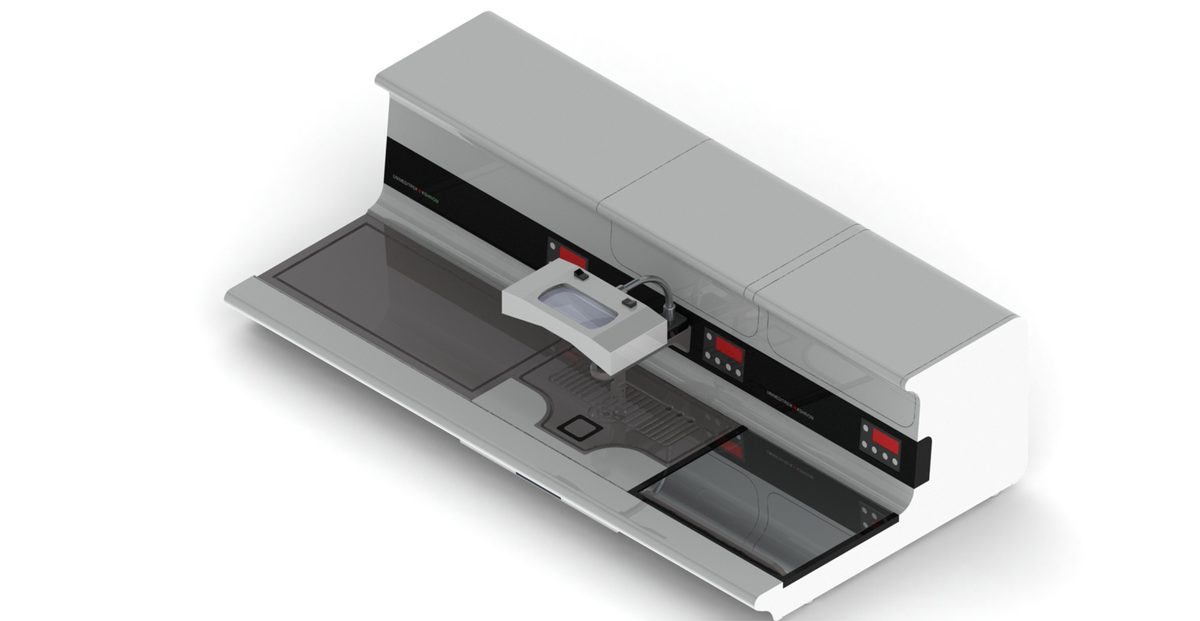
Molten wax now permeates the tissue. This is where vacuum and pressure earn their place — they push wax into dense and fatty specimens that would otherwise stay hollow in the middle. It's the difference between a block that ribbons cleanly and one that crumbles on the first face. Afterwards the specimen is set into a block at the embedding station.
Manual or automatic?
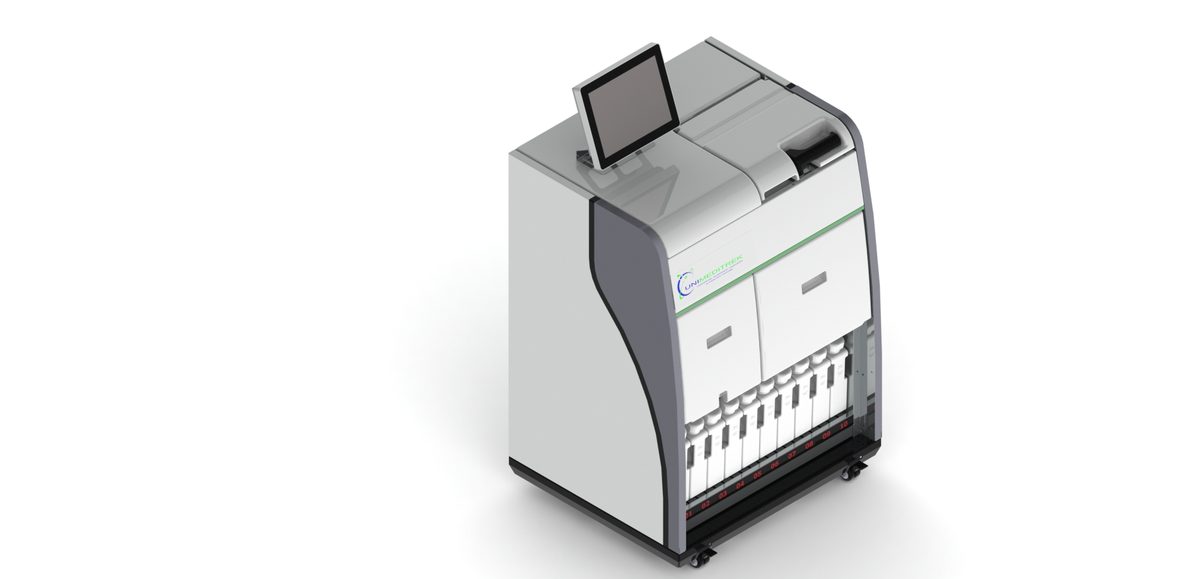
Manual processing — lifting baskets from pot to pot by hand — still exists, but it's hard to keep consistent, slow, and it puts staff nose-to-fumes for hours. An automatic processor runs the same specimens through a set schedule with controlled times, temperatures and vacuum, and then simply repeats it, run after run. If you want the money side of that argument, we've laid it out in total cost of ownership.
Schedules
Most labs live on two: a long overnight run for the routine mix, and a short rapid run for small urgent biopsies. Matching the schedule to the specimen is one of the highest-leverage habits in the lab — more in protocols and schedules and how long it takes.
Reagents drift — mind them
Reagents don't fail dramatically; they fade. Alcohols carry over water, clearing agents tire, and one morning the blocks just aren't infiltrating like they used to. A disciplined rotation and a change log keep that slow drift from becoming a re-processing pile — and it's expected in an accredited lab anyway.
When it goes wrong
Soft blocks, brittle over-processed tissue, patchy infiltration — almost always reagent quality, the wrong schedule, or fixation that was never adequate to begin with. The artefacts guide walks through causes and fixes.
Choosing a processor
Buy for your busiest day, not your average one. Prefer real reagent management and vacuum/pressure infiltration, and — this one's non-negotiable in India — insist on a built-in UPS that holds the run through a power cut. See the automatic tissue processor page, or tell us your workload and we'll suggest a configuration.
FAQs
What are the main steps of tissue processing?
Fixation, dehydration through graded alcohols, clearing with a solvent, and paraffin infiltration. The processed tissue is then embedded into a paraffin block for sectioning.
Why is paraffin infiltration done under vacuum?
Vacuum and pressure help molten wax penetrate dense and fatty tissue completely, producing firm, evenly infiltrated blocks that section cleanly with fewer artefacts.
How is automatic tissue processing better than manual?
It follows a programmed schedule with controlled time, temperature and vacuum/pressure, giving reproducible results, less hands-on time and lower fume exposure than hand-transferring baskets between pots.
Prepared and reviewed by the Unimeditrek technical team based on laboratory practice, installation and service experience. This document explains histopathology workflow, laboratory practice and equipment based on the questions we hear from hospitals, medical colleges and diagnostic laboratories — vendor-neutral where it explains the science and practical where it explains equipment.
Prepared by Unimeditrek Pvt. Ltd.. For product specifications and quotations, contact our team.