Home › Knowledge › Tissue Processing Protocols: Schedules for Biopsies, Routine and Large Specimens
Knowledge articleTissue Processing Protocols: Schedules for Biopsies, Routine and Large Specimens
How to match the processing schedule to the specimen — and validate it.
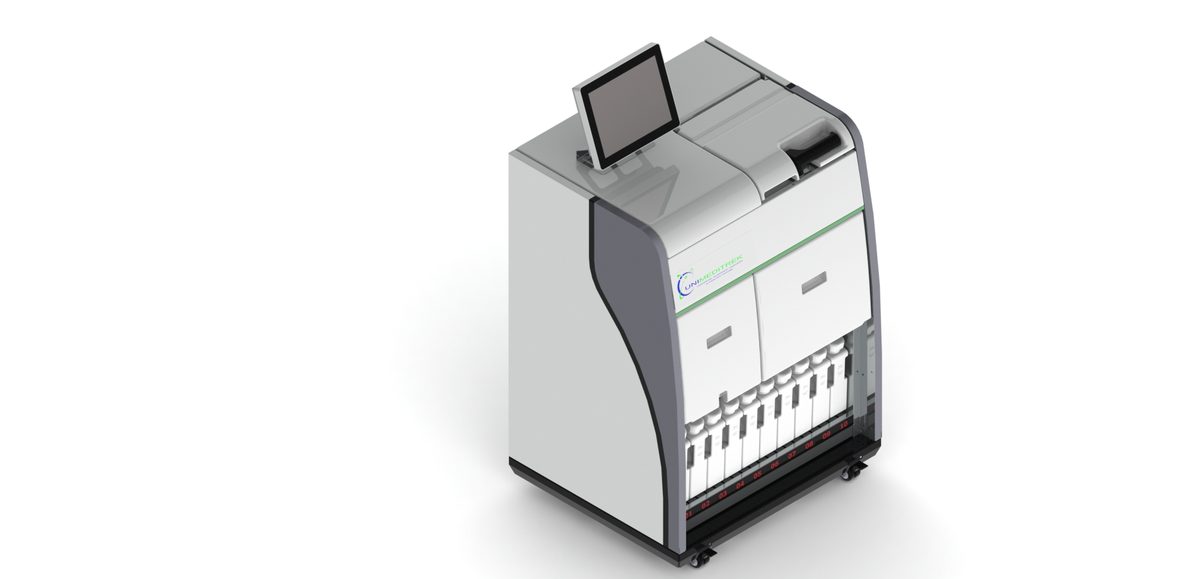
A processing protocol is nothing exotic — it's just the ordered list of steps, times, temperatures and vacuum settings your processor follows. What separates a good lab from a struggling one is that the good lab runs more than one, matched to the specimen. Here are sensible starting points and, just as importantly, how to prove a schedule before you trust it on your tissue processor.
Start with size
If you change one thing, change this: stop running every specimen on the same schedule. A programme that's perfect for a colon resection will bake a tiny biopsy hard, and a quick biopsy run leaves a fatty specimen raw in the middle. Sort your workload into a few classes and give each its own schedule.
Small biopsies
Needle cores, skin punches, endoscopic bits — small and thin, so reagents race through them. A short schedule with brief steps protects delicate tissue from over-hardening and keeps same-day or next-morning reporting on the table.
The routine overnight
For the general daily mix, a long overnight run — graded alcohols, proper clearing, vacuum-assisted infiltration — gives dependable, sectionable blocks with a comfortable margin for the odd awkward specimen in the tray.
Large and fatty specimens
Dense and fatty tissue needs longer in dehydration and clearing, and it's where vacuum and pressure really pay off. Thin the tissue at grossing where you can; on the processor, lengthen the steps that matter rather than padding the whole cycle.
Prove it before you rely on it
Don't adopt a schedule for reporting on faith. Run representative specimens through it, embed and section them, and look hard at the result: are the blocks firm, fully infiltrated, cutting clean? Keep a reagent-rotation and change log so the schedule that passed today still passes next month — accreditation expects it, and so should you. For context, see the complete guide and how long processing takes.
FAQs
Should a lab use more than one tissue processing protocol?
Yes. Most labs run at least two — a short schedule for small biopsies and a long overnight schedule for routine specimens — because one schedule cannot suit both tiny and large specimens.
How do you validate a tissue processing schedule?
Run representative specimens through it, embed and section them, and confirm the blocks are firm, fully infiltrated and section cleanly before using the schedule for diagnostic reporting.
Prepared and reviewed by the Unimeditrek technical team based on laboratory practice, installation and service experience. This document explains histopathology workflow, laboratory practice and equipment based on the questions we hear from hospitals, medical colleges and diagnostic laboratories — vendor-neutral where it explains the science and practical where it explains equipment.
Prepared by Unimeditrek Pvt. Ltd.. For product specifications and quotations, contact our team.