Home › Products › Tissue Processing Workflow
WorkflowTissue Processing Workflow
Tissue processing turns a fixed specimen into a paraffin-infiltrated block ready for embedding and sectioning. Done well, it is the foundation of every clean slide. Here is the workflow and the equipment that automates it.

The steps
- Fixation — preserve tissue (usually 10% NBF)
- Dehydration — graded alcohols remove water
- Clearing — xylene/substitute removes alcohol
- Infiltration — molten paraffin permeates the tissue
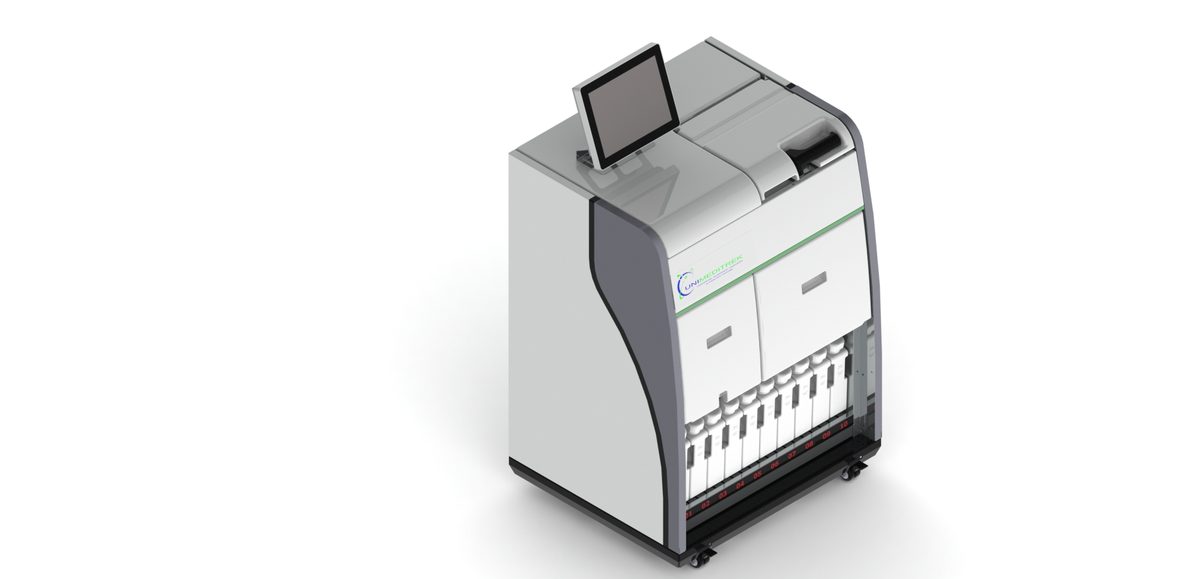
An automatic tissue processor runs these steps on a programmed, repeatable cycle with reagent management — removing operator variability and protecting tissue quality. Next stage: embedding.
Practical notes from Indian histopathology labs
- In smaller diagnostic labs the daily cassette load is often modest but turnaround pressure is high — reliability and quick, repeatable runs usually matter more than maximum capacity.
- Medical colleges and teaching hospitals see batch variation and repeated use by students and rotating technicians, so robustness, simple controls and easy servicing are as important as headline specifications.
- Under-processing from spent or wrongly-rotated reagents is one of the most common causes of poor blocks — a reagent-management schedule protects slide quality more than any single feature.
- For tender and institutional purchases, service response time and consumable/spare availability often matter as much as the specification — weigh them in the evaluation, not just the price.
- In hot and humid regions, plan reagent storage conditions and electrical protection (a stabiliser or UPS on the processor and stainer) so runs are not interrupted.
General observations from installation, service and training across Indian laboratories. Validate against your own workflow and quality system.
Related equipment
Common questions
What are the stages of tissue processing?
Fixation, dehydration, clearing and paraffin infiltration — automated by a tissue processor so every batch is consistent.
What is the importance of temperature control in the tissue processing workflow?
Temperature control is crucial in the tissue processing workflow as it affects the quality of the tissue infiltration and the overall preservation of cellular structures. Maintaining optimal temperatures during dehydration, clearing, and paraffin infiltration ensures that the tissues are adequately processed, leading to better histological results. Without proper temperature regulation, there is a risk of tissue damage, which can compromise diagnostic accuracy.
What are the common challenges faced during the tissue processing workflow?
Common challenges in the tissue processing workflow include inadequate dehydration, improper paraffin infiltration, and contamination risks. Addressing these issues is crucial for ensuring high-quality tissue samples and reliable histopathological results.
What safety measures should be considered during the tissue processing workflow?
When conducting a tissue processing workflow, it is crucial to implement safety measures such as using personal protective equipment (PPE), ensuring proper ventilation, and handling chemicals responsibly. Regular training for lab personnel on safety protocols can also minimize risks associated with hazardous substances used in the process.
What types of tissue processors are best suited for high-throughput laboratories?
High-throughput laboratories typically benefit from automated tissue processors that can handle large volumes of samples efficiently. Models with advanced features like programmable cycles, rapid infiltration, and user-friendly interfaces are ideal for optimizing workflow and reducing turnaround times.
What is the role of automation in the tissue processing workflow?
Automation in the tissue processing workflow enhances efficiency by reducing manual handling, minimizing errors, and standardizing results. Automated systems can manage temperature, timing, and reagent delivery, ensuring consistent quality in tissue preparation. This is crucial for laboratories aiming to improve throughput and maintain high standards in histopathological analysis.
What is the recommended duration for each stage of the tissue processing workflow?
The recommended duration for each stage of the tissue processing workflow can vary based on the type of tissue and the specific protocol being followed. Generally, dehydration may take 1-2 hours, clearing can take 30 minutes to 1 hour, and paraffin infiltration typically lasts between 2-4 hours. It's essential to follow established protocols to ensure optimal results.
How do I choose the right tissue processor for my laboratory's specific needs?
Selecting the right tissue processor involves assessing your laboratory's workflow, the volume of samples processed daily, and the types of tissues you handle. Consider factors such as automation features, capacity, and compatibility with existing equipment to ensure efficiency and quality in your tissue processing workflow.
How can I optimize the tissue processing workflow to reduce turnaround time for histopathology results?
To optimize the tissue processing workflow and reduce turnaround time, consider implementing automation for key stages such as dehydration and paraffin infiltration. Additionally, regularly calibrating equipment and ensuring proper reagent management can enhance efficiency. Training lab personnel on best practices can further streamline the process and minimize delays.
What is the significance of using high-quality reagents in the tissue processing workflow?
Using high-quality reagents in the tissue processing workflow is crucial as they directly impact the quality of the final tissue sections. Poor-quality reagents can lead to inadequate dehydration, clearing, or infiltration, resulting in suboptimal staining and diagnostic outcomes. Investing in reliable reagents ensures consistent results and enhances the overall efficiency of the histopathology process.
What are the best practices for maintaining tissue processing equipment?
Regular maintenance of tissue processing equipment is crucial to ensure optimal performance and longevity. Best practices include routine cleaning, calibration, and replacing worn-out parts as per the manufacturer's recommendations. Additionally, maintaining a log of maintenance activities can help track the equipment's condition and prevent unexpected failures.
Author: Unimeditrek Technical Content Team · Reviewed by: Unimeditrek Biomedical Engineering & Histopathology Applications team · Last reviewed: July 2026.
Educational and procurement guidance for histopathology laboratories. Configurations and specifications are confirmed against your requirement at the time of quotation; regulatory certificates and registration documents are issued on request per product and destination.
Get a configuration-based quote
Tell us your requirement and we’ll send a configuration-specific quotation — usually within one working day.