
Orientation decides the diagnosis
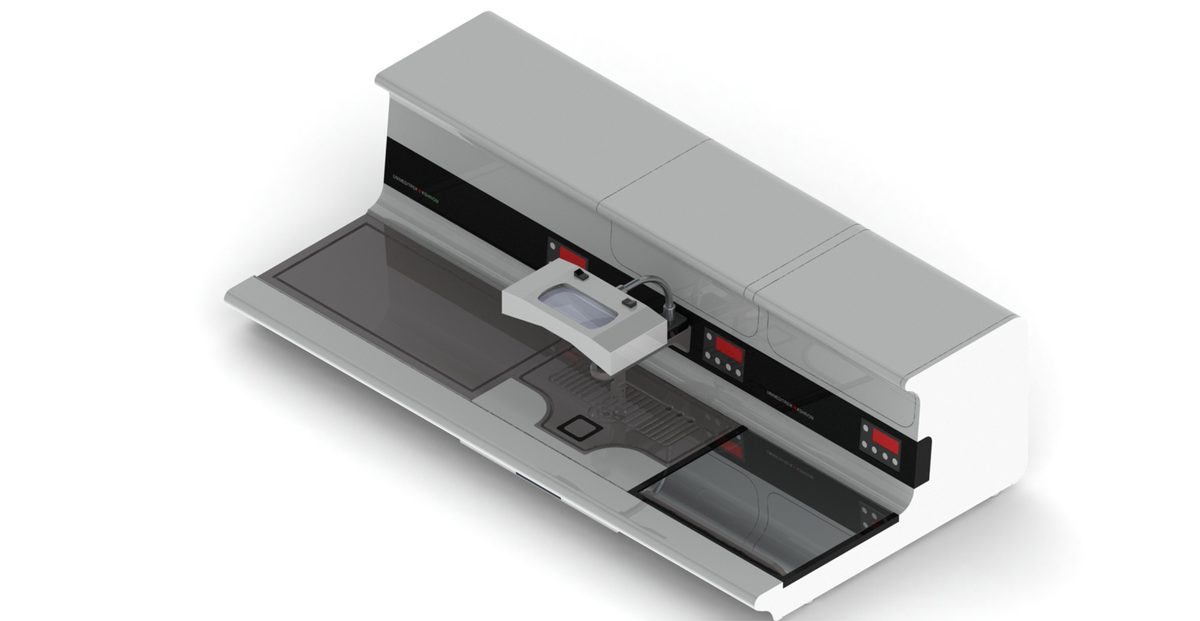
On a tissue embedding station, the heated reservoir keeps paraffin ready, the cold plate sets blocks firm for chatter-free microtomy, and a roomy work surface makes precise orientation easy. Next: sectioning, then the floatation bath.
Practical notes from Indian histopathology labs
- In smaller diagnostic labs the daily cassette load is often modest but turnaround pressure is high — reliability and quick, repeatable runs usually matter more than maximum capacity.
- Medical colleges and teaching hospitals see batch variation and repeated use by students and rotating technicians, so robustness, simple controls and easy servicing are as important as headline specifications.
- Block orientation and cold-plate discipline at embedding set the ceiling for sectioning quality downstream — good ergonomics at this bench pays back in fewer recuts.
- For tender and institutional purchases, service response time and consumable/spare availability often matter as much as the specification — weigh them in the evaluation, not just the price.
- In hot and humid regions, plan reagent storage conditions and electrical protection (a stabiliser or UPS on the processor and stainer) so runs are not interrupted.
General observations from installation, service and training across Indian laboratories. Validate against your own workflow and quality system.
Related equipment
Common questions
Why is orientation important in embedding?
Incorrect orientation can hide margins or laterality. A good embedding station makes precise, repeatable orientation easy and sets firm blocks for clean sections.
What are the common challenges faced during the paraffin embedding workflow?
Common challenges in the paraffin embedding workflow include inadequate tissue infiltration, improper orientation of specimens, and issues with paraffin temperature control. Addressing these challenges is crucial to ensure optimal tissue preservation and accurate histological analysis.
What are the best practices for maintaining a tissue embedding station?
To ensure optimal performance of a tissue embedding station, regularly clean the work area, check the temperature settings, and calibrate the equipment as needed. Additionally, using high-quality paraffin wax and ensuring proper storage conditions can prevent issues such as block brittleness or poor sectioning. Following these practices can help maintain the integrity of the embedding process and improve the quality of histopathological samples.
What are the key factors to consider when choosing a paraffin embedding center for a histopathology lab?
When selecting a paraffin embedding center, consider factors such as the volume of samples processed, the equipment's temperature control capabilities, and ease of use. Additionally, evaluate the maintenance requirements and available support services to ensure optimal performance and longevity of the equipment.
What types of paraffin wax are recommended for optimal embedding results in histopathology?
For optimal embedding results in histopathology, it is recommended to use high-quality paraffin wax that has a melting point between 56°C and 60°C. Additionally, using paraffin with low viscosity can enhance tissue infiltration, ensuring better preservation of cellular details and morphology.
What is the ideal temperature for paraffin wax during the embedding process?
The ideal temperature for paraffin wax during the embedding process typically ranges between 55°C to 60°C. Maintaining this temperature ensures that the wax adequately infiltrates the tissue, providing optimal support and preserving cellular details for accurate histopathological examination.
What safety precautions should be taken during the paraffin embedding process?
During the paraffin embedding process, it is essential to use personal protective equipment (PPE) such as gloves, lab coats, and safety goggles to protect against chemical exposure. Additionally, ensure proper ventilation in the embedding area to minimize inhalation of fumes from paraffin wax and solvents. Regularly check equipment for leaks and maintain a clean workspace to prevent accidents.
What is the role of a tissue embedding center in improving histopathology outcomes?
A tissue embedding center plays a crucial role in ensuring that tissue samples are accurately oriented and properly infiltrated with paraffin wax, which is essential for obtaining clear and precise histological sections. By providing a controlled environment and optimal temperature settings, these centers enhance the quality of tissue preservation, ultimately leading to more reliable diagnostic results for pathologists.
How can I ensure consistent quality in my paraffin embedding workflow?
To ensure consistent quality in your paraffin embedding workflow, regularly calibrate your embedding equipment, monitor the temperature of the paraffin wax, and maintain a clean working environment. Additionally, implementing standard operating procedures (SOPs) for embedding techniques can help minimize variability and enhance the reproducibility of results.
What maintenance is required for a paraffin embedding station to ensure optimal performance?
Regular maintenance of a paraffin embedding station includes cleaning the embedding molds and ensuring that the heating elements are functioning correctly. Additionally, checking for any blockages in the paraffin dispensing system and calibrating temperature settings are essential for consistent results. Maintaining your equipment not only prolongs its lifespan but also ensures high-quality tissue samples for analysis.
What are the key differences between manual and automated paraffin embedding workflows?
Manual paraffin embedding workflows require skilled technicians to position and embed tissue samples, while automated systems streamline the process, reducing human error and increasing throughput. Automated systems can also provide consistent temperature control and embedding times, which is crucial for maintaining sample integrity. Understanding these differences can help labs choose the right approach based on their volume and quality requirements.
Author: Unimeditrek Technical Content Team · Reviewed by: Unimeditrek Biomedical Engineering & Histopathology Applications team · Last reviewed: July 2026.
Educational and procurement guidance for histopathology laboratories. Configurations and specifications are confirmed against your requirement at the time of quotation; regulatory certificates and registration documents are issued on request per product and destination.
Get a configuration-based quote
Tell us your requirement and we’ll send a configuration-specific quotation — usually within one working day.