
Cut, float, dry
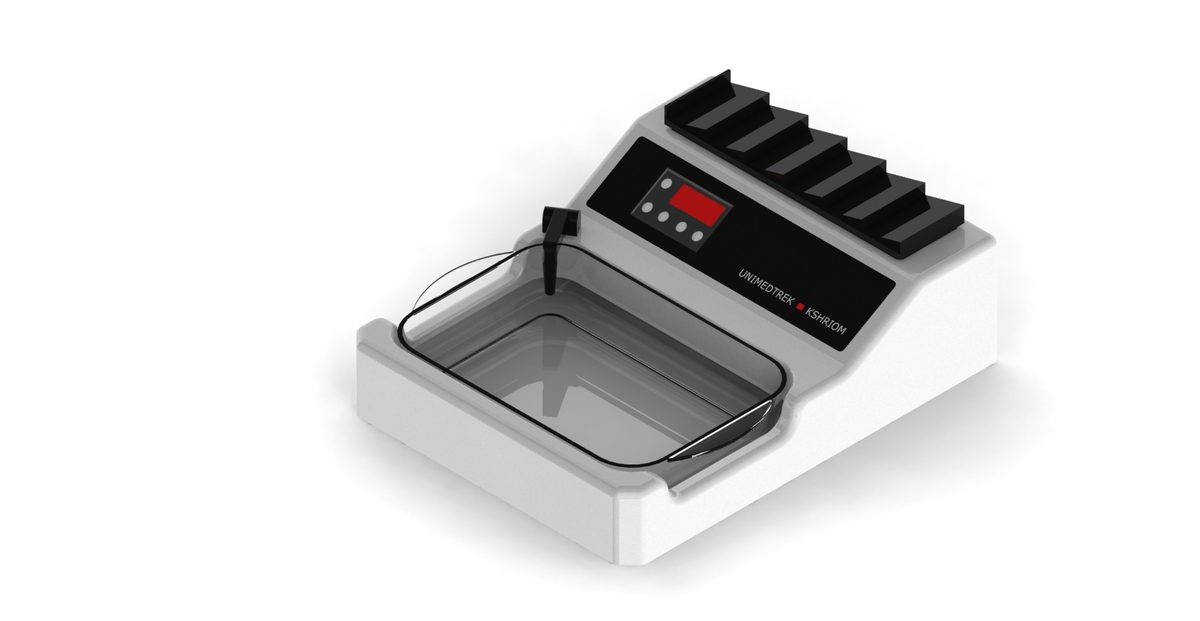
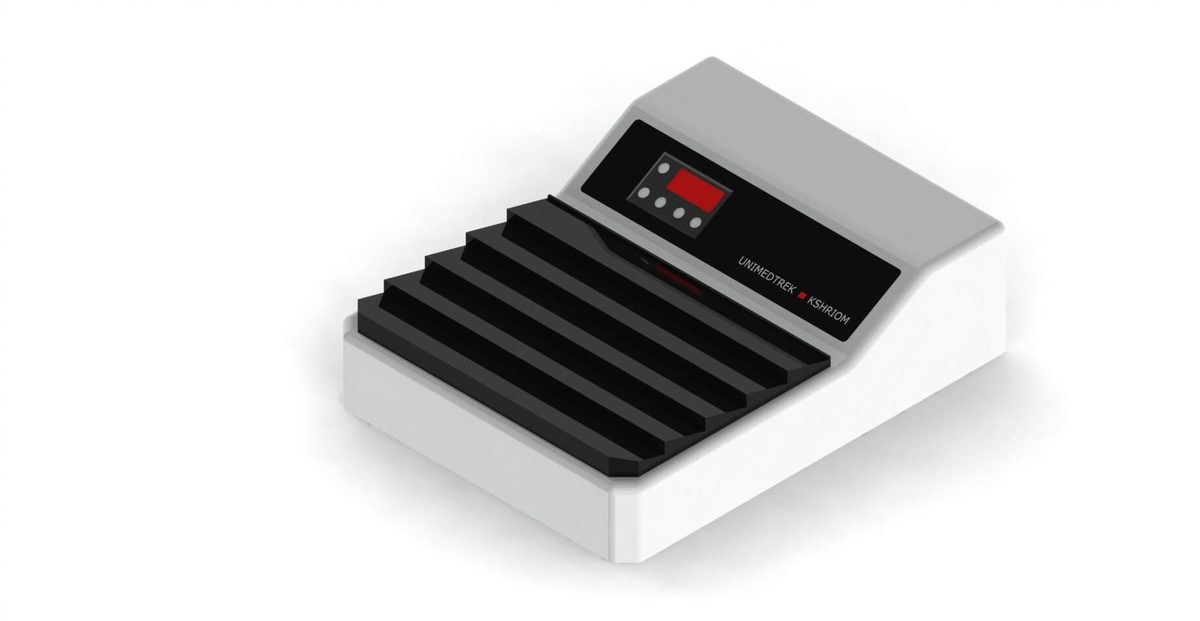
Sections are cut on a rotary microtome, floated flat on a digital tissue floatation bath held just below the paraffin melting point, picked up on a slide, then dried and adhered on a slide warming table before staining — preventing folds, wash-off and float-off.
Practical notes from Indian histopathology labs
- In smaller diagnostic labs the daily cassette load is often modest but turnaround pressure is high — reliability and quick, repeatable runs usually matter more than maximum capacity.
- Medical colleges and teaching hospitals see batch variation and repeated use by students and rotating technicians, so robustness, simple controls and easy servicing are as important as headline specifications.
- For tender and institutional purchases, service response time and consumable/spare availability often matter as much as the specification — weigh them in the evaluation, not just the price.
- In hot and humid regions, plan reagent storage conditions and electrical protection (a stabiliser or UPS on the processor and stainer) so runs are not interrupted.
General observations from installation, service and training across Indian laboratories. Validate against your own workflow and quality system.
Common questions
What is the floatation bath used for in microtomy?
It holds water at a precise temperature so paraffin ribbons flatten and can be picked up wrinkle-free onto slides.
What factors should I consider when choosing a slide warming table for microtomy?
When selecting a slide warming table for microtomy, consider the temperature range, size, and uniformity of heat distribution. A good warming table should maintain a stable temperature to prevent tissue distortion and ensure optimal adhesion of sections to slides. Additionally, features like adjustable height and easy-to-clean surfaces can enhance usability in a busy lab environment.
How do I maintain my microtomy workflow equipment for optimal performance?
Regular maintenance of microtomy workflow equipment, including cleaning the tissue floatation bath and slide warming table, is crucial for ensuring precision and longevity. It's important to follow the manufacturer's guidelines for maintenance schedules and use appropriate cleaning solutions to avoid damage. This not only enhances the quality of sectioning but also minimizes downtime due to equipment failure.
What is the importance of temperature control in a tissue floatation bath during microtomy?
Temperature control in a tissue floatation bath is crucial for achieving optimal sectioning results. Proper temperature ensures that paraffin sections maintain their integrity and do not wrinkle, which is essential for accurate microscopic examination. Consistent temperature settings can significantly enhance the quality of the sections produced, leading to better diagnostic outcomes.
What are the best practices for loading paraffin blocks onto the microtome?
To ensure optimal cutting performance, always check that the paraffin blocks are properly cooled and free of any debris before loading them onto the microtome. Additionally, align the block correctly with the blade to achieve uniform sections and minimize the risk of chattering or tearing during the cutting process.
What are the common challenges faced during the sectioning of paraffin blocks in microtomy?
Common challenges in sectioning paraffin blocks include uneven cutting, block crumbling, and difficulties in achieving consistent thickness. These issues can arise from improper block preparation, inadequate blade sharpness, or incorrect microtome settings. Understanding these challenges can help lab technicians troubleshoot and improve their microtomy workflow efficiency.
What is the recommended thickness for sections cut from paraffin blocks during microtomy?
The recommended thickness for sections cut from paraffin blocks during microtomy typically ranges from 4 to 6 micrometers. This thickness ensures optimal staining and visualization of tissue structures under a microscope, allowing for accurate diagnosis and analysis.
What are the advantages of using automated microtomy workflow equipment compared to manual methods?
Automated microtomy workflow equipment enhances consistency and precision in sectioning paraffin blocks, reducing variability and improving overall efficiency. It minimizes the physical strain on technicians and allows for higher throughput, making it ideal for busy histopathology labs.
What safety precautions should be taken when using microtomy workflow equipment?
When using microtomy workflow equipment, it is essential to wear appropriate personal protective equipment (PPE) such as gloves, lab coats, and safety goggles. Additionally, ensure that the microtome is properly maintained and that blades are handled with care to prevent accidents. Regular training on equipment use and safety protocols can also minimize risks in the laboratory environment.
How does humidity affect the quality of sections cut from paraffin blocks in microtomy?
Humidity plays a crucial role in the quality of sections cut from paraffin blocks. High humidity can cause the paraffin to become too soft, leading to distorted sections, while low humidity may result in brittle sections that are difficult to handle. Maintaining optimal humidity levels in the lab environment is essential for achieving high-quality, wrinkle-free sections.
What are the key differences between rotary and sliding microtomes in microtomy workflows?
Rotary microtomes are designed for cutting thin sections with a circular blade motion, providing consistent thickness and are ideal for paraffin-embedded samples. Sliding microtomes, on the other hand, use a linear motion and are often used for larger tissue samples or harder materials. Understanding these differences helps in selecting the right equipment based on the specific needs of your histopathology lab.
Author: Unimeditrek Technical Content Team · Reviewed by: Unimeditrek Biomedical Engineering & Histopathology Applications team · Last reviewed: July 2026.
Educational and procurement guidance for histopathology laboratories. Configurations and specifications are confirmed against your requirement at the time of quotation; regulatory certificates and registration documents are issued on request per product and destination.
Get a configuration-based quote
Tell us your requirement and we’ll send a configuration-specific quotation — usually within one working day.