
A robust, economical line
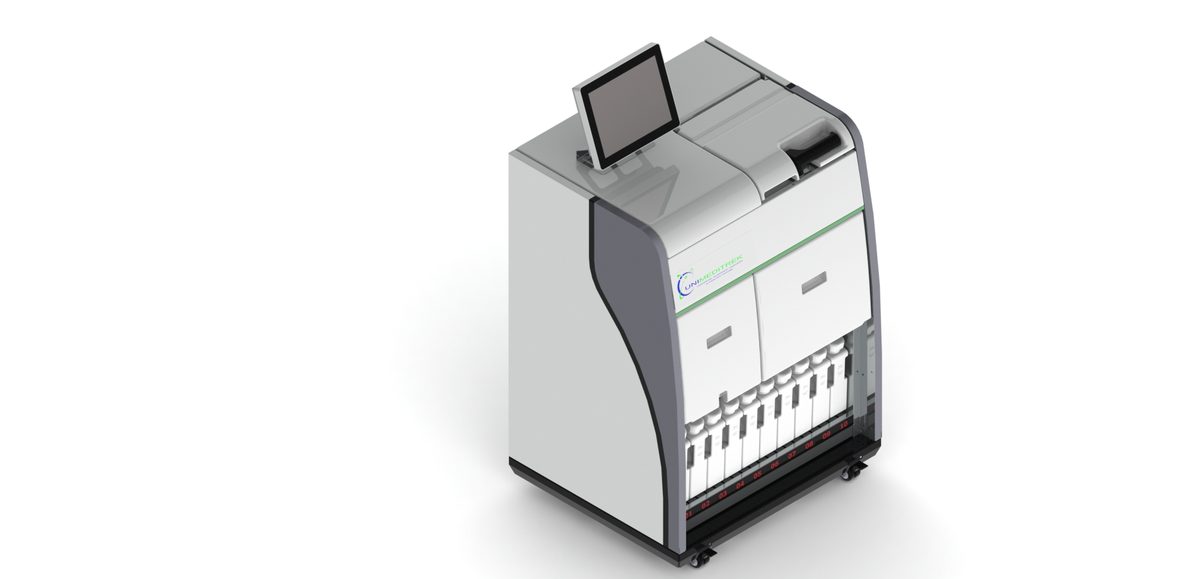
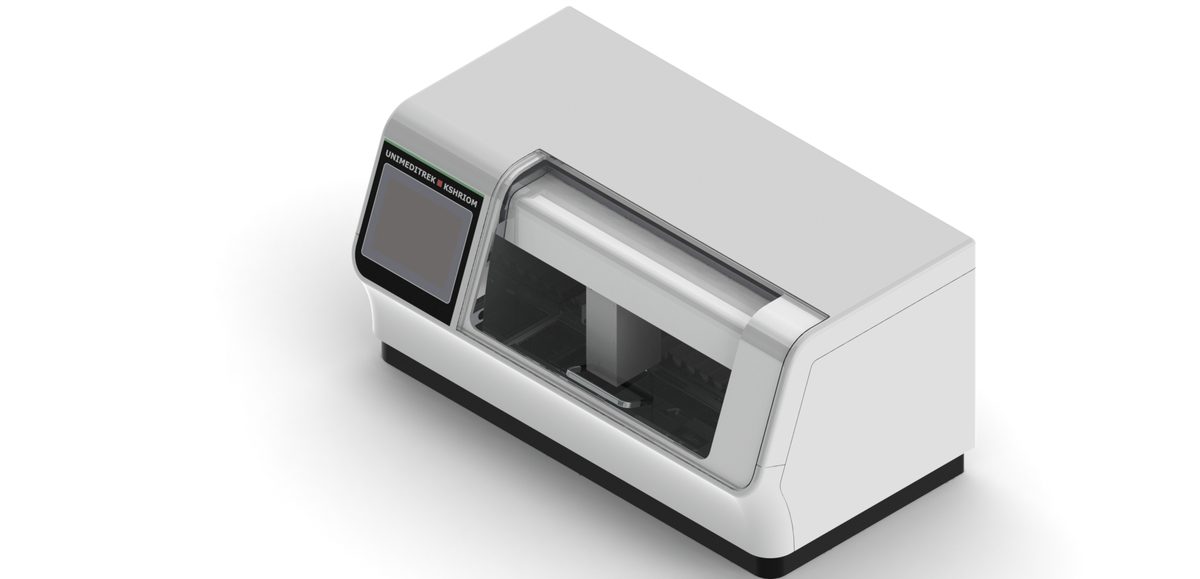
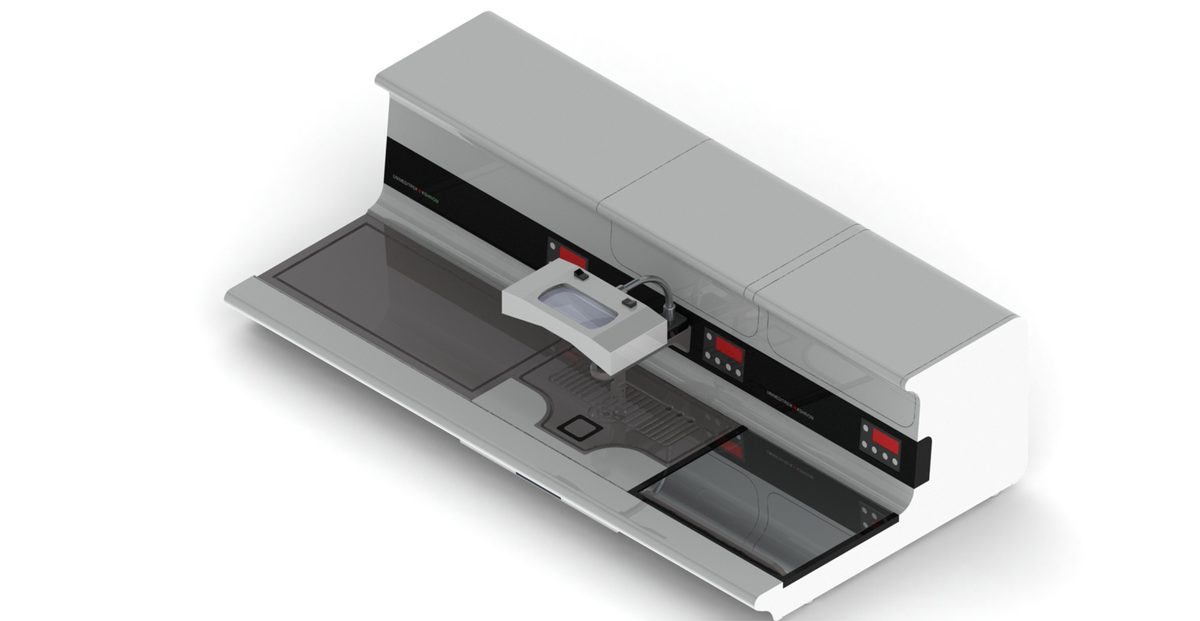
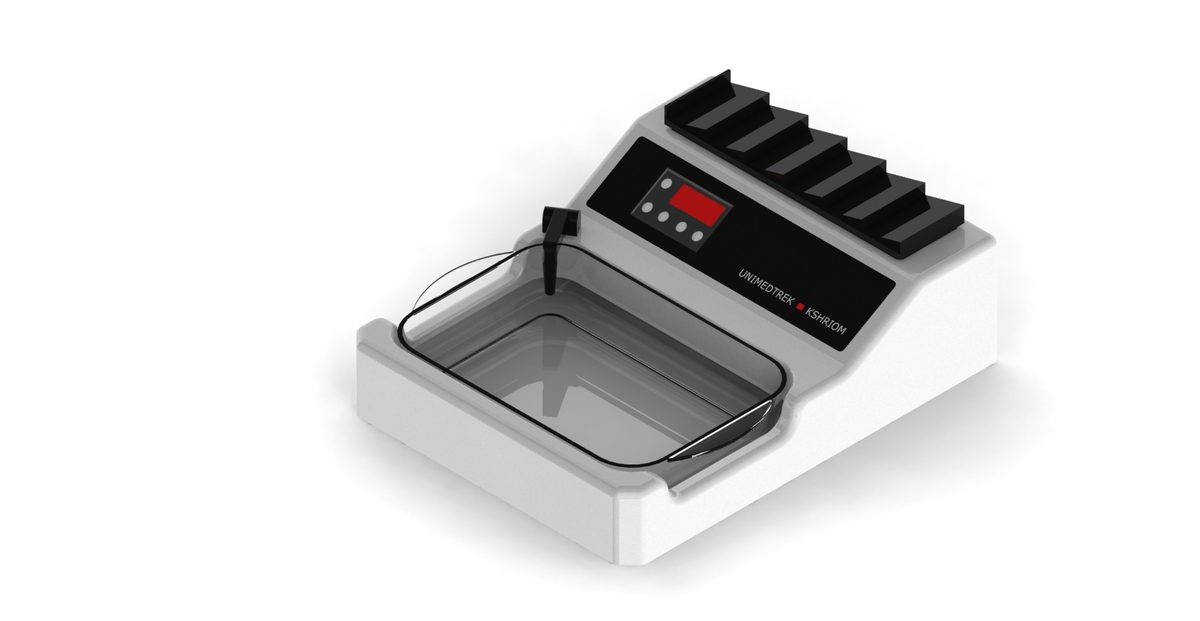
For steady district-hospital workloads, a dependable rotary/carousel tissue processor, embedding station, floatation bath, warming table and staining machine deliver consistent results with predictable running costs and simple maintenance.
Service reach & AMC
Pan-India service, genuine spares and AMC/CMC keep uptime high even at remote sites. Make-in-India sourcing supports government procurement preferences.
Practical notes from Indian histopathology labs
- In smaller diagnostic labs the daily cassette load is often modest but turnaround pressure is high — reliability and quick, repeatable runs usually matter more than maximum capacity.
- Medical colleges and teaching hospitals see batch variation and repeated use by students and rotating technicians, so robustness, simple controls and easy servicing are as important as headline specifications.
- For tender and institutional purchases, service response time and consumable/spare availability often matter as much as the specification — weigh them in the evaluation, not just the price.
- In hot and humid regions, plan reagent storage conditions and electrical protection (a stabiliser or UPS on the processor and stainer) so runs are not interrupted.
General observations from installation, service and training across Indian laboratories. Validate against your own workflow and quality system.
Common questions
What pathology equipment does a district hospital need?
A robust histopathology line — tissue processor, embedding station, microtome, floatation bath, warming table and staining machine — chosen for reliability, low running cost and nationwide service.
What are the maintenance requirements for pathology lab equipment in district hospitals?
Pathology lab equipment in district hospitals typically requires routine calibration, cleaning, and servicing to ensure accurate results and longevity. It's essential to follow the manufacturer's guidelines for maintenance schedules and to train staff on proper usage to minimize downtime and repair costs.
What is the average lifespan of histopathology lab equipment used in district hospitals?
The average lifespan of histopathology lab equipment in district hospitals typically ranges from 5 to 10 years, depending on usage, maintenance, and the specific type of equipment. Regular servicing and adherence to operational guidelines can extend this lifespan, ensuring reliable performance over time.
What are the key factors to consider when selecting histopathology lab equipment for district hospitals?
When selecting histopathology lab equipment for district hospitals, consider factors such as the equipment's reliability, ease of maintenance, cost-effectiveness, and compatibility with existing laboratory workflows. Additionally, assess the availability of local service support and training for lab personnel to ensure optimal operation and longevity of the equipment.
What are the best practices for ensuring the accuracy of histopathology results in district hospitals?
To ensure the accuracy of histopathology results in district hospitals, it is essential to implement standardized protocols for sample handling, processing, and staining. Regular calibration of equipment and staff training on the latest techniques also play a critical role in maintaining high-quality results. Additionally, establishing a quality control system can help identify and rectify potential issues promptly.
What are the cost-effective histopathology lab equipment options for government hospitals in India?
Government hospitals often require histopathology lab equipment that balances affordability with reliability. Options such as semi-automated tissue processors and basic microtomes can provide essential functionality without excessive costs, making them suitable for budget-conscious facilities.
What types of histopathology lab equipment are essential for small district hospitals?
Small district hospitals typically require essential histopathology lab equipment such as microtomes, tissue processors, and staining systems. These tools enable efficient sample preparation and analysis, ensuring accurate diagnostic results. It's crucial to select equipment that balances performance with budget constraints, as small facilities often operate with limited resources.
What are the energy efficiency considerations for pathology lab equipment in district hospitals?
When selecting pathology lab equipment for district hospitals, energy efficiency is crucial as it impacts operational costs and sustainability. Look for devices with energy-saving features and certifications that minimize power consumption while maintaining performance. This is especially important in resource-constrained settings where budget limitations are common.
What are the regulatory compliance standards for histopathology lab equipment in district hospitals in India?
In India, histopathology lab equipment must comply with the standards set by the National Accreditation Board for Testing and Calibration Laboratories (NABL) and the Indian Council of Medical Research (ICMR). These standards ensure that the equipment meets quality, safety, and performance requirements essential for accurate diagnostic results in district hospitals.
What training is required for staff to operate histopathology lab equipment in district hospitals?
Training for staff operating histopathology lab equipment in district hospitals is crucial to ensure accurate results and safety. Typically, training should cover equipment operation, maintenance procedures, and understanding histopathological techniques. Collaborating with equipment manufacturers for on-site training sessions can also enhance staff competency and confidence.
What are the financing options available for purchasing pathology lab equipment in district hospitals?
District hospitals can explore various financing options such as government grants, loans from financial institutions, and leasing arrangements to acquire pathology lab equipment. Understanding these options can help hospitals manage their budgets effectively while ensuring they have the necessary tools for accurate diagnostics.
Author: Unimeditrek Technical Content Team · Reviewed by: Unimeditrek Biomedical Engineering & Histopathology Applications team · Last reviewed: July 2026.
Educational and procurement guidance for histopathology laboratories. Configurations and specifications are confirmed against your requirement at the time of quotation; regulatory certificates and registration documents are issued on request per product and destination.
Get a configuration-based quote
Tell us your requirement and we’ll send a configuration-specific quotation — usually within one working day.