Home › Knowledge › Why Stable Temperature Prevents Folds and Tears
Knowledge articleWhy Stable Temperature Prevents Folds and Tears
Understanding the Importance in Histopathology
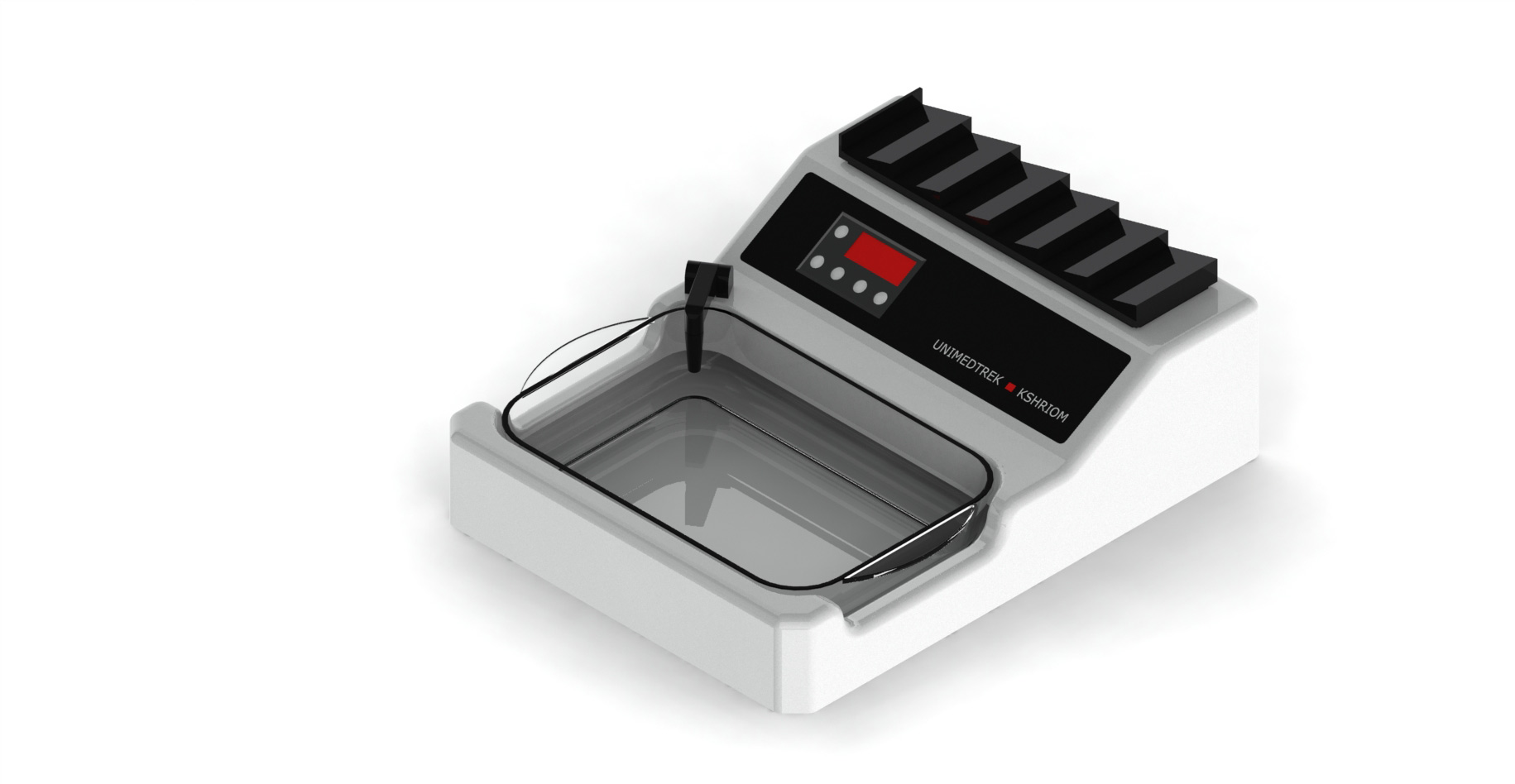
Introduction to Tissue Floatation Baths
Tissue floatation baths are essential tools in histopathology, used primarily for the retrieval and manipulation of tissue sections. These baths maintain a controlled temperature environment that is critical for the proper handling of delicate tissue specimens. When the temperature is stable, it ensures that the histological samples remain intact, preventing folds and tears that could compromise diagnostic accuracy.
The digital tissue floatation bath is designed to provide precise temperature control, which is vital for the optimal performance of histological techniques. By creating a stable environment, these baths allow pathologists and lab technicians to work confidently with their samples, knowing that the integrity of the tissue is maintained throughout the process.
The Role of Temperature in Tissue Handling
Temperature plays a crucial role in the behavior of biological tissues. When tissues are subjected to temperature fluctuations, they can undergo physical changes that may lead to structural damage. For example, if the temperature is too low, the tissue may become rigid and more susceptible to tearing during manipulation. Conversely, excessively high temperatures can cause tissues to become overly soft or even degrade, leading to folds that can obscure cellular details.
In a stable temperature environment, the proteins and cellular structures within the tissue remain in their natural state, allowing for better handling and less risk of damage. This is particularly important when preparing slides for microscopic examination, as any folds or tears can lead to misinterpretation of the results. Ensuring that the temperature is consistent helps maintain the quality of the samples and the reliability of the diagnostic process.
How Stable Temperature Prevents Folds and Tears
The primary reason stable temperature prevents folds and tears in tissue samples is that it minimizes the stress experienced by the tissue during the floatation process. When the temperature is consistent, the physical properties of the tissue remain stable, allowing for smoother manipulation. This is particularly important when using tools such as forceps or brushes, as any sudden changes in temperature can lead to unexpected reactions in the tissue.
Moreover, a stable temperature ensures that the embedding medium, typically paraffin, remains at an optimal consistency. If the temperature fluctuates, the paraffin may become too hard or too soft, making it difficult to retrieve the tissue without causing damage. By using a digital tissue floatation bath that maintains a stable temperature, histopathology labs can significantly reduce the likelihood of folds and tears, ultimately improving the quality of the tissue sections and the accuracy of diagnoses.
Best Practices for Using a Digital Tissue Floatation Bath
To maximize the benefits of a digital tissue floatation bath, it is essential to follow best practices for operation and maintenance. First, regular calibration of the temperature settings is crucial to ensure accuracy. Lab technicians should routinely check the temperature with a reliable thermometer to confirm that the digital readings match the actual conditions within the bath.
Additionally, it is important to allow the tissue sections to float gently on the surface of the water, rather than forcing them into position. This gentle approach minimizes the risk of folds and tears, as the tissue can naturally settle into place without undue stress. Finally, maintaining cleanliness in the bath is vital to avoid contamination and ensure that the temperature remains stable. Regularly changing the water and cleaning the surfaces will help maintain optimal conditions for tissue handling.
Conclusion and Practical Takeaway
In summary, a stable temperature in a digital tissue floatation bath is essential for preventing folds and tears in histological samples. By maintaining a controlled environment, lab technicians can ensure the integrity of the tissues, leading to more accurate diagnoses and better patient outcomes. Implementing best practices for the use of these baths will further enhance their effectiveness and reliability in histopathology labs.
As a practical takeaway, always prioritize temperature stability and gentle handling techniques when working with tissue samples. This approach will not only preserve the quality of your specimens but also enhance the overall efficiency of your histopathology processes.
Further reading
For peer-reviewed depth on histopathology practice and quality, these leading journals are excellent references:
- The Journal of Pathology
- Histopathology (Wiley)
- Modern Pathology (USCAP)
- Archives of Pathology & Laboratory Medicine (CAP)
- American Journal of Clinical Pathology
- Journal of Clinical Pathology (BMJ)
Tissue Floatation Bath — engineered and serviced in India
Unimeditrek manufactures the Tissue Floatation Bath with pan-India installation and service. Explore the full specifications, request a demo, or register to download the brochure — direct from the manufacturer.
View Tissue Floatation Bath & request a quote →FAQs
What is a digital tissue floatation bath?
A digital tissue floatation bath is a laboratory device used to maintain a stable temperature for manipulating tissue sections during histological preparations.
Why is temperature stability important in histopathology?
Temperature stability is crucial in histopathology as it prevents tissue damage, such as folds and tears, ensuring accurate diagnostic results.
How can I maintain my tissue floatation bath effectively?
To maintain your tissue floatation bath, regularly calibrate the temperature, keep it clean, and handle tissue samples gently to avoid damage.
Prepared and reviewed by the Unimeditrek technical team based on laboratory practice, installation and service experience. This document explains histopathology workflow, laboratory practice and equipment based on the questions we hear from hospitals, medical colleges and diagnostic laboratories — vendor-neutral where it explains the science and practical where it explains equipment.
Prepared by Unimeditrek Pvt. Ltd.. For product specifications and quotations, contact our team.