Home › Knowledge › Why Proper Drying Prevents Wash-Off in Staining
Knowledge articleWhy Proper Drying Prevents Wash-Off in Staining
Understanding the Importance of Drying in Histopathology
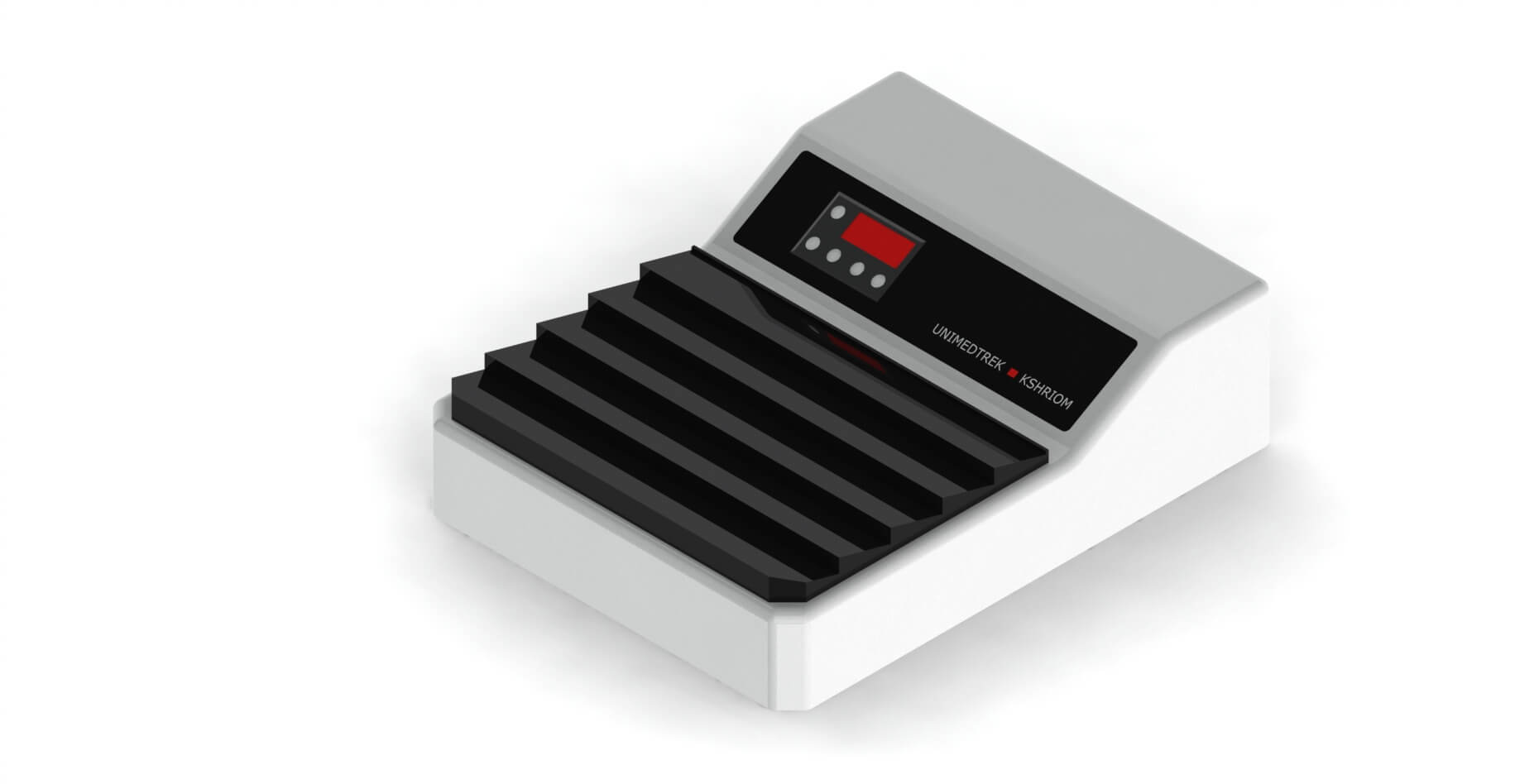 Slide Warming Table — Unimeditrek" style="max-width:100%;border-radius:10px"/>
Introduction to Staining in Histopathology
Staining is a crucial step in histopathology that allows pathologists to visualize cellular structures and identify pathological changes in tissue samples. The accuracy of staining results significantly influences diagnosis and subsequent patient management. However, one of the common challenges faced during the staining process is the wash-off of stains, which can lead to inconclusive results. Understanding the importance of proper drying techniques can help mitigate this issue.
Drying is an essential preparation step that ensures the adherence of tissue sections to glass slides. When tissue sections are not adequately dried, they may retain excess moisture, which can interfere with the staining process. The use of a slide warming table can facilitate uniform drying, thus ensuring optimal staining outcomes.
How Moisture Affects Staining
Moisture is the enemy of effective staining. When tissue sections are wet, stains can wash off easily during the staining process, leading to poor contrast and indistinct cellular details. This is particularly problematic when using water-soluble stains, as these can be easily removed if the tissue has not been properly dried. Moreover, excess moisture can lead to uneven staining, where some areas of the tissue may appear over-stained while others remain unstained.
Inadequate drying can also promote the growth of microorganisms on the slides, which can further compromise the integrity of the samples. This is especially critical in histopathology labs where maintaining the quality and reliability of results is paramount. Therefore, controlling moisture levels through proper drying techniques is essential for achieving high-quality staining results.
The Role of a Slide Warming Table
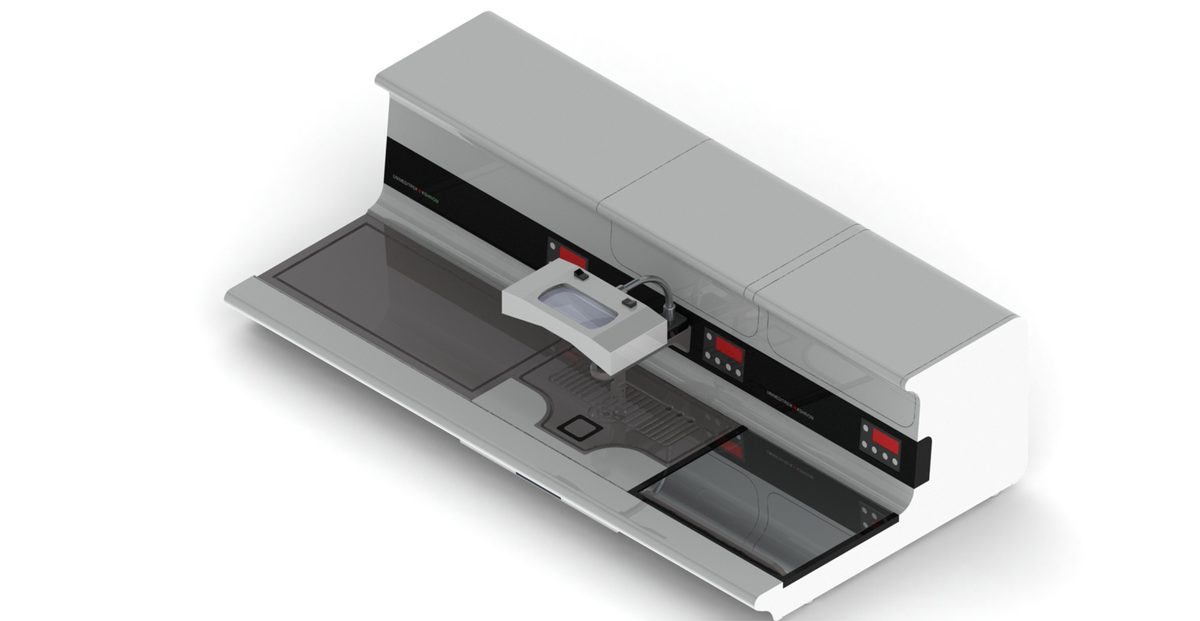
A slide warming table is an invaluable tool in histopathology labs, particularly for the drying of slides. By providing a controlled environment for the drying process, a slide warming table ensures that tissue sections are uniformly dried before staining. This uniformity in drying is crucial as it helps to create a consistent surface for the stains to adhere to, thereby reducing the risk of wash-off.
Additionally, a slide warming table allows for adjustable temperature settings, which can be tailored to the specific requirements of different stains and tissue types. This flexibility is particularly beneficial when working with various histological techniques that may require specific drying conditions. Utilizing a slide warming table can significantly enhance the reliability of staining protocols and improve the overall quality of histopathological assessments.
Best Practices for Drying Slides
To maximize the effectiveness of drying slides before staining, several best practices should be followed. First, ensure that the slides are placed on the warming table at an appropriate temperature that is conducive to drying without damaging the tissue. It is important to monitor the drying process closely to prevent overheating, which can lead to tissue distortion.
Another important practice is to allow adequate drying time. Rushing the drying process can lead to residual moisture, which can compromise staining results. Depending on the type of tissue and the staining protocol, the optimal drying time may vary. Therefore, it is essential to develop a routine that includes sufficient drying time as part of the staining protocol.
Conclusion: The Importance of Proper Drying
In conclusion, proper drying of slides is a critical factor in preventing wash-off during staining in histopathology. By utilizing a slide warming table, histopathology labs can ensure that tissue sections are uniformly dried, thereby enhancing the adherence of stains and improving the quality of staining results. Implementing best practices for drying not only mitigates the risk of wash-off but also contributes to more accurate diagnoses.
As histopathologists and lab technicians, it is our responsibility to prioritize quality at every step of the staining process. By understanding and implementing proper drying techniques, we can significantly improve the reliability of our histopathological assessments and ultimately contribute to better patient outcomes.
Practical Takeaway
Utilizing a slide warming table for the drying of slides can greatly enhance the staining process by ensuring uniform drying and reducing the risk of wash-off. Always monitor temperature settings and allow adequate drying time to achieve optimal results.
FAQs
What is the main benefit of using a slide warming table?
The main benefit of using a slide warming table is that it provides a controlled environment for uniformly drying slides, which enhances the adherence of stains and improves staining quality.
How can I prevent wash-off during the staining process?
To prevent wash-off during staining, ensure that slides are properly dried using a slide warming table, monitor temperature settings, and allow sufficient drying time before applying stains.
What are some common mistakes in drying slides?
Common mistakes include not allowing enough drying time, using inappropriate temperatures, and rushing the process, all of which can lead to residual moisture and compromised staining results.
Prepared and reviewed by the Unimeditrek technical team based on laboratory practice, installation and service experience. This document explains histopathology workflow, laboratory practice and equipment based on the questions we hear from hospitals, medical colleges and diagnostic laboratories — vendor-neutral where it explains the science and practical where it explains equipment.
Prepared by Unimeditrek Pvt. Ltd.. For product specifications and quotations, contact our team.