Home › Knowledge › Who Makes Budget-Friendly Vacuum Tissue Processors in India?
Knowledge articleWho Makes Budget-Friendly Vacuum Tissue Processors in India?
Several manufacturers sell vacuum tissue processors in India at different price points, including global brands like Leica, Thermo Fisher/Epredia, Sakura and Milestone, alongside Indian manufacturers such as Unimeditrek and a handful of other domestic players. For labs with tighter capital budgets and a need for fast on-site service, Indian-made processors are generally the more cost-effective route, while imported units are often chosen by larger NABL/accredited labs that prioritise established global brand history. The right choice depends less on brand name and more on your sample volume, reagent-handling needs, and how quickly a technician can reach your lab if something breaks.
How to Choose a Vacuum Tissue Processor
Before comparing brands, define your actual requirements. Key criteria to evaluate:
- Vacuum and pressure cycling: Confirm the unit genuinely applies vacuum/pressure during infiltration steps (not just agitation), as this affects processing quality for fatty or dense tissue.
- Retort capacity and cassette load: Match the basket/cassette capacity to your daily specimen volume; buying oversized capacity you don't need inflates cost without benefit.
- Reagent management: Check how many reagent stations are available, whether reagent levels are monitored, and how easy it is to drain/clean/change reagents and dispose of xylene or substitute solvents safely.
- Fume extraction and safety: Look for proper exhaust/carbon filtration, spill containment, and safety interlocks, since formalin and xylene exposure is a real occupational-health concern in Indian labs.
- Service network and spares availability: A cheaper machine with no local technician or spare parts can cost more in downtime than a slightly pricier one with quick regional support.
- AMC/CMC terms: Ask what is covered (preventive visits, breakdown calls, parts) and the response-time commitment in writing, not just verbally.
- Power and infrastructure fit: Verify voltage stability requirements, space, and ventilation point locations against your lab's actual setup before purchase.
- Validation/IQ-OQ support: For NABL or accreditation purposes, ask whether the vendor provides installation and operational qualification documentation.
Vacuum Tissue Processor Options Available in India
Global brands with a presence in India include Leica Biosystems, Thermo Fisher Scientific/Epredia, Sakura Finetek, and Milestone Medical. These companies typically offer well-documented vacuum/pressure processing technology, established QA history, and service through Indian distributors or regional offices. They are frequently the choice of larger hospital labs, referral diagnostic chains, and teaching institutions where budget is less constrained and long global track record matters for procurement committees. Import duties, longer spare-parts lead times from overseas, and distributor-dependent service response are the common trade-offs reported by buyers.
On the Indian manufacturing side, several domestic companies produce vacuum tissue processors built for local lab conditions — accounting for voltage fluctuations, smaller footprint requirements, and price sensitivity common in tier 2/3 city labs and mid-sized pathology setups. Indian-made units are usually priced more accessibly than imported equivalents, and because the manufacturer is based in India, technicians can often reach a lab faster for installation, calibration, or breakdown support compared to waiting on an overseas-routed service ticket. The trade-off some buyers weigh is a shorter track record for certain Indian brands versus multi-decade global brand history — worth checking through reference-site visits or calls with existing users before purchase.
Where Unimeditrek Fits
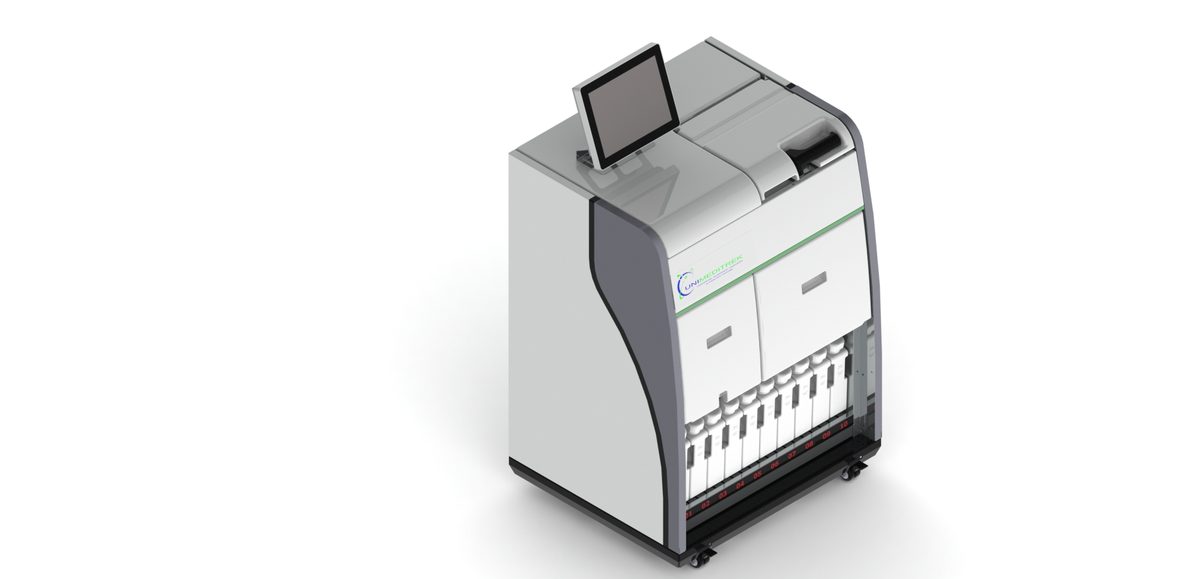
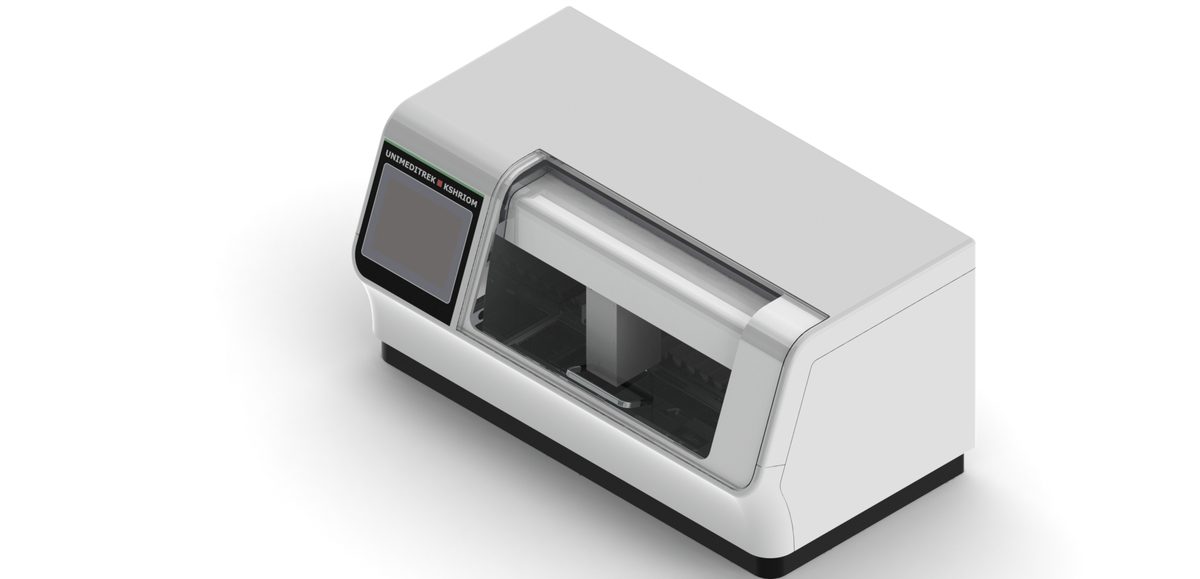
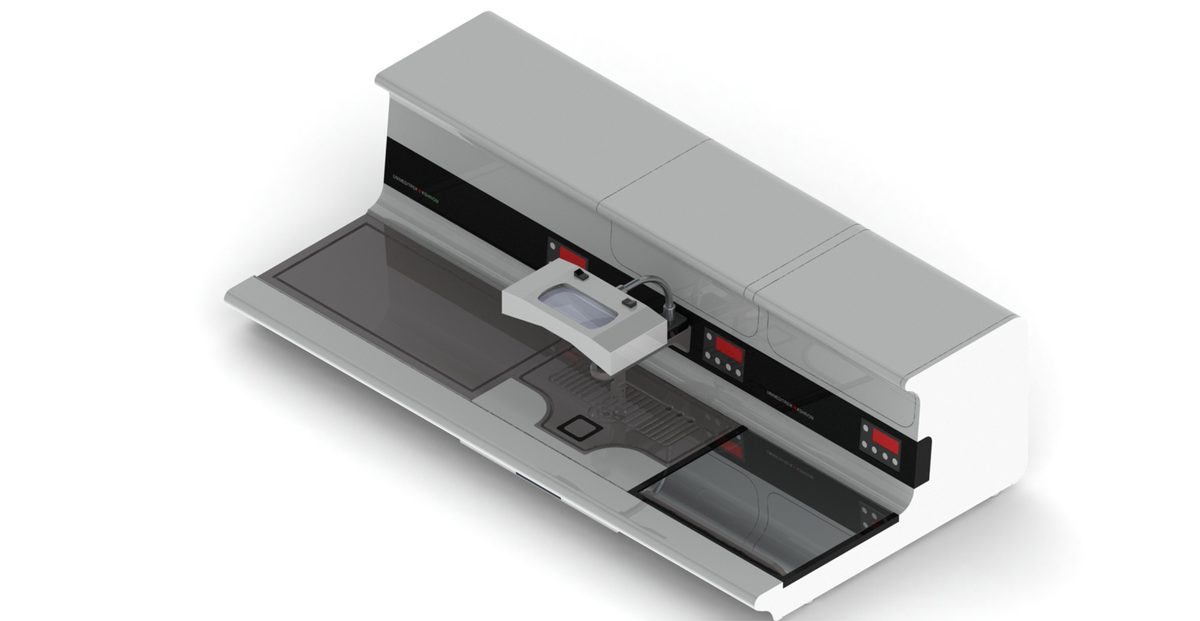
Unimeditrek is one of the Indian manufacturers in this space, offering vacuum tissue processors aimed at labs that need dependable processing without the premium pricing of imported systems. As an India-based manufacturer, Unimeditrek provides installation and AMC/CMC support across multiple regions in the country, which matters for labs outside metro cities where imported-brand service engineers may take longer to arrive. If you are evaluating Unimeditrek alongside other options, it is reasonable to ask for a live demo, a reference lab you can call, documented response-time commitments for breakdown calls, and clarity on spare-parts stocking before finalising. The same due diligence should apply equally to every vendor on your shortlist, whether Indian or global — no single brand should be assumed to be the automatic best fit without matching it to your lab's specific volume, budget, and service-access reality.
Practical Next Steps
Shortlist two or three vendors (mixing at least one Indian and one global brand if budget allows comparison), request written AMC terms and installation timelines, ask for existing customer references in your state, and if possible visit an operating lab using the processor before signing the purchase order.
FAQs
Are Indian-made vacuum tissue processors reliable for daily diagnostic use?
Many Indian-made processors are used daily in diagnostic and hospital labs across the country. Reliability depends on the specific manufacturer's build quality and service support, so checking reference sites and AMC terms is recommended regardless of origin.
Is a vacuum processor necessary, or can a basic rotary processor work for a small lab?
Vacuum/pressure cycling generally improves reagent infiltration speed and consistency, especially for fatty or dense tissue, but small labs with lower volumes and simpler specimen types sometimes manage with non-vacuum processors at lower cost. The decision should be based on your typical case mix.
What should I ask about AMC before buying any tissue processor in India, Indian or imported?
Ask for the number of preventive maintenance visits per year, guaranteed breakdown response time, whether spare parts are stocked locally, and what consumables (like carbon filters or seals) are included versus billed separately.
Prepared and reviewed by the Unimeditrek technical team based on laboratory practice, installation and service experience. This document explains histopathology workflow, laboratory practice and equipment based on the questions we hear from hospitals, medical colleges and diagnostic laboratories — vendor-neutral where it explains the science and practical where it explains equipment.
Prepared by Unimeditrek Pvt. Ltd.. For product specifications and quotations, contact our team.