Home › Knowledge › Vacuum vs Gravity Infiltration in Automatic Tissue Processors
Knowledge articleVacuum vs Gravity Infiltration in Automatic Tissue Processors
Understanding the Differences for Better Histopathology
 Automatic Tissue Processor — Unimeditrek" style="max-width:100%;border-radius:10px"/>
Introduction to Tissue Processing
Tissue processing is a critical step in histopathology, where specimens are prepared for microscopic examination. This process involves several stages, including fixation, dehydration, clearing, and infiltration. Among these stages, infiltration is particularly important as it determines how well the embedding medium, typically paraffin, penetrates the tissue. The choice between vacuum and gravity infiltration methods can significantly influence the quality of the final tissue sections.
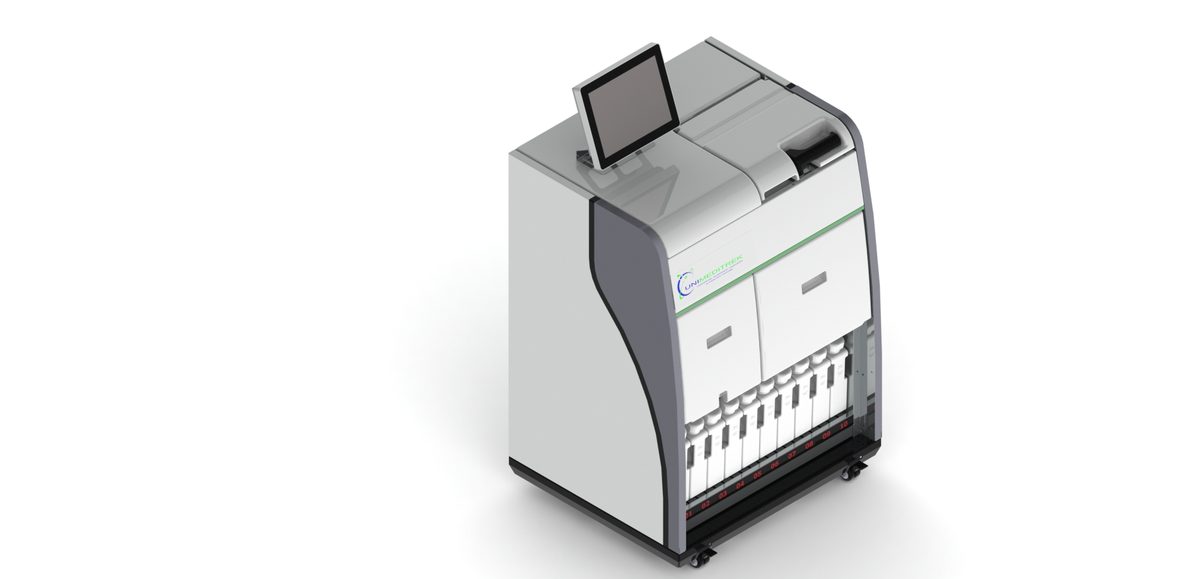
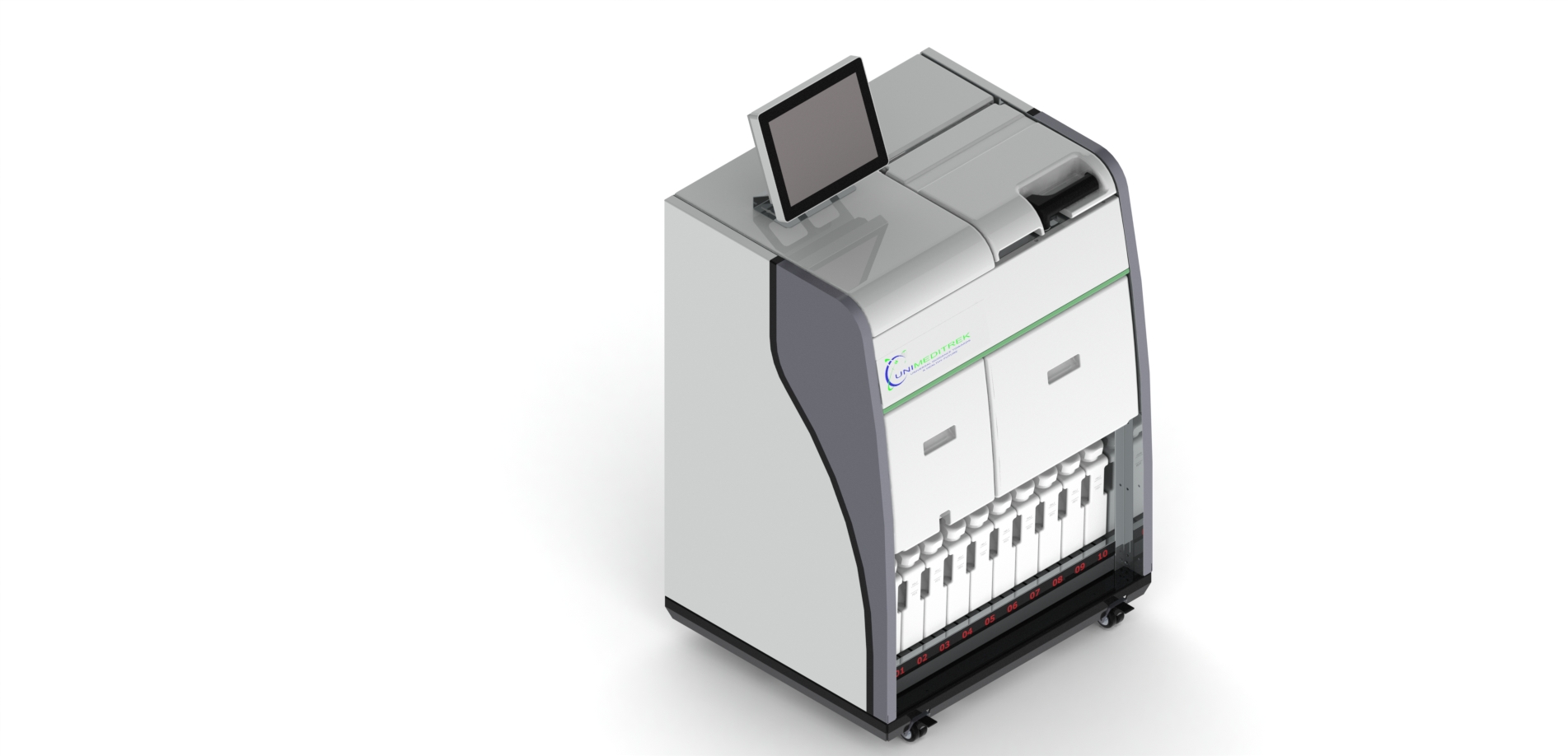
The automatic tissue processor is a sophisticated piece of equipment that streamlines the tissue processing workflow. It automates the infiltration process, allowing for consistent and reproducible results. Understanding the differences between vacuum and gravity infiltration methods can help pathologists and lab technicians make informed decisions about which technique to use for specific tissue types.
Gravity Infiltration: An Overview
Gravity infiltration is a traditional method where the embedding medium is allowed to flow into the tissue specimen solely through gravitational force. In this process, the tissues are placed in a container filled with molten paraffin, and the paraffin infiltrates the tissue as it settles. This method relies on the natural movement of the embedding medium, which can be slow and may not adequately penetrate dense or fibrous tissues.
One of the primary advantages of gravity infiltration is its simplicity and ease of use. It requires minimal equipment and can be performed without the need for specialized technology. However, the downside is that it may lead to incomplete infiltration, particularly in larger specimens or those with complex structures. The risk of air bubbles forming during this process can also compromise the quality of the embedded tissue.
Vacuum Infiltration: A Closer Look
Vacuum infiltration, on the other hand, utilizes negative pressure to enhance the penetration of the embedding medium into the tissue. In this method, the tissue specimens are placed in a vacuum chamber filled with paraffin. The vacuum creates a pressure differential that helps to draw the embedding medium into the tissue, allowing for more thorough infiltration. This method is particularly beneficial for dense or fibrous tissues that may resist penetration under gravity alone.
The advantages of vacuum infiltration include improved infiltration speed and completeness, resulting in better preservation of cellular morphology. This method reduces the likelihood of air entrapment and can significantly enhance the quality of the final tissue sections. Many modern automatic tissue processors incorporate vacuum infiltration as a standard feature, making it a preferred choice for many histopathology labs.
Comparative Analysis: Vacuum vs Gravity Infiltration
When comparing vacuum and gravity infiltration, several factors come into play, including tissue type, processing time, and the desired quality of the final sections. Gravity infiltration may be sufficient for small, uncomplicated specimens, where the risk of incomplete infiltration is low. However, for larger or more complex tissues, vacuum infiltration often proves to be more effective.
Additionally, the time required for each method can vary significantly. Gravity infiltration may take several hours, while vacuum infiltration can reduce processing time considerably. This efficiency can be crucial in busy histopathology labs, where timely results are essential for patient care. Ultimately, the choice between these methods should be guided by the specific needs of the laboratory and the types of specimens being processed.
Practical Considerations for Lab Technicians
For lab technicians and pathologists, understanding the operational nuances of both infiltration methods is essential for optimizing tissue processing protocols. When using an automatic tissue processor, it is important to ensure that the settings are appropriately adjusted for the chosen infiltration method. This includes monitoring the temperature of the embedding medium and ensuring that the vacuum is set to the correct level for effective infiltration.
Furthermore, technicians should be aware of the specific requirements of different tissue types. For instance, fatty tissues may require longer infiltration times under vacuum to ensure complete penetration, while fibrous tissues may benefit from the enhanced infiltration speed that vacuum provides. By tailoring the infiltration method to the characteristics of the tissue, technicians can achieve better outcomes in their histopathology work.
Conclusion and Practical Takeaway
In conclusion, both vacuum and gravity infiltration methods have their place in histopathology, and the choice between them can greatly influence the quality of the final tissue sections. The automatic tissue processor plays a pivotal role in facilitating these processes, providing labs with the efficiency and reliability needed for high-quality results. Understanding the strengths and limitations of each method allows pathologists and lab technicians to make informed decisions, ultimately enhancing the accuracy of diagnoses and patient care.
Practical Takeaway: Consider the type of tissue and your laboratory’s workflow when choosing between vacuum and gravity infiltration. Utilize the automatic tissue processor to streamline the process and improve the quality of your histopathology results.
FAQs
What is the primary difference between vacuum and gravity infiltration?
The primary difference lies in the method of embedding medium penetration; vacuum infiltration uses negative pressure for enhanced penetration, while gravity infiltration relies on gravitational force.
Which method is preferred for dense or fibrous tissues?
Vacuum infiltration is generally preferred for dense or fibrous tissues as it promotes better and faster penetration of the embedding medium.
How does an automatic tissue processor improve the infiltration process?
An automatic tissue processor standardizes and automates the infiltration process, ensuring consistent results and reducing processing time.
Prepared and reviewed by the Unimeditrek technical team based on laboratory practice, installation and service experience. This document explains histopathology workflow, laboratory practice and equipment based on the questions we hear from hospitals, medical colleges and diagnostic laboratories — vendor-neutral where it explains the science and practical where it explains equipment.
Prepared by Unimeditrek Pvt. Ltd.. For product specifications and quotations, contact our team.