Home › Knowledge › Uniform Warming for Reliable Section Adhesion
Knowledge articleUniform Warming for Reliable Section Adhesion
Understanding the Role of Slide Drying Tables
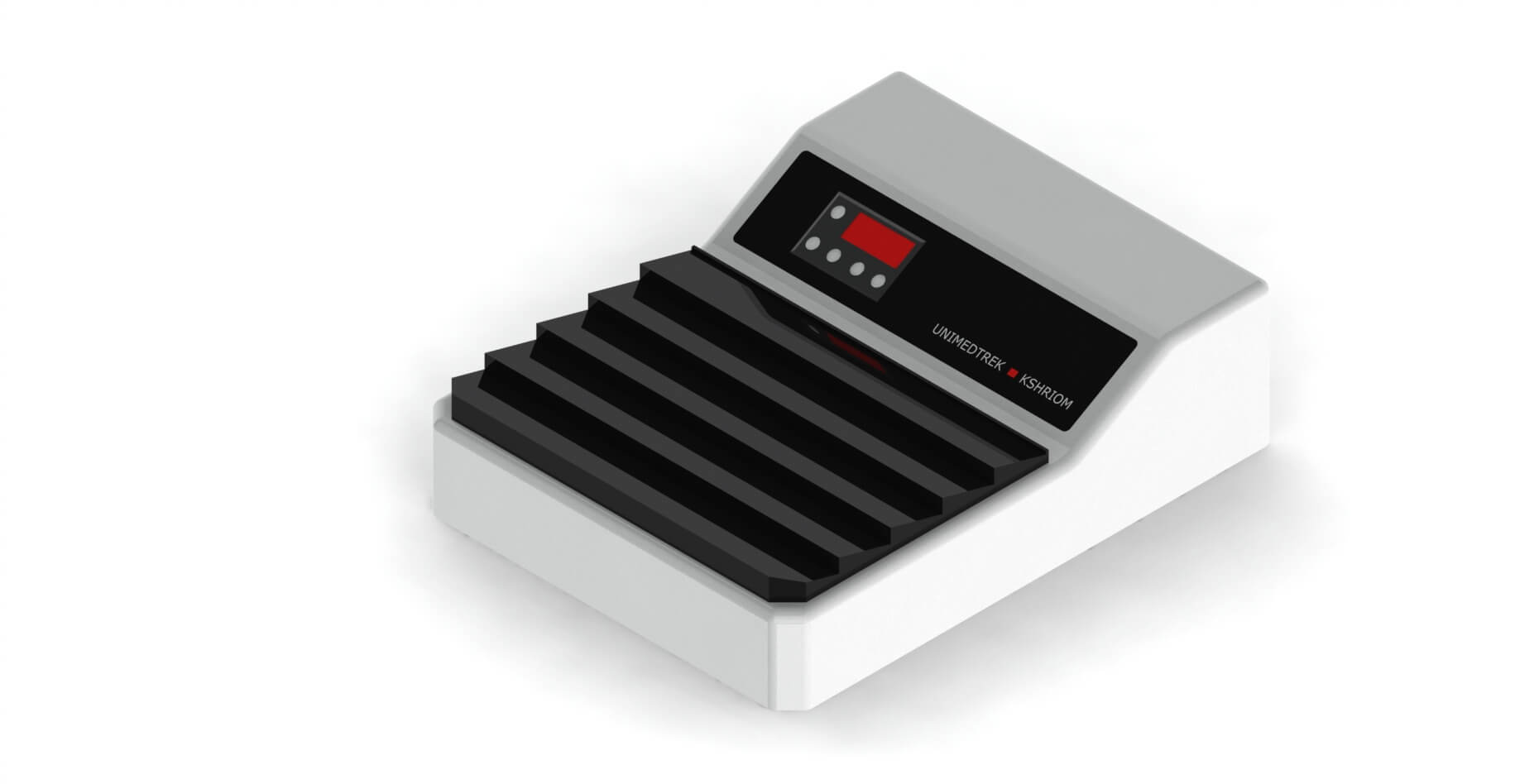 Slide Warming Table — Unimeditrek" style="max-width:100%;border-radius:10px"/>
Introduction to Slide Drying Tables
In histopathology, the preparation of tissue sections is a critical step in ensuring accurate diagnosis and treatment planning. One of the essential tools in this process is the slide drying table, which plays a pivotal role in the adhesion of tissue sections to glass slides. Proper adhesion is crucial as it prevents the loss of tissue during subsequent staining and analysis. Understanding the mechanics of how a slide drying table functions can significantly enhance the quality of histological preparations.
A slide drying table provides uniform heat across its surface, which facilitates the drying process of the slides. This uniform warming is vital for ensuring that sections adhere properly to the slides, reducing the risk of detachment during staining and microscopic examination. In this article, we will delve into the importance of uniform warming, the mechanics of slide drying tables, and best practices for their effective use in histopathology labs.
The Importance of Uniform Warming
Uniform warming is essential in histopathology for several reasons. Firstly, when tissue sections are mounted on slides, they must be adequately dried to ensure optimal adhesion. If the warming is uneven, certain areas of the slide may dry faster than others, leading to inconsistent adhesion of the tissue. This inconsistency can result in sections lifting off the slide during staining, which compromises the integrity of the sample and can lead to diagnostic errors.
Moreover, uniform warming helps in minimizing the risk of thermal shock to the tissue sections. Sudden changes in temperature can cause artifacts in the tissue, which may obscure important histological features. By using a slide drying table that provides consistent heat, histopathologists can ensure that the tissue sections remain stable and intact, allowing for accurate analysis under the microscope.
Mechanics of Slide Drying Tables
A slide drying table typically consists of a heated surface that maintains a consistent temperature. The design of these tables is such that they distribute heat evenly across the entire surface area. This is achieved through various heating technologies, which are designed to provide quick and efficient warming without hot spots that can damage the tissue.
Many modern slide drying tables are equipped with features such as adjustable temperature settings and timers, allowing users to customize the drying process according to the specific requirements of the tissue type being processed. This flexibility is particularly useful in a histopathology lab where a variety of tissues may be examined, each with its own unique characteristics and drying needs. Proper utilization of these features can significantly enhance the quality of slide preparations.
Best Practices for Using a Slide Drying Table
To maximize the benefits of a slide drying table, histopathology labs should adhere to certain best practices. First, it is crucial to preheat the slide drying table before placing the slides on it. This ensures that the slides are exposed to a consistent temperature from the moment they are placed on the surface, promoting even drying and adhesion.
Additionally, labs should monitor the temperature settings regularly to ensure that they remain within the optimal range for the specific type of tissue being processed. Overheating can lead to tissue degradation, while insufficient heat may not provide adequate adhesion. Regular calibration and maintenance of the slide drying table are also essential to ensure its longevity and effectiveness in the lab environment.
Common Challenges and Solutions
Despite the benefits of using a slide drying table, histopathology labs may encounter challenges related to its use. One common issue is the formation of bubbles or wrinkles in the tissue sections, which can occur if the slides are not placed flat on the drying surface. To mitigate this, technicians should ensure that slides are placed carefully and evenly on the table, avoiding any overlapping or misalignment.
Another challenge is the potential for contamination during the drying process. It is essential to maintain a clean working environment and regularly clean the surface of the slide drying table to prevent any foreign particles from adhering to the slides. Implementing a routine cleaning protocol can help maintain the integrity of the slides and the accuracy of the histological analysis.
Practical Takeaway
In conclusion, the use of a slide drying table is indispensable in histopathology for achieving reliable section adhesion. By ensuring uniform warming, histopathologists can significantly improve the quality of tissue preparations, leading to more accurate diagnoses. Adhering to best practices and addressing common challenges will further enhance the utility of this essential equipment in any histopathology lab.
FAQs
What is the primary function of a slide drying table?
The primary function of a slide drying table is to provide uniform heat to glass slides, ensuring that tissue sections adhere properly and remain intact during staining and analysis.
How can uneven warming affect tissue section adhesion?
Uneven warming can lead to inconsistent drying of tissue sections, causing some areas to adhere poorly to the slide. This may result in sections lifting off during staining, compromising the sample integrity.
What are some best practices for using a slide drying table?
Best practices include preheating the table before use, monitoring temperature settings, ensuring slides are placed flat on the surface, and maintaining a clean working environment to prevent contamination.
Prepared and reviewed by the Unimeditrek technical team based on laboratory practice, installation and service experience. This document explains histopathology workflow, laboratory practice and equipment based on the questions we hear from hospitals, medical colleges and diagnostic laboratories — vendor-neutral where it explains the science and practical where it explains equipment.
Prepared by Unimeditrek Pvt. Ltd.. For product specifications and quotations, contact our team.