Home › Knowledge › Understanding the Histopathology Quality-Control Cycle
Knowledge articleUnderstanding the Histopathology Quality-Control Cycle
A guide for effective lab practices
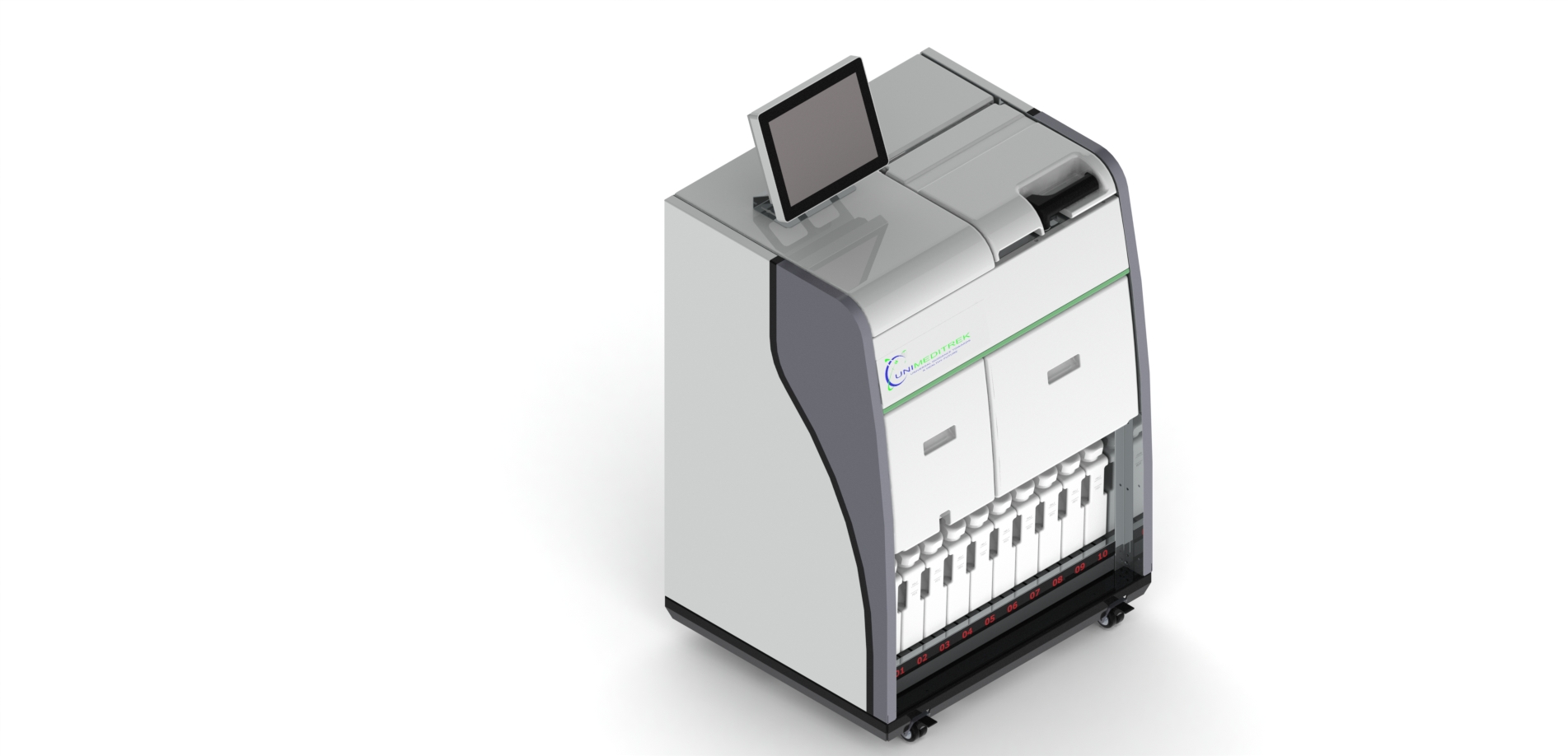
 Tissue Embedding Station — Unimeditrek" style="max-width:100%;border-radius:10px"/>
Introduction to Quality Control in Histopathology
Quality control (QC) is a fundamental aspect of histopathology that ensures the accuracy and reliability of diagnostic results. In a histopathology lab, where precision is paramount, implementing a robust quality-control cycle is essential. This cycle encompasses a series of systematic procedures aimed at monitoring and improving the quality of laboratory processes, ultimately leading to enhanced patient outcomes.
The quality-control cycle consists of several key components, including planning, implementation, monitoring, and evaluation. Each phase plays a critical role in maintaining the integrity of histopathological analyses, from specimen collection to final diagnosis. Understanding and effectively executing these steps can significantly impact the overall quality of laboratory work.
Planning: Establishing Quality Standards
The first step in the quality-control cycle is planning, which involves defining the quality standards that the laboratory aims to achieve. These standards should be based on established guidelines and best practices within the field of histopathology. It is crucial to involve all stakeholders in this process, including pathologists, lab technicians, and quality assurance personnel, to ensure a comprehensive understanding of the expected outcomes.
During the planning phase, it is also essential to identify the specific roles and responsibilities of each team member. This ensures that everyone is aware of their contributions to the quality-control process. Additionally, resources such as training programs and relevant equipment, including the tissue embedding station, should be assessed to ensure that the lab is adequately equipped to meet its quality standards.
Implementation: Putting Plans into Action
Moreover, proper training for lab personnel is crucial during this phase. Technicians must be well-versed in the operation of the tissue embedding station and other equipment, as well as the protocols for tissue preparation and processing. Regular training sessions can help reinforce best practices and address any emerging challenges, ensuring that the quality of work remains high.
Monitoring: Continuous Oversight of Processes
The monitoring phase involves the ongoing assessment of laboratory processes to ensure adherence to established quality standards. This can be achieved through regular audits, performance evaluations, and the implementation of control charts to track key performance indicators. Monitoring not only helps identify deviations from expected outcomes but also facilitates timely interventions to rectify any issues that may arise.
Evaluation: Assessing Outcomes and Making Improvements
The final phase of the quality-control cycle is evaluation, which involves analyzing the results of monitoring activities to determine whether the quality standards have been met. This phase is critical for identifying areas of improvement and implementing corrective actions where necessary. Evaluating outcomes not only helps in maintaining compliance with quality standards but also fosters a culture of continuous improvement within the laboratory.
Practical Takeaway: Enhancing Quality in Histopathology
Further reading
For peer-reviewed depth on histopathology practice and quality, these leading journals are excellent references:
- The Journal of Pathology
- Histopathology (Wiley)
- Modern Pathology (USCAP)
- Archives of Pathology & Laboratory Medicine (CAP)
- American Journal of Clinical Pathology
- Journal of Clinical Pathology (BMJ)
Tissue Embedding Station — engineered and serviced in India
Unimeditrek manufactures the Tissue Embedding Station with pan-India installation and service. Explore the full specifications, request a demo, or register to download the brochure — direct from the manufacturer.
View Tissue Embedding Station & request a quote →FAQs
What is the importance of quality control in histopathology?
Quality control in histopathology is crucial for ensuring accurate diagnoses and reliable results, which directly impact patient care and treatment decisions.
How can labs implement effective quality control measures?
Labs can implement effective quality control measures by establishing clear standards, providing regular training, and continuously monitoring processes to identify and correct issues.
What role does the tissue embedding station play in quality control?
The tissue embedding station is essential for standardizing the embedding process, which is critical for producing high-quality tissue samples for accurate diagnosis.
Prepared and reviewed by the Unimeditrek technical team based on laboratory practice, installation and service experience. This document explains histopathology workflow, laboratory practice and equipment based on the questions we hear from hospitals, medical colleges and diagnostic laboratories — vendor-neutral where it explains the science and practical where it explains equipment.
Prepared by Unimeditrek Pvt. Ltd.. For product specifications and quotations, contact our team.