Home › Knowledge › Understanding Reproducibility Challenges in Manual Slide Staining
Knowledge articleUnderstanding Reproducibility Challenges in Manual Slide Staining
Exploring the benefits of automation in histopathology
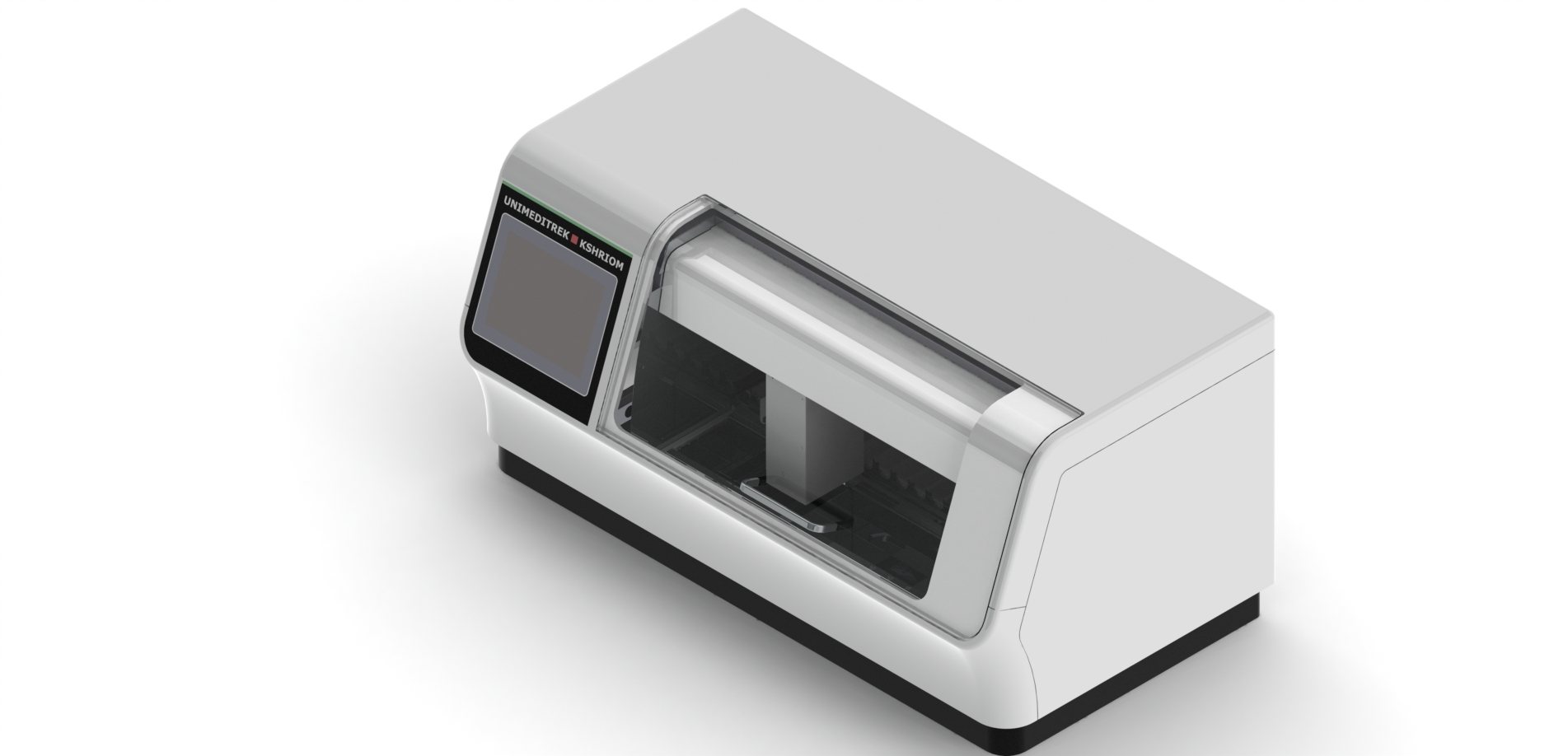 Automatic Slide Staining Machine — Unimeditrek" style="max-width:100%;border-radius:10px"/>
Introduction to Slide Staining in Histopathology
Slide staining is a critical process in histopathology that allows pathologists to visualize cellular structures and identify abnormalities. The accuracy of diagnoses heavily relies on the quality of the staining process. Traditionally, many histopathology labs have employed manual staining techniques, which, while effective, can lead to significant variations in results, especially when dealing with high volumes of samples. Understanding the limitations of manual staining is essential for improving the reliability of diagnostic outcomes.
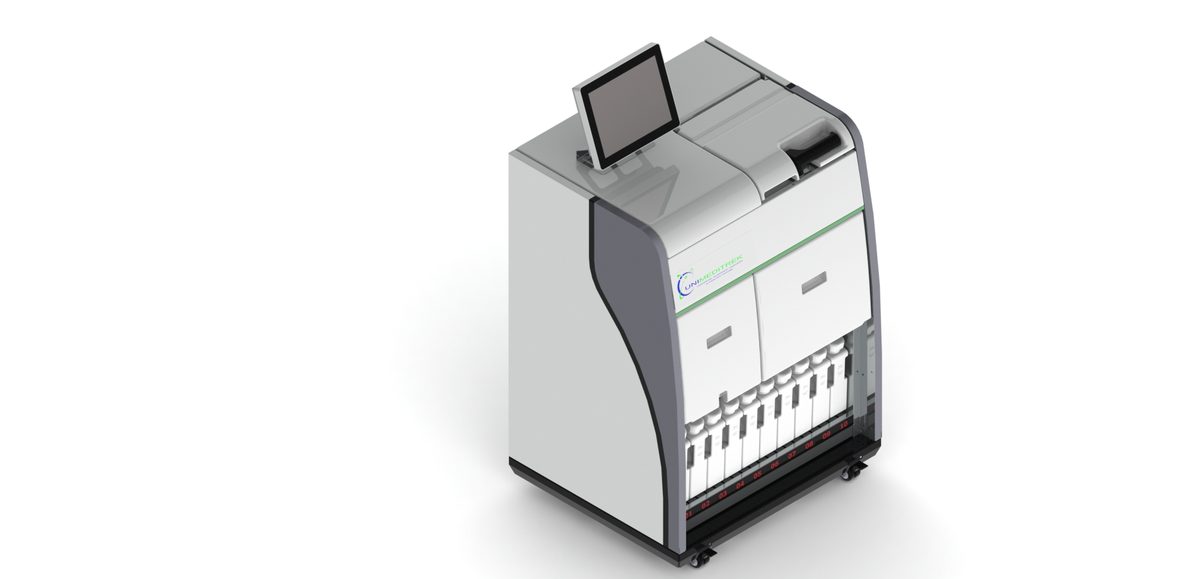
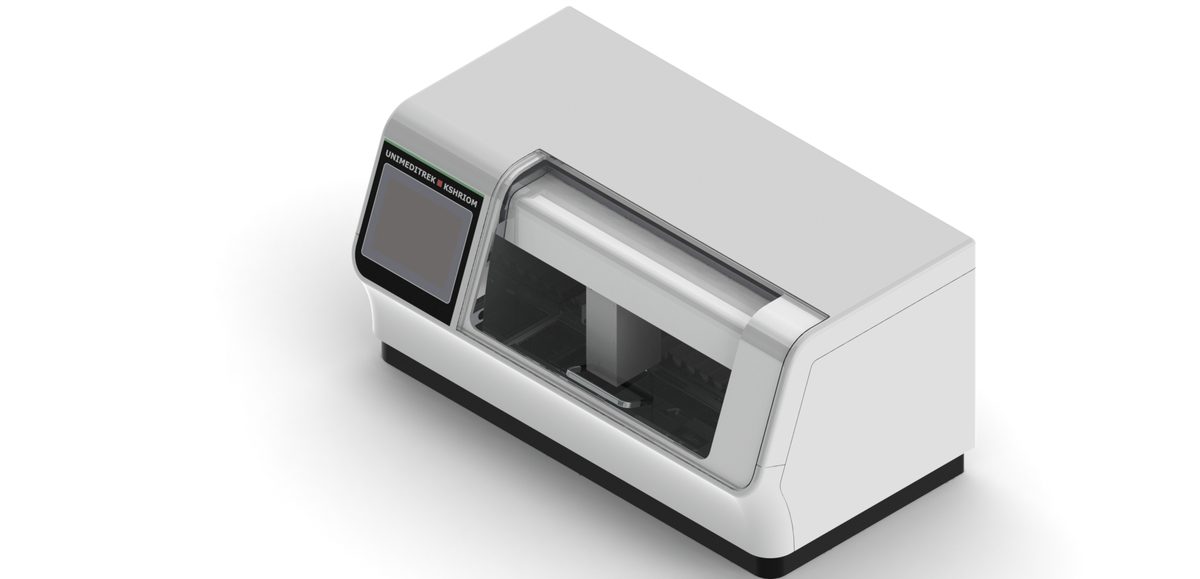
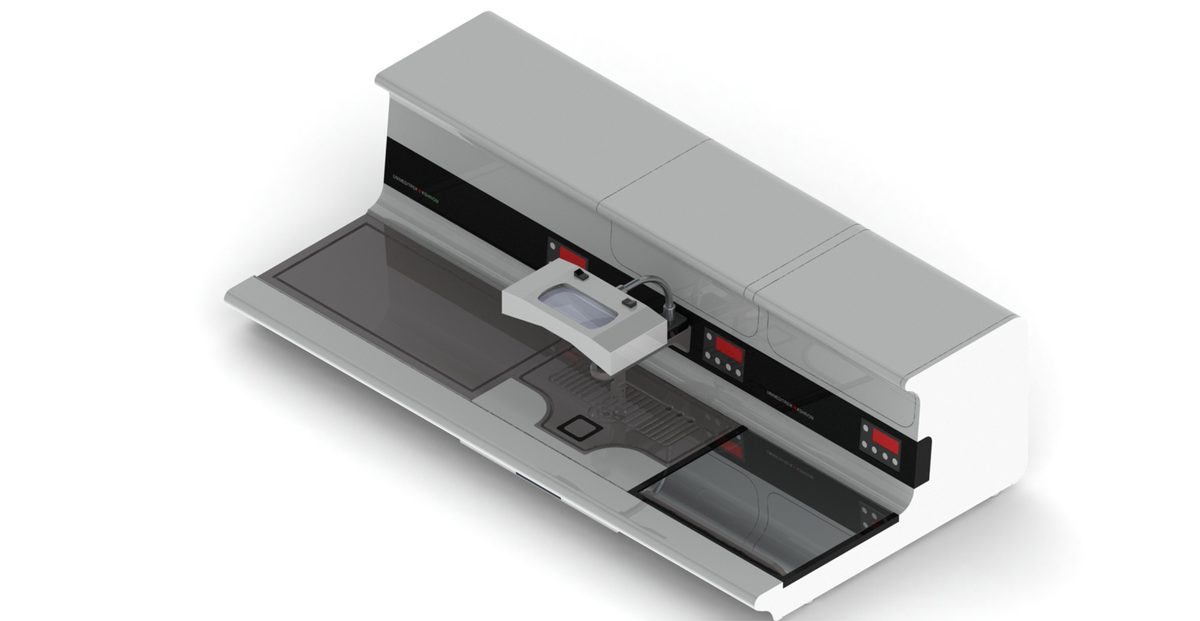
As the demand for histopathological services continues to grow, laboratories are increasingly challenged to maintain consistent quality while processing larger volumes of slides. This is where the adoption of an automatic slide staining machine becomes a game-changer. By automating the staining process, labs can minimize variability, enhance reproducibility, and ultimately provide more reliable results to clinicians.
The Impact of Human Error on Manual Staining
One of the primary reasons manual staining loses reproducibility at high volumes is the potential for human error. Each step in the staining process—from sample preparation to the application of reagents—requires a high level of precision and consistency. In a busy lab environment, where technicians may be handling multiple samples simultaneously, the likelihood of mistakes increases. Factors such as inconsistent timing, uneven reagent application, and variations in technique can all contribute to discrepancies in staining results.
Additionally, the subjective nature of manual staining can lead to variability. Different technicians may interpret the desired endpoint of a staining protocol differently, resulting in variations in the intensity and quality of the stain. This subjectivity can be particularly problematic when diagnosing critical conditions, as it may lead to misinterpretations or missed diagnoses. By employing an automatic slide staining machine, laboratories can standardize the staining process, reducing the impact of human error and ensuring more consistent results across all samples.
Variability in Reagent Handling and Environmental Factors
Another challenge associated with manual slide staining is the handling of reagents. The quality and consistency of reagents play a vital role in the staining process, and manual methods often involve multiple transfers and dilutions that can introduce variability. For instance, if reagents are not mixed thoroughly or if there are inconsistencies in their concentrations, the staining results may vary significantly from one batch to another.
Environmental factors also come into play when it comes to manual staining. Temperature fluctuations, humidity levels, and even the cleanliness of the workspace can impact the staining process. In a high-volume lab, maintaining a controlled environment can be challenging, leading to further inconsistencies. An automatic slide staining machine can mitigate these issues by providing a controlled environment for the staining process, ensuring that each slide is treated under the same conditions, thus enhancing reproducibility.
Time Efficiency and Workflow Optimization
Manual staining can be a time-consuming process, particularly when dealing with a large number of slides. Technicians often spend considerable time preparing reagents, setting up staining protocols, and monitoring the staining process. This not only affects the efficiency of the lab but can also lead to technician fatigue, which may further compromise the quality of staining.
In contrast, an automatic slide staining machine streamlines the entire workflow by automating these time-consuming tasks. With the ability to process multiple slides simultaneously, labs can significantly reduce turnaround times, allowing for quicker diagnoses. This efficiency can be particularly beneficial in clinical settings where timely results are crucial for patient care. Moreover, by freeing up technicians from repetitive tasks, they can focus on more complex aspects of histopathology, enhancing overall productivity.
Conclusion: Embracing Automation for Improved Outcomes
As the field of histopathology continues to evolve, the need for reliable and reproducible staining methods becomes increasingly important. While manual staining techniques have served labs well for many years, the challenges associated with human error, reagent handling, and environmental variability can compromise the quality of results, especially at higher volumes.
By adopting an automatic slide staining machine, laboratories can overcome these challenges, ensuring consistent, high-quality staining outcomes. With the ability to standardize processes, minimize variability, and optimize workflows, automation is not just a trend but a necessary evolution in histopathology. As Unimeditrek supplies, installs, and services these machines across India, including labs in Kolkata, the future of histopathology looks brighter with the promise of enhanced reproducibility and improved patient care.
FAQs
What are the benefits of using an automatic slide staining machine?
An automatic slide staining machine offers consistent results, reduces human error, and optimizes workflow efficiency, making it ideal for high-volume labs.
How does automation improve reproducibility in staining?
Automation standardizes the staining process, ensuring that every slide is treated under the same conditions, which minimizes variability and enhances reproducibility.
Can manual staining still be effective in some cases?
Yes, manual staining can be effective, particularly for specialized stains. However, for high-volume labs, automation is generally preferred for its consistency and efficiency.
Prepared and reviewed by the Unimeditrek technical team based on laboratory practice, installation and service experience. This document explains histopathology workflow, laboratory practice and equipment based on the questions we hear from hospitals, medical colleges and diagnostic laboratories — vendor-neutral where it explains the science and practical where it explains equipment.
Prepared by Unimeditrek Pvt. Ltd.. For product specifications and quotations, contact our team.