Home › Knowledge › Understanding IHC Controls and Reproducibility
Knowledge articleUnderstanding IHC Controls and Reproducibility
A guide for histopathology labs
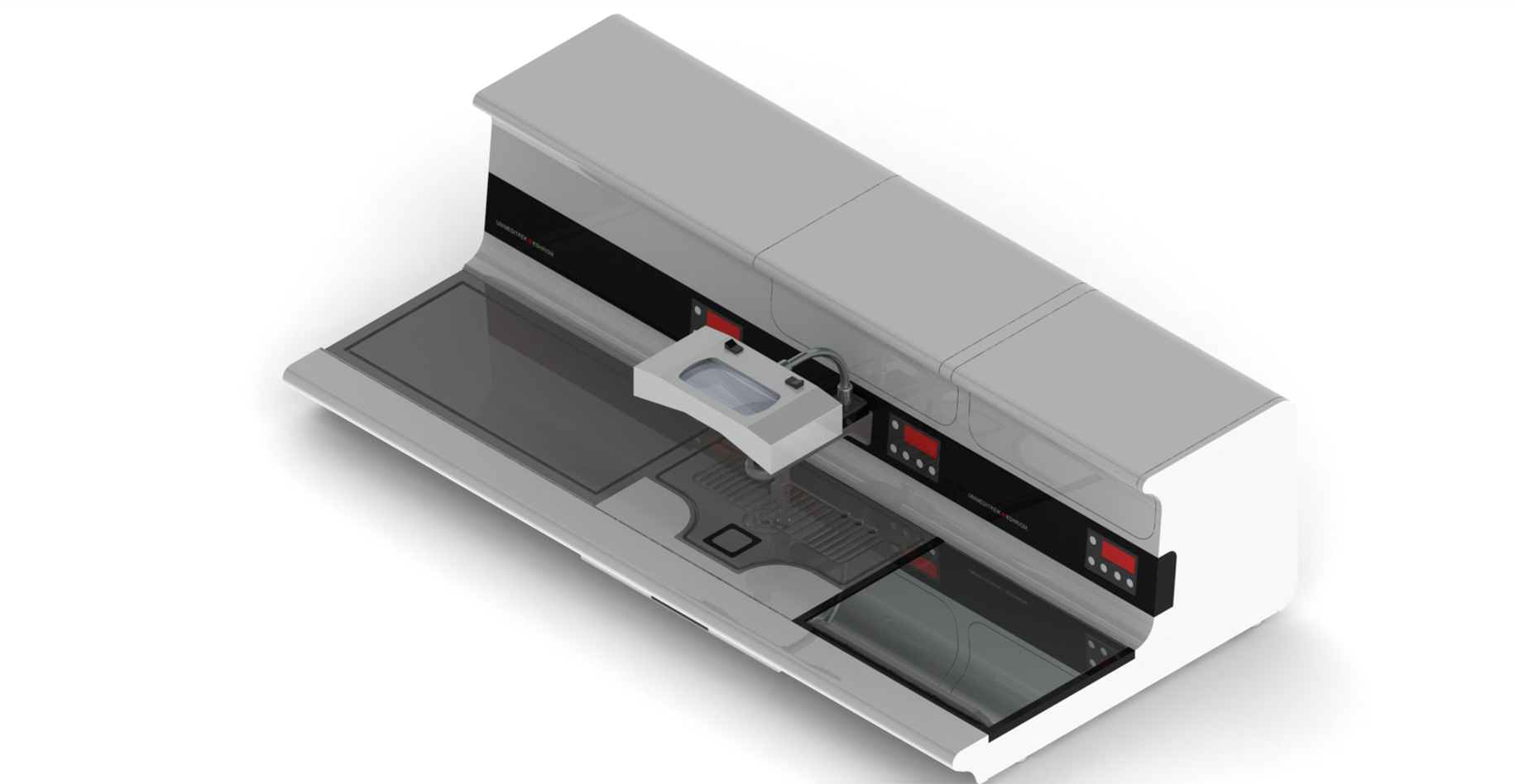 Tissue Embedding Station — Unimeditrek" style="max-width:100%;border-radius:10px"/>
Introduction to Immunohistochemistry (IHC)
Immunohistochemistry (IHC) is a vital technique in histopathology that allows for the visualization of specific antigens in tissue sections. By utilizing antibodies that bind to these antigens, pathologists can gain insights into the molecular characteristics of tissues, aiding in diagnosis and treatment decisions. However, the reliability of IHC results heavily depends on the implementation of appropriate controls and ensuring reproducibility across experiments.
The process of IHC involves several steps, including fixation, embedding, sectioning, and staining. Each step is crucial, and any variation can lead to inconsistent results. Thus, understanding the role of controls in IHC is essential for producing reliable data and ensuring that findings can be replicated in future studies.
The Importance of Controls in IHC
Controls in IHC serve as benchmarks that help in validating the staining process and ensuring the specificity of the antibody used. There are generally two types of controls: positive and negative. Positive controls contain the target antigen and should yield a clear signal, confirming that the staining protocol is functioning correctly. Negative controls, on the other hand, lack the target antigen and should not produce any staining, ensuring that any observed signal is due to specific binding and not background noise.
Utilizing appropriate controls is critical for diagnosing diseases accurately. For instance, if a positive control fails to show expected staining, it indicates a potential issue with the antibody or the staining protocol. Similarly, a positive signal in a negative control may suggest non-specific binding, which can lead to misinterpretation of results. Therefore, incorporating robust controls is a non-negotiable aspect of any IHC protocol.
Reproducibility in IHC
Reproducibility refers to the ability to obtain consistent results across different experiments or laboratories. In IHC, achieving reproducibility can be challenging due to various factors, including differences in sample preparation, variations in antibody lots, and even differences in the staining equipment and protocols used. It is essential to standardize procedures to minimize variability and enhance the reliability of results.
One effective strategy to improve reproducibility is to maintain thorough documentation of all protocols, reagents, and conditions used during the staining process. This includes recording the source and lot numbers of antibodies, fixation times, and any modifications made to standard protocols. By keeping detailed records, labs can troubleshoot issues more effectively and ensure that future experiments are conducted under similar conditions.
Best Practices for Using a Paraffin Embedding Station
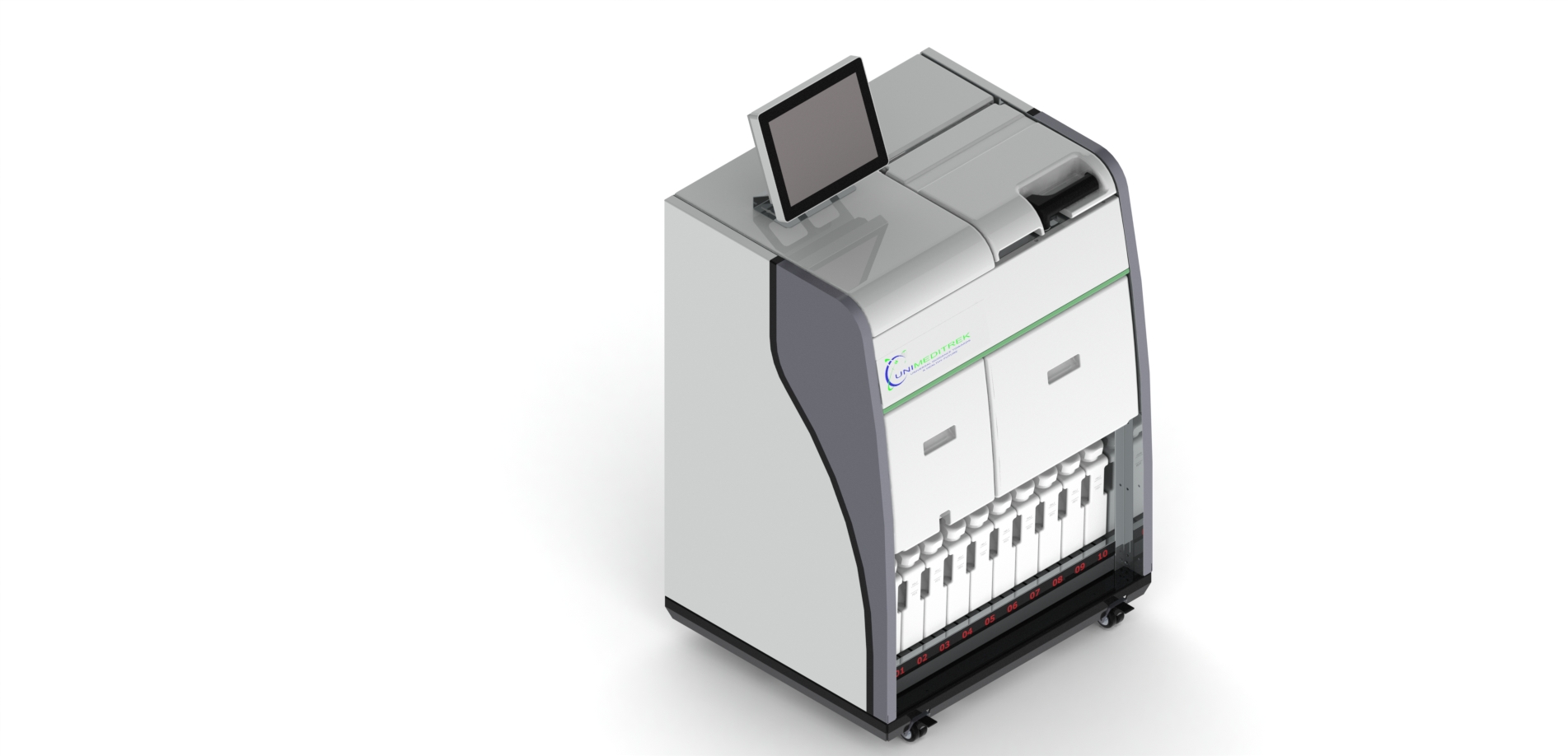
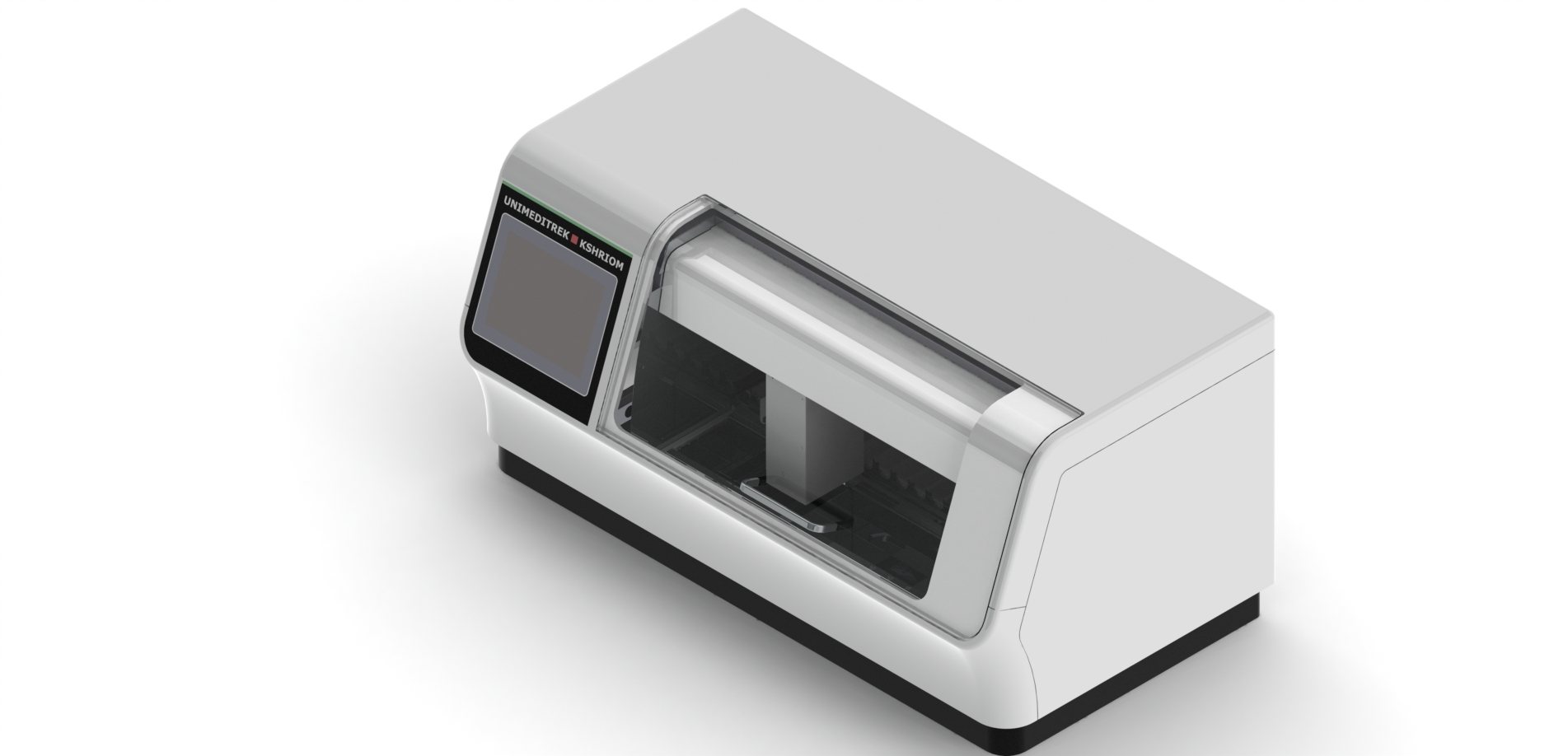
The paraffin embedding station plays a crucial role in preparing tissue samples for IHC. Proper embedding is essential for maintaining tissue morphology and ensuring that antigens remain intact during subsequent processing. To optimize the use of a paraffin embedding station, it is crucial to follow best practices during the embedding process.
First, ensure that the tissue samples are adequately fixed and dehydrated before embedding. Inadequate fixation can lead to antigen retrieval challenges, while poor dehydration can cause artifacts during sectioning. Second, maintain the optimal temperature settings on the embedding station to ensure that the paraffin is fully melted and adequately infiltrates the tissue. This will help in obtaining high-quality sections that are essential for reliable staining results.
Practical Takeaway
Incorporating appropriate controls and ensuring reproducibility are fundamental to the success of IHC in histopathology. By utilizing positive and negative controls, documenting procedures meticulously, and adhering to best practices with equipment such as the paraffin embedding station, laboratories can enhance the reliability of their findings. This ultimately contributes to more accurate diagnoses and better patient outcomes.
Further reading
For peer-reviewed depth on histopathology practice and quality, these leading journals are excellent references:
- The Journal of Pathology
- Histopathology (Wiley)
- Modern Pathology (USCAP)
- Archives of Pathology & Laboratory Medicine (CAP)
- American Journal of Clinical Pathology
- Journal of Clinical Pathology (BMJ)
Tissue Embedding Station — engineered and serviced in India
Unimeditrek manufactures the Tissue Embedding Station with pan-India installation and service. Explore the full specifications, request a demo, or register to download the brochure — direct from the manufacturer.
View Tissue Embedding Station & request a quote →FAQs
What types of controls should be used in IHC?
In IHC, both positive and negative controls are essential. Positive controls contain the target antigen and should show clear staining, while negative controls lack the antigen and should not exhibit any staining.
How can I improve reproducibility in my IHC experiments?
To improve reproducibility, standardize your protocols, maintain detailed documentation of reagents and procedures, and ensure consistent sample preparation and staining conditions.
What role does a paraffin embedding station play in IHC?
A paraffin embedding station is crucial for preparing tissue samples by ensuring proper infiltration of paraffin, which helps maintain tissue morphology and facilitates high-quality sectioning for IHC.
Prepared and reviewed by the Unimeditrek technical team based on laboratory practice, installation and service experience. This document explains histopathology workflow, laboratory practice and equipment based on the questions we hear from hospitals, medical colleges and diagnostic laboratories — vendor-neutral where it explains the science and practical where it explains equipment.
Prepared by Unimeditrek Pvt. Ltd.. For product specifications and quotations, contact our team.