Home › Knowledge › Troubleshooting Wrinkles and Folds in Sections
Knowledge articleTroubleshooting Wrinkles and Folds in Sections
A guide for histopathologists and lab technicians
Understanding the Causes of Wrinkles and Folds
Wrinkles and folds in tissue sections can significantly impact the quality of histopathological analysis. Understanding the underlying causes is crucial for effective troubleshooting. One common reason for these issues is improper handling during the embedding or sectioning processes. If the tissue is not adequately infiltrated with paraffin or if the embedding is rushed, it can lead to uneven surfaces that wrinkle during sectioning.
Another factor contributing to wrinkles is the temperature of the microtome blade. A dull or improperly heated blade can create tension in the tissue as it is being cut, resulting in folds. Moreover, the orientation of the tissue block can also play a role; if the block is not oriented correctly, it may not cut evenly, leading to sections that are not flat.
Optimizing the Digital Tissue Floatation Bath Settings
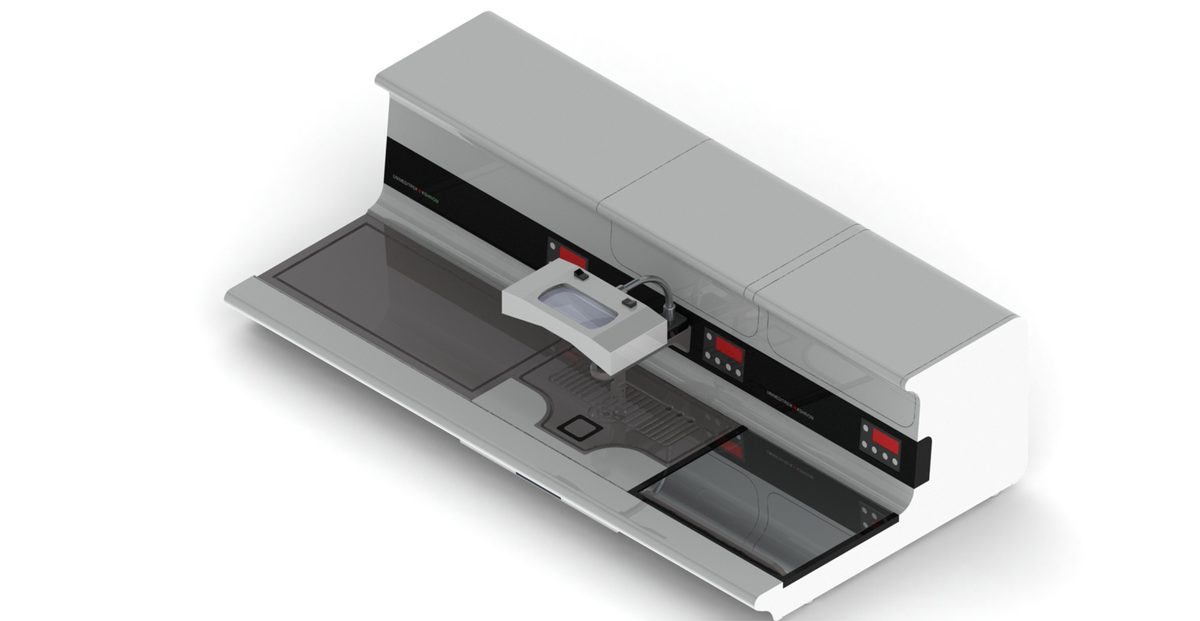
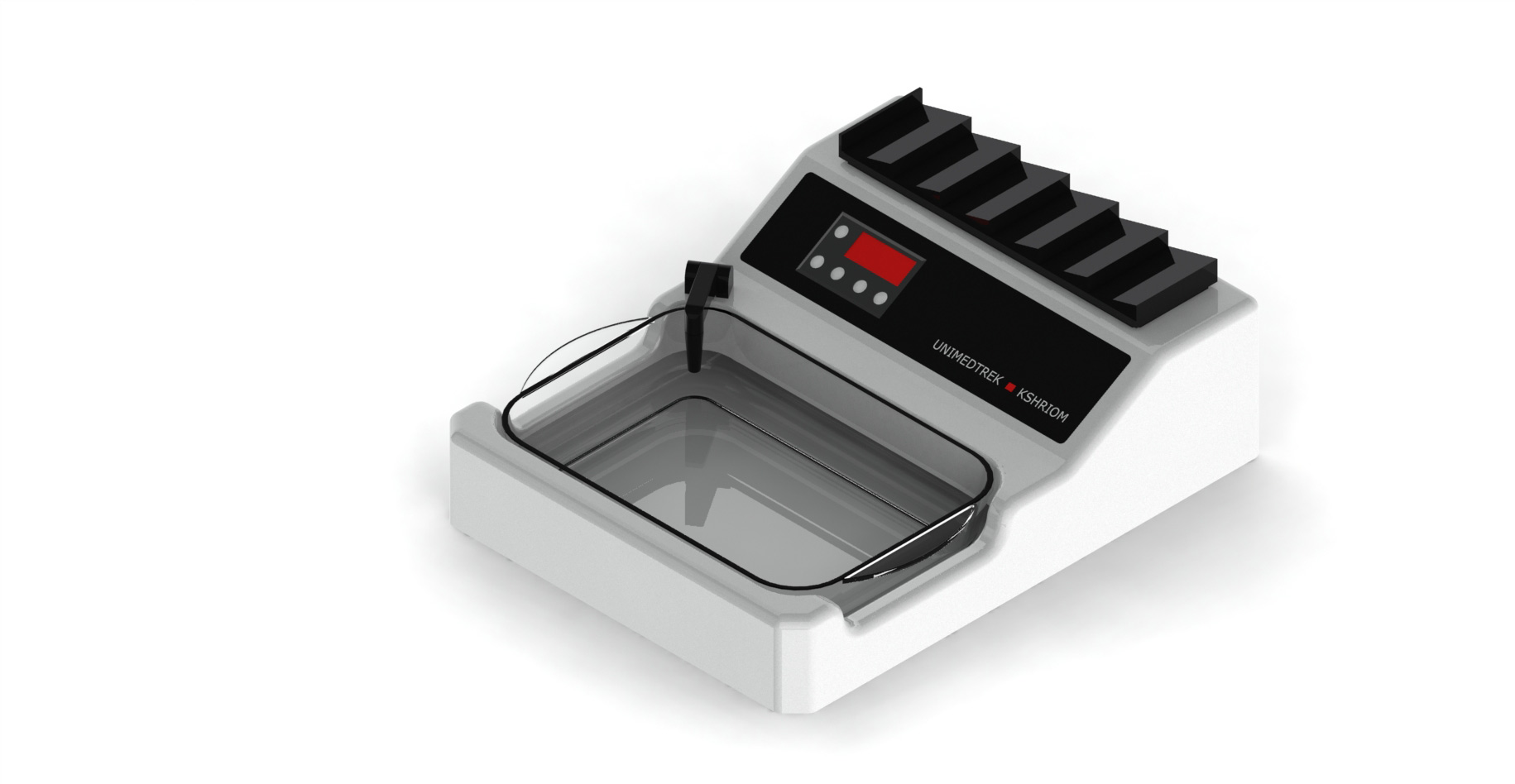
The digital tissue floatation bath is an essential tool for flattening tissue sections after cutting. To optimize its performance, ensure that the temperature settings are appropriate for the type of tissue being processed. Different tissues may require different temperatures to achieve optimal results. If the bath temperature is too low, the sections may not spread out properly, leading to wrinkles.
Additionally, the water quality in the floatation bath can affect the outcome. Using distilled or deionized water helps prevent contaminants that could interfere with the tissue’s ability to spread. Regular maintenance of the bath, including cleaning and checking for any debris, is also vital to ensure its efficiency in flattening sections.
Proper Technique for Handling Sections
Proper handling techniques are critical in preventing wrinkles and folds in sections. When transferring sections from the microtome to the floatation bath, use a clean, soft brush or a spatula to gently lift the section. Avoid using excessive force, as this can cause tearing or wrinkling. Instead, allow the section to float freely on the water surface, where it can relax and flatten out.
Once the section is in the bath, it is essential to monitor it closely. Allow sufficient time for the tissue to expand fully before picking it up for mounting. Rushing this process can lead to incomplete flattening, resulting in wrinkles. Proper timing and patience during this stage can significantly enhance the quality of the final slide.
Dealing with Persistent Wrinkles and Folds
Despite best efforts, some sections may still exhibit wrinkles or folds. In such cases, it is important to assess whether the issue is isolated to a specific type of tissue or if it is a more widespread problem. If the issue persists across multiple samples, it may indicate a need to review the entire workflow from fixation to sectioning.
For stubborn wrinkles, one technique involves re-floating the section. Carefully transfer the wrinkled section back into the floatation bath, allowing it to relax again in the warm water. This can sometimes help the tissue regain its flatness. If the problem continues, consider revisiting the embedding process to ensure that the tissue is adequately infiltrated and oriented correctly.
Implementing Quality Control Measures
Establishing quality control measures can help prevent wrinkles and folds in the future. Regular training sessions for lab personnel on the best practices for embedding, sectioning, and handling tissue can enhance overall efficiency. Encourage staff to document any recurring issues and the steps taken to resolve them, creating a valuable reference for troubleshooting.
Additionally, consider conducting routine checks on the digital tissue floatation bath and other equipment to ensure they are functioning optimally. By being proactive and implementing quality control measures, labs can significantly reduce the occurrence of wrinkles and folds, leading to better histological results and more accurate diagnoses.
Practical Takeaway
Addressing wrinkles and folds in tissue sections requires a combination of understanding the causes, optimizing equipment settings, employing proper handling techniques, and implementing quality control measures. By focusing on these areas, histopathologists and lab technicians can enhance the quality of their histopathological analyses.
FAQs
What are common causes of wrinkles in tissue sections?
Common causes include improper embedding, dull microtome blades, and incorrect tissue orientation during sectioning.
How can I optimize the digital tissue floatation bath for better results?
Ensure the bath temperature is appropriate for the tissue type and use distilled water to prevent contamination.
What should I do if wrinkles persist despite following best practices?
Consider re-floating the section in the bath or revisiting the embedding process to ensure proper infiltration and orientation.
Prepared and reviewed by the Unimeditrek technical team based on laboratory practice, installation and service experience. This document explains histopathology workflow, laboratory practice and equipment based on the questions we hear from hospitals, medical colleges and diagnostic laboratories — vendor-neutral where it explains the science and practical where it explains equipment.
Prepared by Unimeditrek Pvt. Ltd.. For product specifications and quotations, contact our team.