Home › Knowledge › Mastering Tissue Processors: Tips & Techniques
Knowledge articleMastering Tissue Processors: Tips & Techniques
Practical tips and techniques for using an automatic tissue processor effectively in a histopathology lab.
Mastering Tissue Processors: Essential PPT Tips & Techniques
Understanding the Importance of Proper Tissue Processing
Proper tissue processing is essential in histopathology labs, where accurate diagnosis and research depend on the quality of processed tissue specimens. The process involves preparing tissue samples for microscopic examination by embedding them in a solid medium, typically paraffin wax. This preparation preserves the tissue's cellular structure, allowing pathologists to analyze it for disease markers, abnormalities, or other critical indicators. Effective tissue processing ensures the integrity and clarity of the sample, which is paramount for reliable diagnostic outcomes. Improperly processed tissues can lead to artifacts, poor staining, and ultimately, misdiagnosis. Therefore, understanding the nuances of tissue processing not only enhances lab efficiency but also contributes to the overall accuracy and reliability of histopathological results. Moreover, efficient tissue processing can significantly reduce turnaround times, enabling quicker diagnosis and treatment decisions. This is particularly important in clinical settings where timely results can impact patient outcomes. By mastering tissue processing techniques, lab technicians and pathologists can ensure that their work contributes to high-quality patient care and advancing medical research.
Key Components of a Tissue Processor
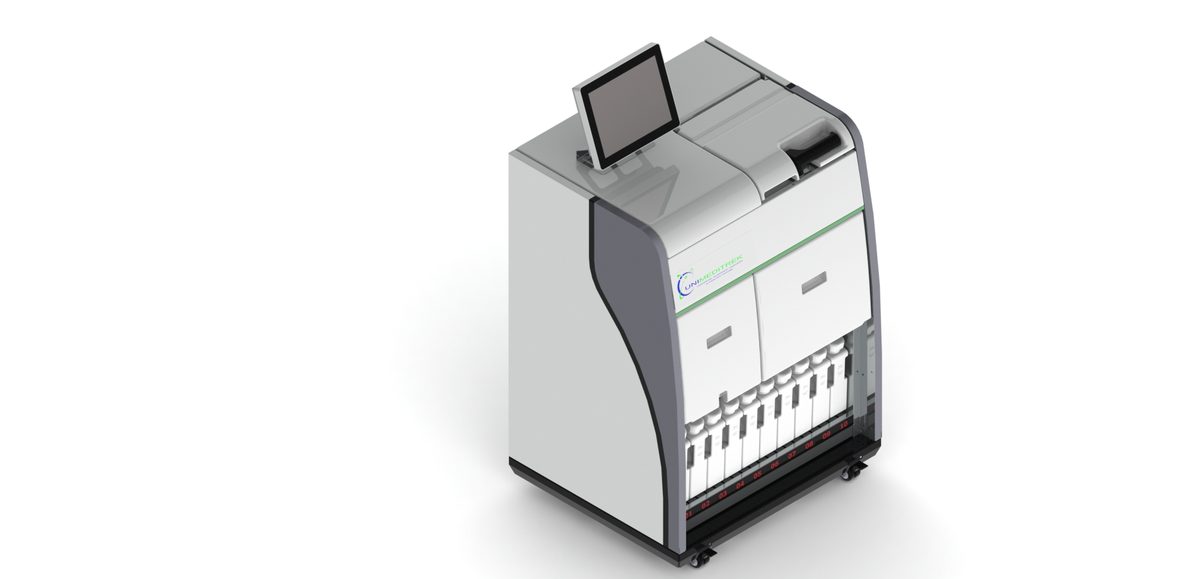
A tissue processor is a sophisticated piece of equipment designed to automate the various steps involved in tissue processing. The key components include the retort or processing chamber, reagent reservoirs, a control panel, and a paraffin embedding station. Each component plays a crucial role in ensuring the tissue samples are processed correctly and efficiently. The retort or processing chamber is where the tissue samples are placed during the processing cycle. This chamber must maintain precise temperature and pressure conditions to ensure the tissues are adequately dehydrated, cleared, and infiltrated with paraffin. The reagent reservoirs hold the various chemicals used in the processing stages, such as alcohol for dehydration and xylene for clearing. These chemicals must be handled with care to avoid contamination and ensure consistent results. The control panel is the brain of the tissue processor, allowing technicians to program and monitor the processing cycles. Advanced tissue processors come with user-friendly interfaces and pre-set protocols, making it easier to standardize procedures and reduce human error. The paraffin embedding station is where the final step of embedding the tissue in paraffin wax takes place, ensuring the samples are ready for sectioning and microscopic examination.
Step-by-Step Guide to Operating a Tissue Processor
Operating a tissue processor involves several critical steps, each requiring meticulous attention to detail. The process begins with the fixation of tissue samples, typically in formalin, to preserve cellular structure and
prevent degradation. After fixation, the samples are placed in the processing cassettes and loaded into the tissue processor. The first step in the processing cycle is dehydration, where the tissue samples are gradually exposed to increasing concentrations of alcohol. This step removes water from the tissue, making it easier for the clearing agent to penetrate. Dehydration is followed by the clearing stage, where a reagent like xylene replaces the alcohol, making the tissue transparent and ready for paraffin infiltration. The final step is paraffin infiltration, where the tissue samples are exposed to molten paraffin wax. The wax permeates the tissue, providing a solid medium that supports the tissue structure during sectioning. After infiltration, the samples are transferred to the paraffin embedding station, where they are embedded in paraffin blocks, ready for microtomy and subsequent microscopic examination.
Common Challenges and Solutions in Tissue Processing
Tissue processing is a complex procedure that can present various challenges, which, if not addressed, can compromise the quality of the processed samples. One common issue is incomplete dehydration, which can lead to poor paraffin infiltration and result in tissue sections that are difficult to cut and stain. Ensuring that the dehydration step is adequately monitored and using fresh reagents can mitigate this problem. Another frequent challenge is tissue over-processing, where prolonged exposure to chemicals can cause tissue hardening and shrinkage. This issue can be avoided by adhering to optimized processing protocols and regularly calibrating the tissue processor to ensure accurate timing and reagent exposure. Additionally, using quality control measures such as running test samples can help identify and rectify over-processing issues. Contamination of reagents is another significant concern that can lead to inconsistent results and staining artifacts. Regular maintenance of the tissue processor, including cleaning and replacing reagents, is crucial to prevent contamination. Implementing stringent lab practices, such as wearing gloves and using sterile equipment, can also help maintain reagent purity and ensure high-quality tissue processing.
Essential Tips for Effective Tissue Processing Techniques
To achieve optimal results in tissue processing, it is essential to follow best practices and implement effective techniques. One crucial tip is to ensure proper fixation of tissue samples. Inadequate fixation can lead to poor preservation of cellular structures, making it difficult to obtain clear and accurate histological sections. Using the appropriate fixative and allowing sufficient fixation time is key to successful tissue processing. Another important technique is to carefully monitor and control the temperature and pressure conditions during the processing cycle. Variations in these parameters can affect the efficacy of dehydration, clearing, and paraffin infiltration steps. Modern tissue processors come equipped with advanced sensors and controls that allow for precise regulation of these conditions, ensuring consistent and reliable results. Finally, regular maintenance and calibration of the tissue processor are essential to ensure its optimal performance. This includes routine cleaning, replacing worn-out parts, and verifying the accuracy of the control panel settings. Keeping detailed maintenance logs and following the manufacturer’s recommendations can help extend the lifespan of the tissue processor and maintain the quality of processed samples.
Maintenance and Troubleshooting of Tissue Processors
Regular maintenance of tissue processors is crucial to ensure their longevity and reliable performance. This involves routine cleaning of the retort, reagent reservoirs, and paraffin embedding station to prevent build-up of residues that can contaminate samples. Using manufacturer-recommended cleaning solutions and following the specific cleaning protocols can help maintain the integrity of the tissue processor. In addition to regular cleaning, replacing worn-out parts such as gaskets, seals, and filters is essential. These
components can wear out over time, leading to leaks, pressure imbalances, and reagent contamination. Keeping an inventory of spare parts and performing periodic inspections can help identify and address these issues before they escalate. Troubleshooting common issues such as processing delays, incomplete dehydration, or paraffin infiltration problems requires a systematic approach. Reviewing the processing logs, checking for any error messages on the control panel, and verifying the condition of reagents can help identify the root cause of the problem. Consulting the manufacturer’s troubleshooting guide or seeking technical support can also provide valuable insights and solutions.
Innovations in Tissue Processing Technology
The field of tissue processing is continually evolving, with new technologies and innovations enhancing the efficiency and accuracy of the process. One significant advancement is the development of fully automated tissue processors that offer seamless integration of all processing steps. These machines come equipped with sophisticated software that allows for customizable protocols, real-time monitoring, and remote access, making tissue processing more streamlined and efficient. Another notable innovation is the use of microwave-assisted tissue processing, which significantly reduces processing times without compromising the quality of the samples. Microwave technology accelerates the dehydration, clearing, and paraffin infiltration steps, making it possible to process tissue samples in a fraction of the time required by conventional methods. This technology is particularly beneficial in clinical settings where rapid turnaround times are critical. Advancements in reagent formulations have also contributed to improved tissue processing. New-generation reagents are designed to be more efficient, reducing the risk of tissue damage and enhancing the clarity and quality of histological sections. These reagents are often safer to handle and environmentally friendly, aligning with the increasing focus on sustainability in laboratory practices.
Best Practices for Training Staff on Tissue Processors
Training staff on the proper use and maintenance of tissue processors is essential to ensure consistent and high-quality results. A comprehensive training program should include both theoretical and hands-on components, covering the principles of tissue processing, the operation of the tissue processor, and troubleshooting common issues. Hands-on training is particularly important, as it allows staff to familiarize themselves with the equipment and develop the necessary skills to operate it efficiently. Simulating real-world scenarios and providing opportunities for practice can help build confidence and competence. Additionally, creating user manuals and quick reference guides can serve as valuable resources for staff to refer to when needed. Continuous education and training updates are also crucial, especially with the introduction of new technologies and protocols. Regular workshops, seminars, and online courses can help staff stay current with the latest advancements in tissue processing. Encouraging a culture of continuous learning and providing opportunities for professional development can enhance the overall performance and efficiency of the lab.
Conclusion: Elevating Your Tissue Processing Skills
Mastering tissue processors and the associated techniques is fundamental to achieving high-quality histopathological results. By understanding the importance of proper tissue processing, familiarizing oneself with the key components of a tissue processor, and following a step-by-step guide to operating the equipment, lab technicians and pathologists can ensure the integrity and clarity of tissue samples. Addressing common challenges, implementing effective tissue processing techniques, and maintaining the tissue processor are essential practices that contribute to consistent and reliable outcomes. Staying abreast of innovations in tissue processing technology and providing comprehensive training for staff further enhance
the efficiency and accuracy of the process. Ultimately, by elevating tissue processing skills, laboratories can improve diagnostic accuracy, reduce turnaround times, and contribute to better patient care and medical research. Investing in quality equipment, continuous education, and adherence to best practices are key to mastering tissue processors and achieving excellence in histopathology.
FAQs
How can I get consistent results from a tissue processor?
Use programmable, repeatable cycles, manage reagents by actual throughput (not by eye), and keep a documented maintenance and reagent-change log.
What protects specimens during a power failure?
An automatic tissue processor with a built-in UPS holds the cycle through a power cut so an overnight run is not lost.
Prepared and reviewed by the Unimeditrek technical team based on laboratory practice, installation and service experience. This document explains histopathology workflow, laboratory practice and equipment based on the questions we hear from hospitals, medical colleges and diagnostic laboratories — vendor-neutral where it explains the science and practical where it explains equipment.
Prepared by Unimeditrek Pvt. Ltd.. For product specifications and quotations, contact our team.