Home › Knowledge › Tissue Processing Troubleshooting: Causes of Poor Paraffin Infiltration
Knowledge articleTissue Processing Troubleshooting: Causes of Poor Paraffin Infiltration
Identifying and Resolving Issues in Histopathology
Understanding Paraffin Infiltration in Histopathology
Paraffin infiltration is a crucial step in tissue processing for histopathology. It involves replacing the alcohol in fixed tissues with paraffin wax, which provides support for thin sectioning. Poor infiltration can lead to incomplete embedding, resulting in compromised tissue integrity and diagnostic accuracy. Understanding the causes of poor paraffin infiltration is essential for histopathologists and laboratory technicians.
Common Causes of Poor Paraffin Infiltration
- Inadequate Dehydration: Insufficient dehydration of tissue samples can prevent proper paraffin infiltration. Tissues must be completely dehydrated to allow the wax to penetrate effectively.
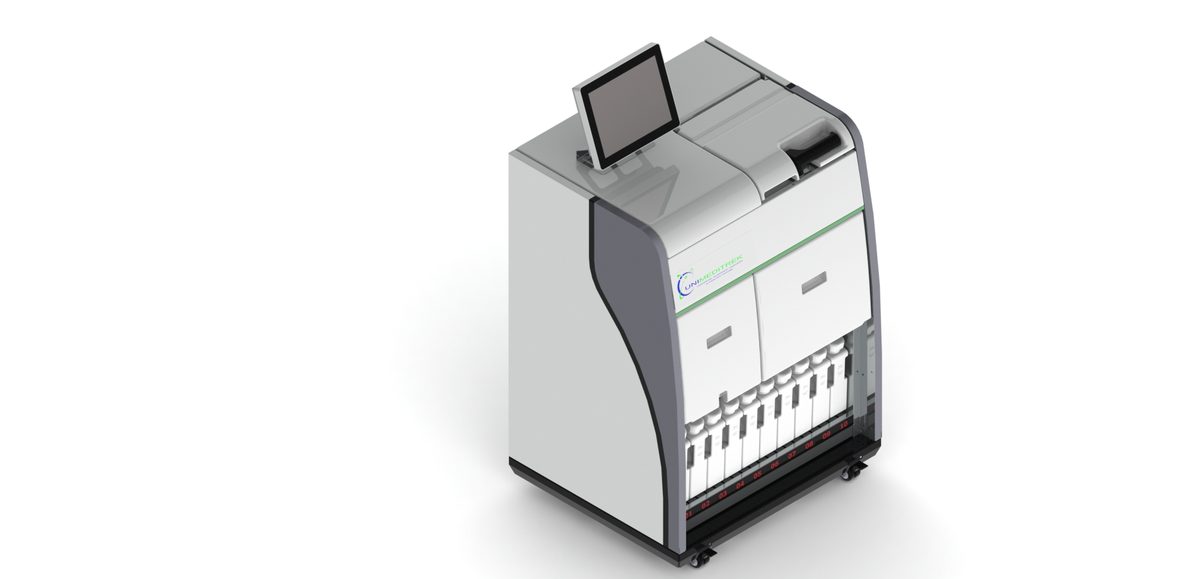
- Improper Vacuum Application: The use of an Automatic Vacuum Tissue Processor is vital for enhancing paraffin infiltration. If the vacuum is not applied correctly, air pockets may form, hindering wax penetration.
- Low Quality of Paraffin: The quality of paraffin wax used can significantly affect infiltration. Low-quality wax may have a high melting point or poor fluidity, leading to incomplete infiltration.
- Inadequate Infiltration Time: Each tissue type has specific infiltration time requirements. Rushing this step can lead to inadequate infiltration, particularly in dense tissues.
- Temperature Issues: Paraffin should be maintained at an optimal temperature to ensure it remains liquid. If the temperature is too low, the paraffin may solidify before fully infiltrating the tissue.
Solutions to Enhance Paraffin Infiltration
To address the issues of poor paraffin infiltration, consider implementing the following solutions:
- Optimize Dehydration Protocols: Ensure that tissues are adequately dehydrated using a series of ethanol solutions before paraffin infiltration.
- Utilize Automatic Vacuum Tissue Processors: Invest in reliable equipment like the Automatic Vacuum Tissue Processor to create a vacuum that eliminates air pockets and enhances wax penetration.
- Choose High-Quality Paraffin: Select paraffin wax with appropriate melting characteristics to facilitate better infiltration and support.
- Adjust Infiltration Times: Follow established protocols for infiltration times based on tissue type to ensure thorough paraffin penetration.
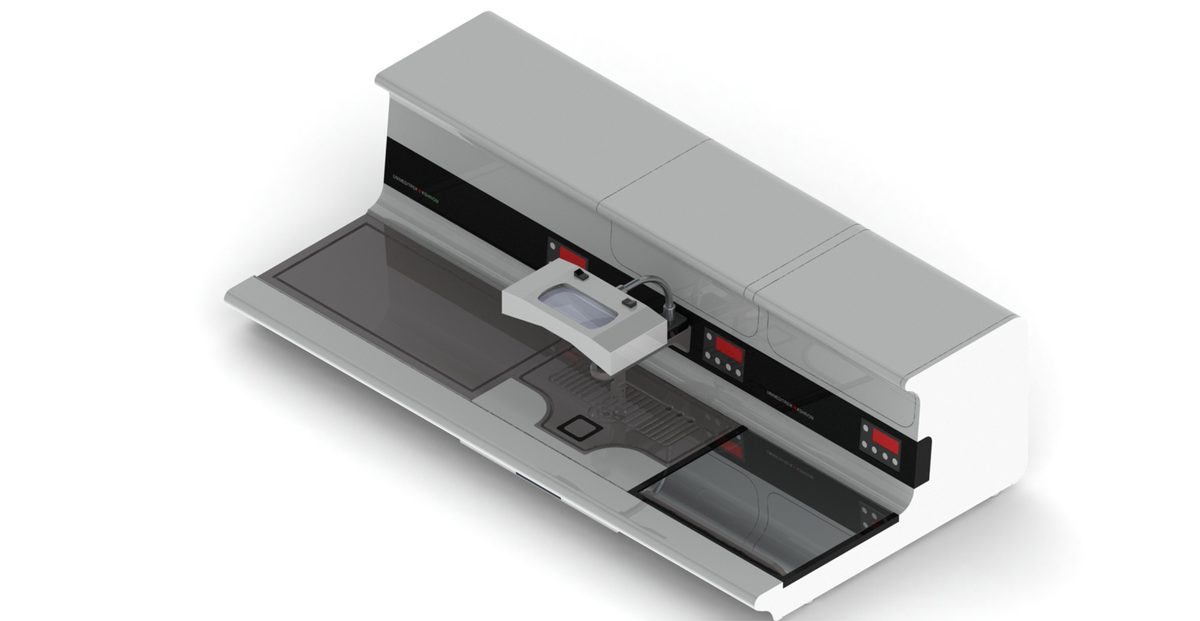
- Monitor Temperature: Use a Digital Tissue Floatation Bath to maintain the paraffin at the correct temperature, preventing premature solidification.
Importance of Proper Embedding Techniques
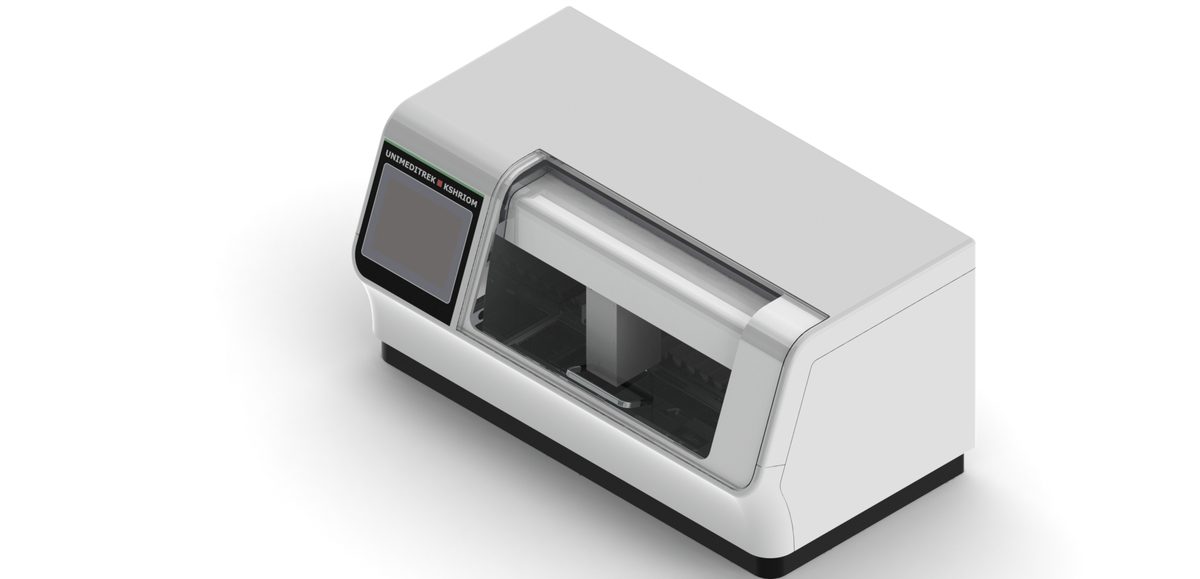
Once infiltration is complete, proper embedding techniques are essential for optimal sectioning. The use of a Tissue Embedding Station ensures that tissues are oriented correctly and embedded in the right position, facilitating easier sectioning and better quality slides.
Practical Takeaway
Addressing the causes of poor paraffin infiltration is critical for producing high-quality histopathological specimens. By optimizing dehydration, utilizing advanced equipment like the Automatic Vacuum Tissue Processor, and adhering to proper protocols, laboratories can significantly enhance the quality of their tissue samples.
FAQs
What is the role of vacuum in paraffin infiltration?
Vacuum helps eliminate air pockets in the tissue, allowing paraffin to penetrate more effectively.
How can I improve tissue quality during embedding?
Ensure proper infiltration time and use a Tissue Embedding Station for accurate positioning.
Prepared and reviewed by the Unimeditrek technical team based on laboratory practice, installation and service experience. This document explains histopathology workflow, laboratory practice and equipment based on the questions we hear from hospitals, medical colleges and diagnostic laboratories — vendor-neutral where it explains the science and practical where it explains equipment.
Prepared by Unimeditrek Pvt. Ltd.. For product specifications and quotations, contact our team.