Home › Knowledge › Tissue Embedding Station in Daily Histopathology
Use caseTissue Embedding Station in Daily Histopathology
Streamlining Sample Preparation in Laboratories
Introduction to Tissue Embedding in Histopathology
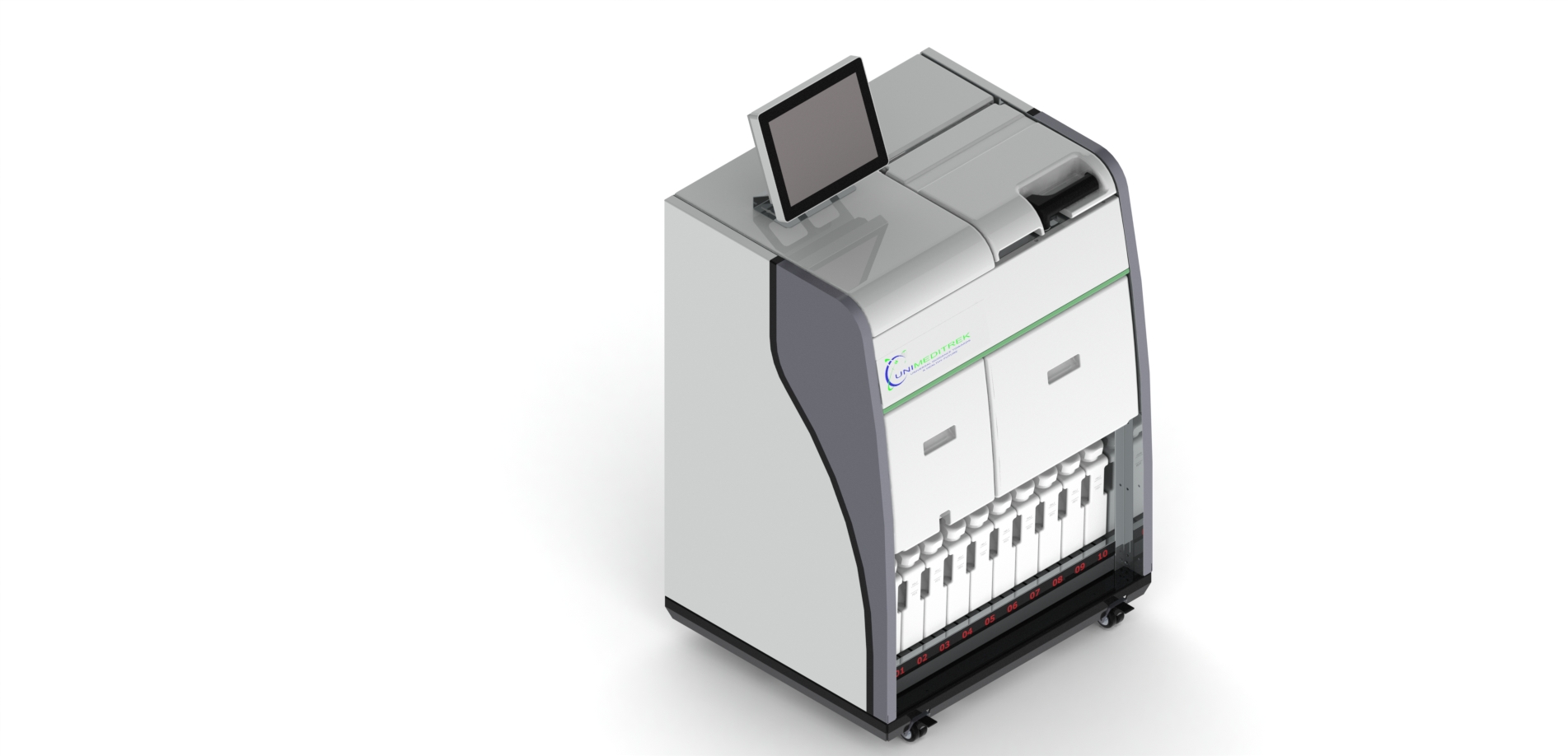
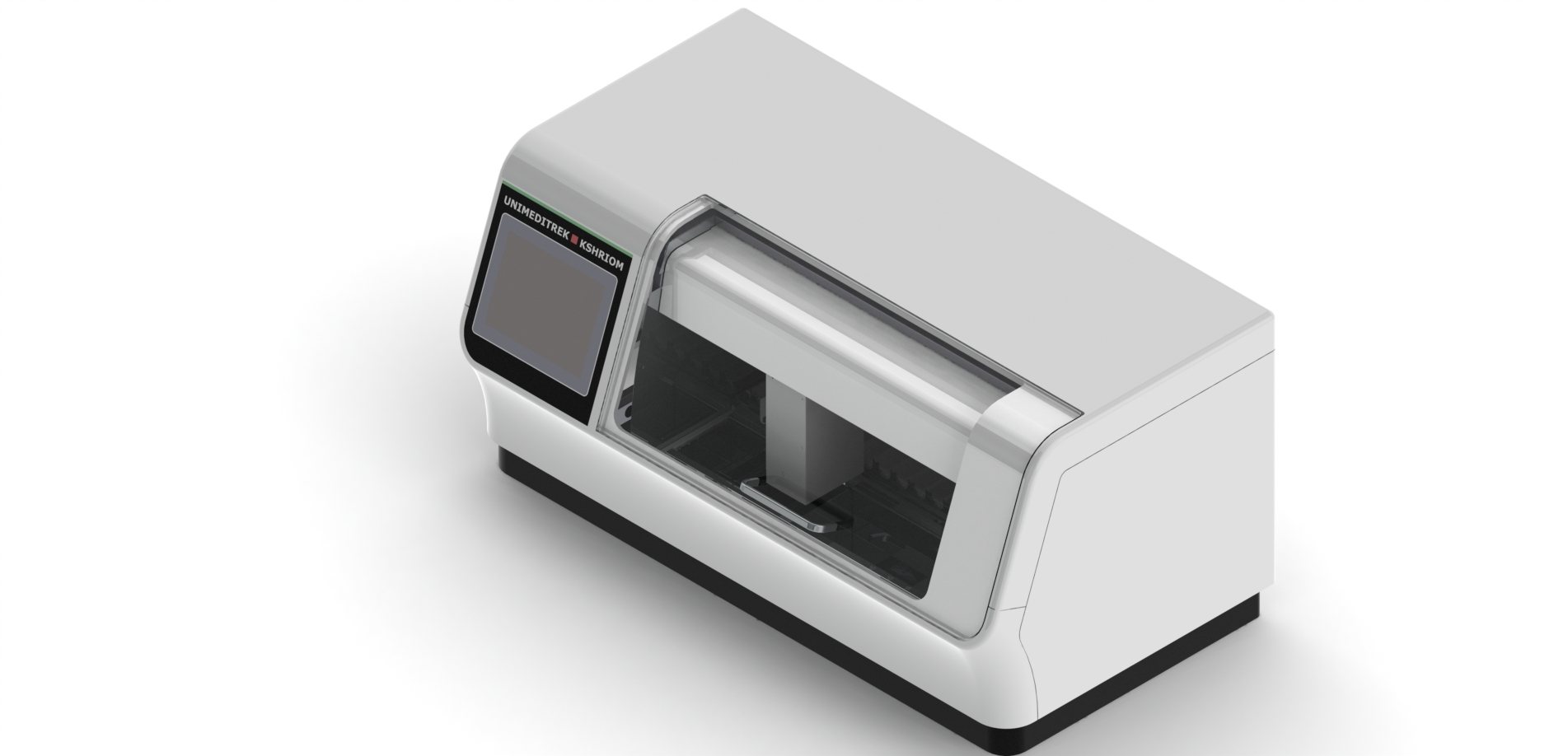
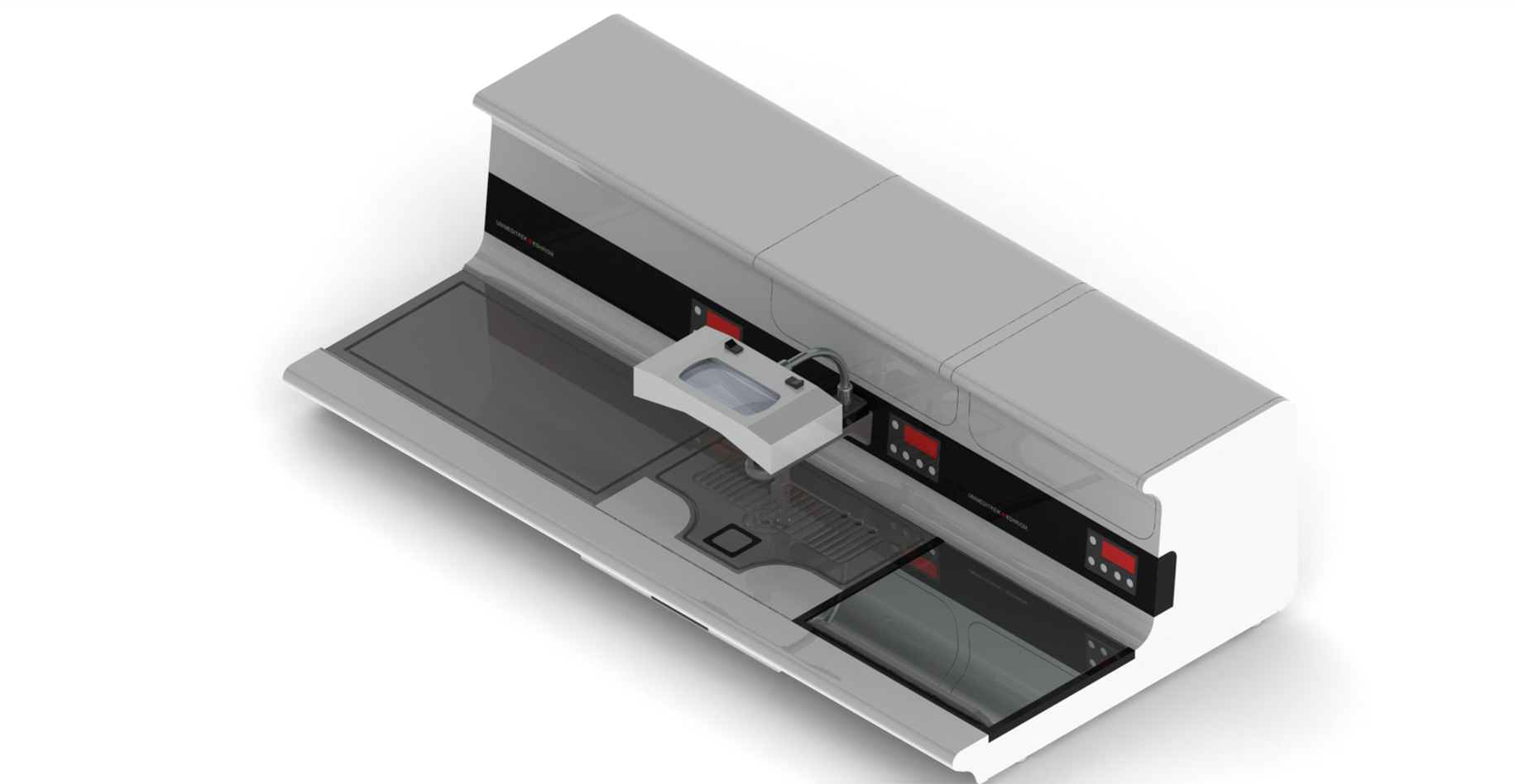
Tissue embedding is a critical step in histopathology that involves the preparation of biological specimens for microscopic examination. The Tissue Embedding Station is a vital piece of equipment that streamlines this process, ensuring that samples are embedded in a medium that preserves their structure for accurate analysis.
Daily Operations in a Histopathology Laboratory
In a typical histopathology lab, the day begins with the collection and processing of tissue samples. Once the samples are fixed, they need to be dehydrated, cleared, and infiltrated with paraffin wax. The Tissue Embedding Station plays a pivotal role during this phase, providing a controlled environment where pathologists can embed samples efficiently.
Step-by-Step Use of the Tissue Embedding Station
- Dehydration: After fixation, samples are placed in a series of alcohol solutions to remove water.
- Clearing: The samples are then treated with a clearing agent, such as xylene, to eliminate alcohol.
- Infiltration: The samples are infiltrated with molten paraffin wax, which replaces the clearing agent.
- Embedding: Finally, the samples are placed in molds and filled with paraffin wax, which solidifies to preserve the tissue structure.
Benefits of Using the Tissue Embedding Station
The use of a Tissue Embedding Station significantly enhances the efficiency and accuracy of the embedding process. Here are some key benefits:
- Consistency: The station provides a uniform temperature and environment, ensuring consistent embedding across samples.
- Increased Throughput: Automated features allow for quicker processing of multiple samples, which is essential in high-volume labs.
- Improved Safety: Modern Tissue Embedding Stations are designed with safety features that minimize exposure to hazardous chemicals, protecting laboratory personnel.
Challenges and Solutions in Sample Preparation
While the Tissue Embedding Station streamlines many processes, challenges can still arise. For instance, improper infiltration can lead to poor sample quality. To address this, it is crucial to regularly maintain the equipment and ensure that the paraffin wax is of high quality. Additionally, staff training on the operation of the embedding station is essential to minimize errors.
Practical Takeaway
In conclusion, the Tissue Embedding Station is an indispensable tool in histopathology laboratories, enhancing the efficiency and accuracy of tissue sample preparation. By investing in quality equipment and providing proper training, laboratories can ensure high-quality results that ultimately contribute to better patient outcomes.
FAQs
What is a Tissue Embedding Station?
A Tissue Embedding Station is a specialized piece of equipment used in histopathology to prepare tissue samples for microscopic examination by embedding them in paraffin wax.
How does a Tissue Embedding Station improve efficiency?
It automates and standardizes the embedding process, allowing for faster sample processing and reducing the risk of human error.
Prepared and reviewed by the Unimeditrek technical team based on laboratory practice, installation and service experience. This document explains histopathology workflow, laboratory practice and equipment based on the questions we hear from hospitals, medical colleges and diagnostic laboratories — vendor-neutral where it explains the science and practical where it explains equipment.
Prepared by Unimeditrek Pvt. Ltd.. For product specifications and quotations, contact our team.