Home › Knowledge › Tissue Embedding Station: Daily Use in Histopathology Labs
Use caseTissue Embedding Station: Daily Use in Histopathology Labs
Streamlining Tissue Preparation Processes
Introduction to Tissue Embedding Stations
The Tissue Embedding Station is an essential piece of equipment in histopathology laboratories, facilitating the preparation of tissue samples for microscopic examination. By providing a controlled environment for embedding, it ensures consistency and quality in the histological process, which is critical for accurate diagnoses.
Daily Workflow in a Histopathology Lab
In a typical histopathology lab, the day begins with the collection of tissue samples from various sources, including surgeries and biopsies. Once the samples are fixed in formalin, the embedding process commences. The Tissue Embedding Station plays a crucial role in this workflow.
Technicians start by dehydrating the samples through a series of alcohol baths. After dehydration, the samples are cleared using a clearing agent, such as xylene, before being infiltrated with molten paraffin wax. The Tissue Embedding Station maintains the paraffin at a constant temperature, ensuring it remains in a liquid state for easy infiltration.
Embedding Process
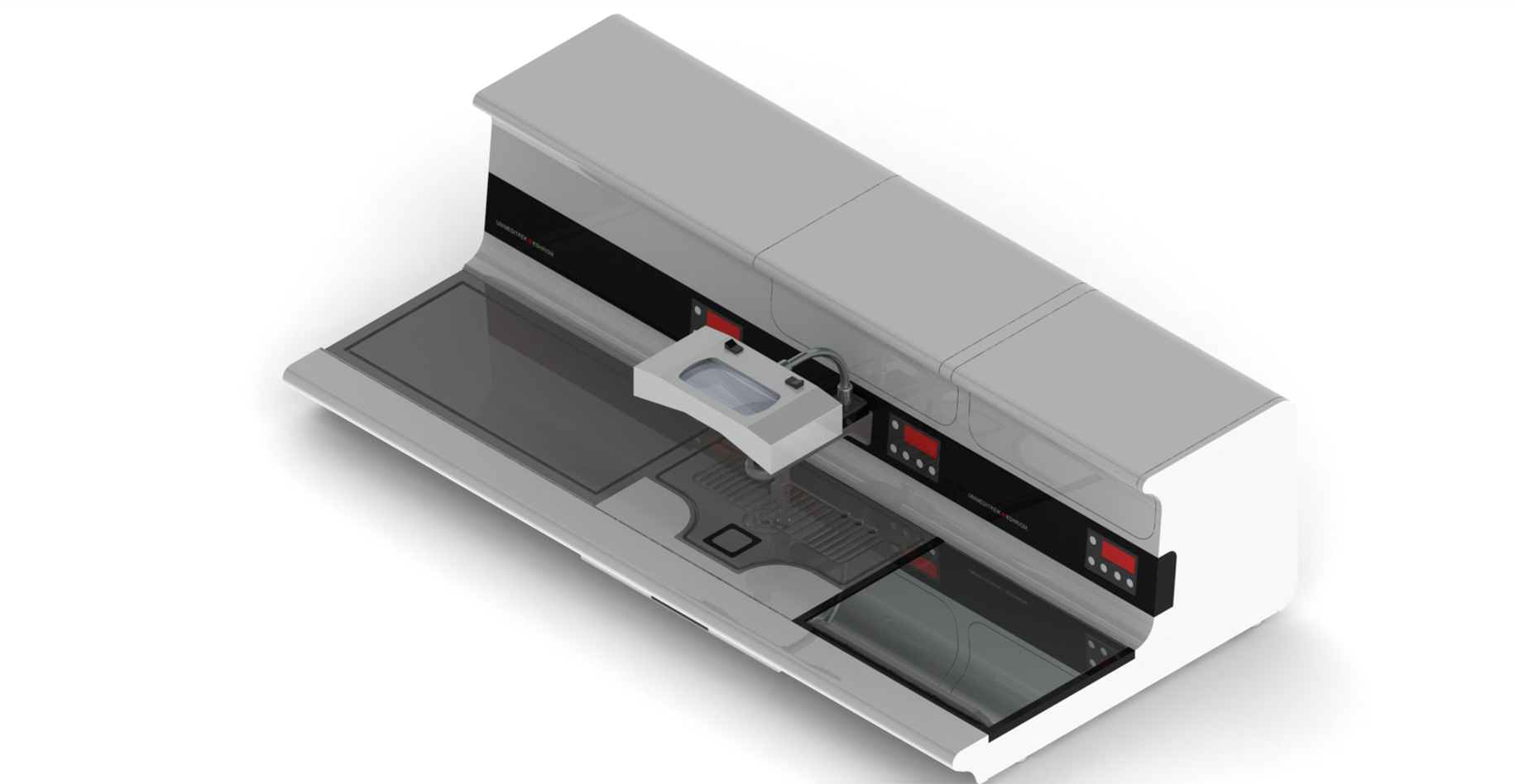
Once the samples are adequately infiltrated, technicians utilize the embedding molds available in the Tissue Embedding Station. The molds are filled with paraffin, and the tissue samples are placed in the desired orientation. This step is crucial as it determines how the tissue will be sectioned later. The station's heated surface ensures that the paraffin remains pliable, allowing for precise positioning of the tissue.
After placing the samples, the paraffin is allowed to cool and solidify, forming a solid block that encapsulates the tissue. The Tissue Embedding Station often features a cooling plate that accelerates this process, ensuring that the samples are ready for sectioning in a timely manner.
Quality Control and Efficiency
The use of a Tissue Embedding Station not only enhances the quality of the embedded samples but also improves the overall efficiency of the lab. By centralizing the embedding process, it reduces the risk of contamination and errors that can occur when samples are handled manually. Additionally, the ergonomic design of modern Tissue Embedding Stations minimizes strain on technicians, promoting a safer working environment.
Practical Takeaway
Implementing a Tissue Embedding Station in histopathology labs streamlines the embedding process, enhances sample quality, and improves overall efficiency. For labs looking to optimize their workflow, investing in this equipment is a step towards achieving consistent, high-quality histological results.
FAQs
What is the purpose of a Tissue Embedding Station?
The Tissue Embedding Station is used to prepare tissue samples for microscopic examination by embedding them in paraffin wax.
How does the Tissue Embedding Station improve efficiency?
It centralizes the embedding process, reduces contamination risks, and allows for ergonomic handling, thus enhancing overall laboratory efficiency.
Prepared and reviewed by the Unimeditrek technical team based on laboratory practice, installation and service experience. This document explains histopathology workflow, laboratory practice and equipment based on the questions we hear from hospitals, medical colleges and diagnostic laboratories — vendor-neutral where it explains the science and practical where it explains equipment.
Prepared by Unimeditrek Pvt. Ltd.. For product specifications and quotations, contact our team.