Home › Knowledge › The Importance of Reagent Management in Tissue Processing
Knowledge articleThe Importance of Reagent Management in Tissue Processing
Enhancing efficiency and accuracy in histopathology labs
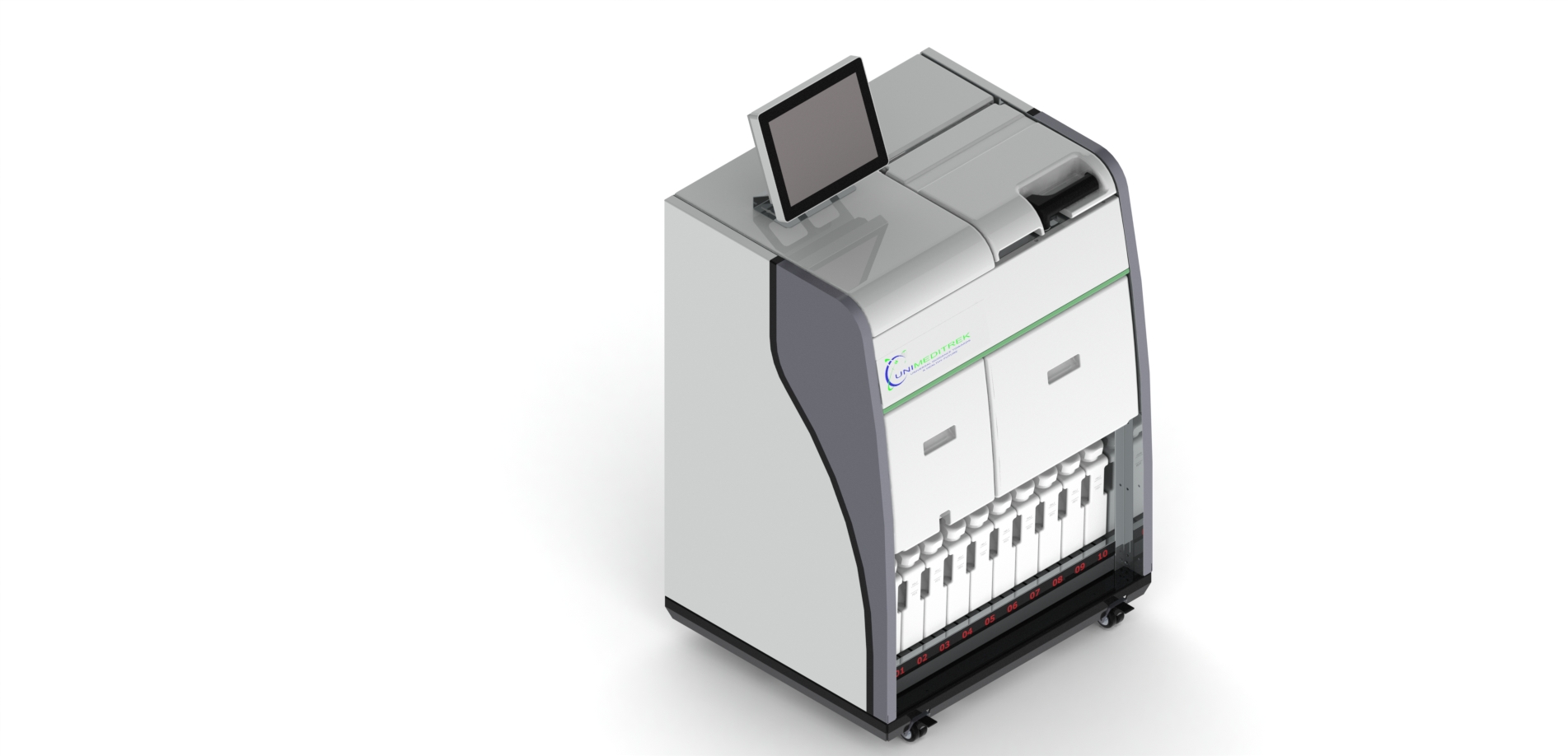 Automatic Tissue Processor — Unimeditrek" style="max-width:100%;border-radius:10px"/>
Understanding Reagent Management
Reagent management is a critical aspect of histopathology that directly impacts the quality of tissue processing. In a laboratory setting, reagents are the chemical substances used to prepare and preserve tissue samples for examination. Proper management of these reagents ensures that they are used efficiently, stored correctly, and replaced timely, which is essential for maintaining the integrity of the samples and the accuracy of the results.
In a tissue processor, reagents such as fixatives, dehydrating agents, clearing agents, and embedding media play vital roles in preparing tissue samples. Each reagent has specific properties that contribute to the overall processing workflow. Therefore, understanding the characteristics and handling requirements of these reagents is fundamental for laboratory personnel to ensure optimal performance of the tissue processor.
Impact on Sample Quality
The quality of reagents directly influences the quality of the processed tissue samples. If reagents are expired, contaminated, or improperly stored, they can adversely affect the processing outcomes. For instance, an inadequate fixative can lead to poor preservation of cellular morphology, making it difficult for pathologists to diagnose conditions accurately. Additionally, improper dehydration or clearing can result in artifacts that obscure important histological details.
Moreover, consistent reagent management helps in minimizing variability in results. When reagents are managed correctly, labs can ensure that every batch of samples is processed under the same conditions, leading to more reliable and reproducible results. This is particularly important in diagnostic labs where accurate results are paramount for patient care.
Economic Efficiency
Effective reagent management not only enhances sample quality but also contributes to the economic efficiency of the laboratory. By keeping track of reagent usage and implementing a first-in, first-out system, labs can minimize waste and reduce costs associated with purchasing new reagents. This is especially relevant in a high-throughput environment where reagent consumption can be significant.
Moreover, regular audits of reagent inventory can help identify which reagents are used frequently and which are underutilized. This insight allows labs to make informed decisions regarding bulk purchases or changes in reagent types, ultimately leading to cost savings. When labs optimize their reagent management practices, they can allocate resources more effectively, ensuring that they meet operational demands without overspending.
Regulatory Compliance and Safety
In histopathology labs, compliance with regulatory standards is essential for ensuring safety and quality. Proper reagent management is a key component of maintaining compliance with these regulations. Laboratories must adhere to guidelines regarding the storage, handling, and disposal of hazardous reagents to protect staff and the environment.
Additionally, maintaining accurate records of reagent usage and safety data sheets (SDS) is crucial. This documentation not only aids in compliance but also serves as a reference for laboratory personnel in case of emergencies. By fostering a culture of safety and compliance through effective reagent management, laboratories can ensure a safe working environment while also upholding the integrity of their processing procedures.
Training and Best Practices
To maximize the benefits of reagent management, training laboratory personnel on best practices is essential. Staff should be well-versed in the proper handling and storage of reagents, as well as the importance of monitoring expiration dates and contamination risks. Regular training sessions can reinforce these practices and keep the team informed about any updates in reagent technology or safety protocols.
Implementing a standardized procedure for reagent management can also enhance efficiency. This includes clearly labeling reagents, maintaining an organized storage system, and conducting routine inventory checks. By establishing a systematic approach, labs can ensure that all personnel are aligned in their practices, leading to improved outcomes in tissue processing.
Practical Takeaway
In conclusion, effective reagent management is a cornerstone of successful tissue processing in histopathology labs. By prioritizing the quality, economic efficiency, regulatory compliance, and training related to reagents, laboratories can enhance the accuracy of their diagnostic results while ensuring a safe and efficient working environment. Implementing these practices will ultimately lead to better patient outcomes and a more streamlined laboratory operation.
FAQs
What are the key reagents used in tissue processing?
The key reagents used in tissue processing include fixatives, dehydrating agents, clearing agents, and embedding media, each playing a crucial role in preparing samples.
How can I ensure the quality of reagents in my lab?
To ensure the quality of reagents, regularly check expiration dates, store them according to manufacturer guidelines, and maintain a clean and organized inventory.
What are the consequences of poor reagent management?
Poor reagent management can lead to compromised sample quality, inaccurate diagnostic results, increased costs due to waste, and potential safety hazards.
Prepared and reviewed by the Unimeditrek technical team based on laboratory practice, installation and service experience. This document explains histopathology workflow, laboratory practice and equipment based on the questions we hear from hospitals, medical colleges and diagnostic laboratories — vendor-neutral where it explains the science and practical where it explains equipment.
Prepared by Unimeditrek Pvt. Ltd.. For product specifications and quotations, contact our team.