Home › Knowledge › The Importance of Cold-Plate Discipline in Sectioning Quality
Knowledge articleThe Importance of Cold-Plate Discipline in Sectioning Quality
Enhancing histopathology with effective embedding techniques
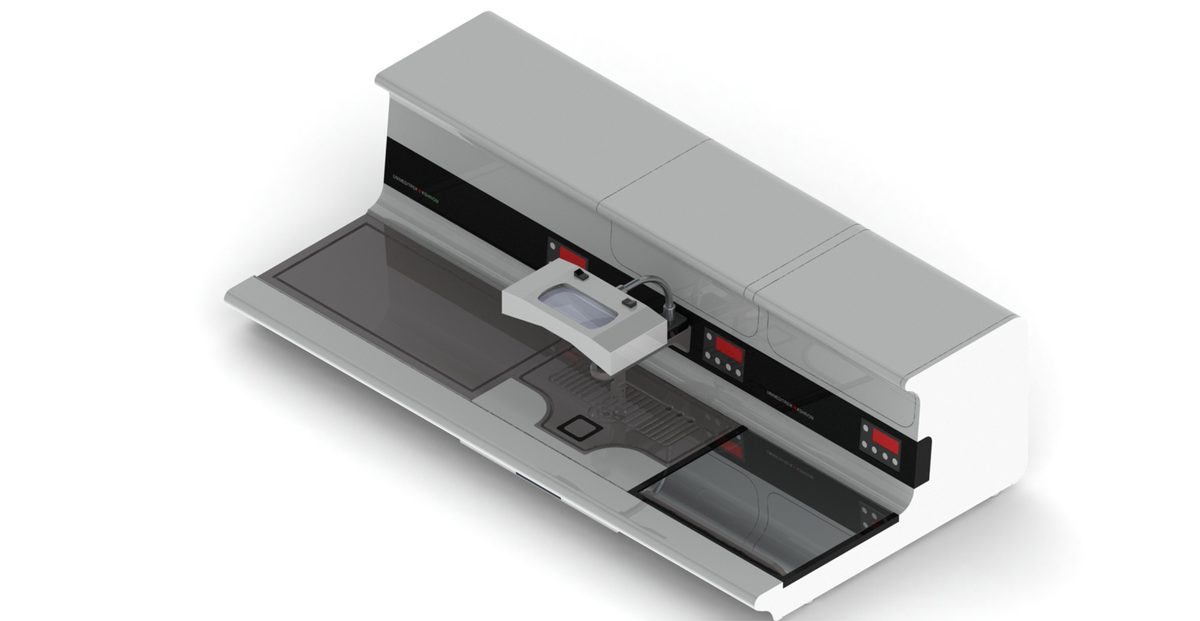
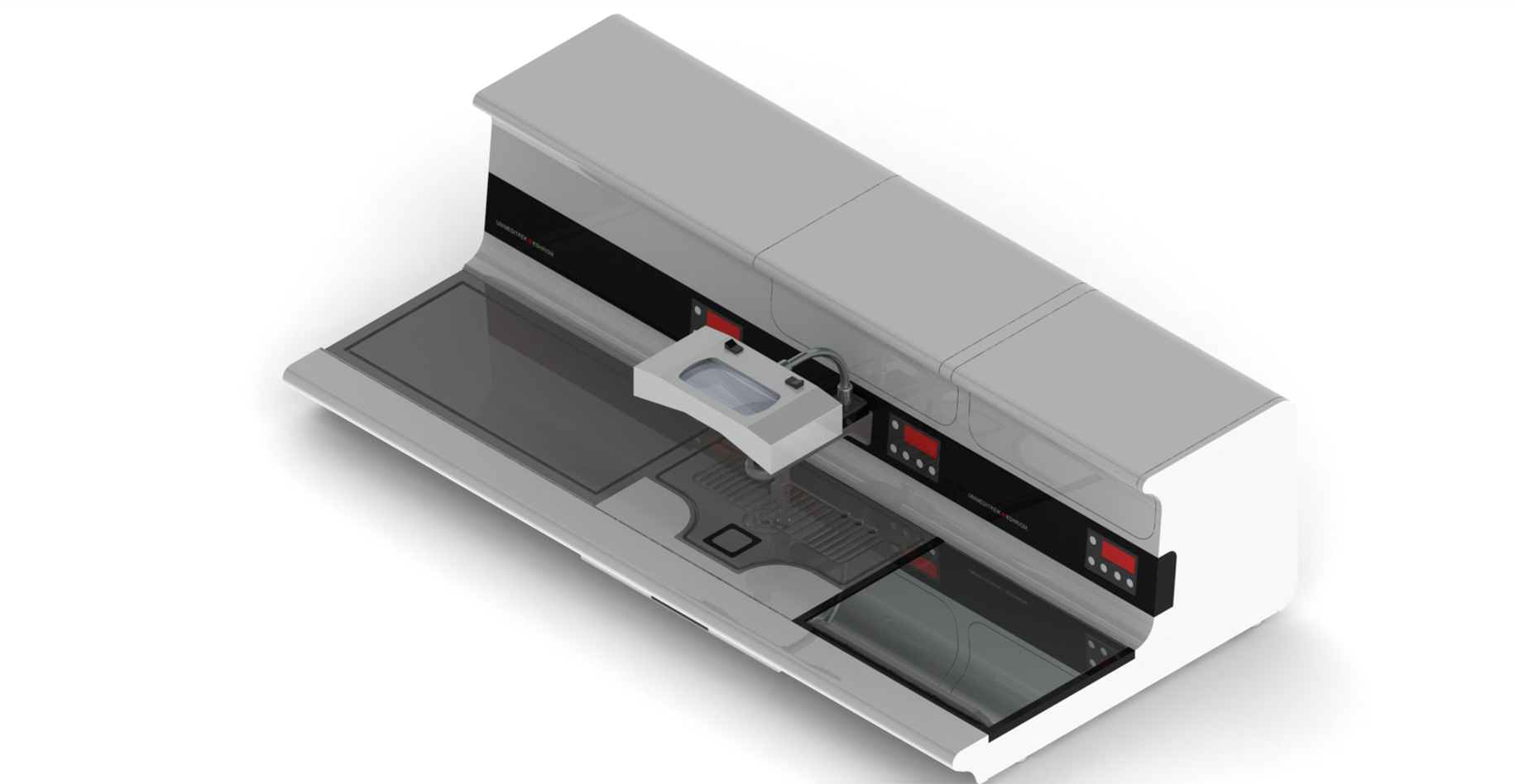 Tissue Embedding Station — Unimeditrek" style="max-width:100%;border-radius:10px"/>
Understanding Cold-Plate Discipline
Cold-plate discipline refers to the practice of maintaining a consistently low temperature during the embedding process in histopathology. This technique is crucial for ensuring that tissue samples are properly embedded, allowing for high-quality microtome sections. When tissues are embedded at lower temperatures, they become firmer, which aids in achieving thinner and more even sections. This discipline is particularly important for delicate tissues that may be prone to distortion or damage if not handled correctly.
In the context of a tissue embedder, the cold plate serves as a critical component that helps maintain the necessary temperature throughout the embedding process. By keeping the embedding medium cold, histopathologists can ensure that the tissue samples retain their structural integrity, which is vital for accurate diagnosis and research. The cold plate effectively minimizes the risk of thermal damage, which can lead to artifacts that obscure the true morphology of the tissue.
The Role of Temperature in Tissue Embedding
Temperature plays a pivotal role in the embedding process. High temperatures can cause the embedding medium to become too fluid, resulting in inadequate support for the tissue. This can lead to issues such as uneven cutting, tearing, or compression of the tissue sections. Conversely, maintaining a cold environment allows the embedding medium to solidify quickly, providing the necessary rigidity for precise sectioning.
Moreover, the temperature of the cold plate is instrumental in controlling the polymerization of the embedding medium. Many embedding materials, such as paraffin, have specific temperature ranges within which they perform optimally. By adhering to cold-plate discipline, histopathologists can ensure that the embedding medium sets correctly, leading to a higher yield of quality sections. This is particularly beneficial when working with complex tissue types that require careful handling.
Implications for Sectioning Quality
The quality of tissue sections directly impacts the accuracy of histopathological diagnoses. When tissues are embedded correctly, using a cold plate, the resulting sections are more uniform and easier to handle. This uniformity is crucial for downstream processes such as staining and microscopic evaluation. Inconsistent or poorly cut sections can lead to misinterpretations, which may ultimately affect patient care.
Additionally, well-embedded tissues allow for better visualization of cellular structures and morphology under the microscope. This clarity is essential for identifying pathological changes, making accurate diagnoses, and guiding treatment decisions. Therefore, investing time in maintaining cold-plate discipline during the embedding process is not merely a procedural step; it is a fundamental practice that enhances the overall quality of histopathological work.
Best Practices for Maintaining Cold-Plate Discipline
To effectively implement cold-plate discipline, histopathology labs should consider a few best practices. First, it is essential to regularly monitor the temperature of the cold plate to ensure it remains within the optimal range for embedding. This can involve using calibrated thermometers or built-in temperature sensors that provide real-time feedback.
Secondly, lab technicians should be trained in the importance of quick embedding techniques. The longer the tissue is exposed to warmer temperatures, the greater the risk of thermal damage. Having a systematic approach to embedding can minimize this exposure. Finally, ensuring that the embedding medium is pre-cooled before use can further enhance the effectiveness of cold-plate discipline.
Conclusion and Practical Takeaway
In conclusion, cold-plate discipline is a critical factor in achieving high-quality sectioning in histopathology. By maintaining a consistently low temperature during the embedding process, histopathologists can ensure that tissue samples are properly supported, leading to precise and uniform sections. This practice not only enhances diagnostic accuracy but also contributes to better patient outcomes.
For labs utilizing a tissue embedder, implementing and adhering to cold-plate discipline can significantly improve the quality of histopathological work. Regular training, monitoring, and adherence to best practices will ensure that the embedding process remains efficient and effective.
FAQs
What is cold-plate discipline in histopathology?
Cold-plate discipline refers to the practice of maintaining low temperatures during tissue embedding to ensure proper support and quality of tissue sections.
How does temperature affect tissue embedding?
Temperature affects the viscosity and polymerization of the embedding medium; higher temperatures can lead to inadequate support and poor-quality sections.
What are the benefits of maintaining cold-plate discipline?
Maintaining cold-plate discipline leads to better tissue preservation, higher quality sections, and improved diagnostic accuracy in histopathology.
Prepared and reviewed by the Unimeditrek technical team based on laboratory practice, installation and service experience. This document explains histopathology workflow, laboratory practice and equipment based on the questions we hear from hospitals, medical colleges and diagnostic laboratories — vendor-neutral where it explains the science and practical where it explains equipment.
Prepared by Unimeditrek Pvt. Ltd.. For product specifications and quotations, contact our team.