Home › Knowledge › Standardizing Staining to Reduce Slide Repeats and Costs
White paperStandardizing Staining to Reduce Slide Repeats and Costs
A guide for histopathology labs
Introduction to Standardization in Histopathology
In the field of histopathology, achieving consistent staining results is vital for accurate diagnosis and research. Standardizing staining protocols not only enhances the reproducibility of results but also significantly reduces the incidence of repeat slides, thereby optimizing reagent usage and laboratory efficiency.
The Importance of Standardizing Staining Processes
Standardization in staining processes ensures that all samples are treated uniformly, minimizing variability caused by human error or equipment differences. This consistency leads to reliable results, which is crucial for patient diagnosis and treatment plans. By implementing standardized protocols, labs can also streamline their workflow, allowing for better resource management.
Key Equipment for Effective Staining Standardization
To achieve effective staining standardization, specific equipment plays a crucial role:
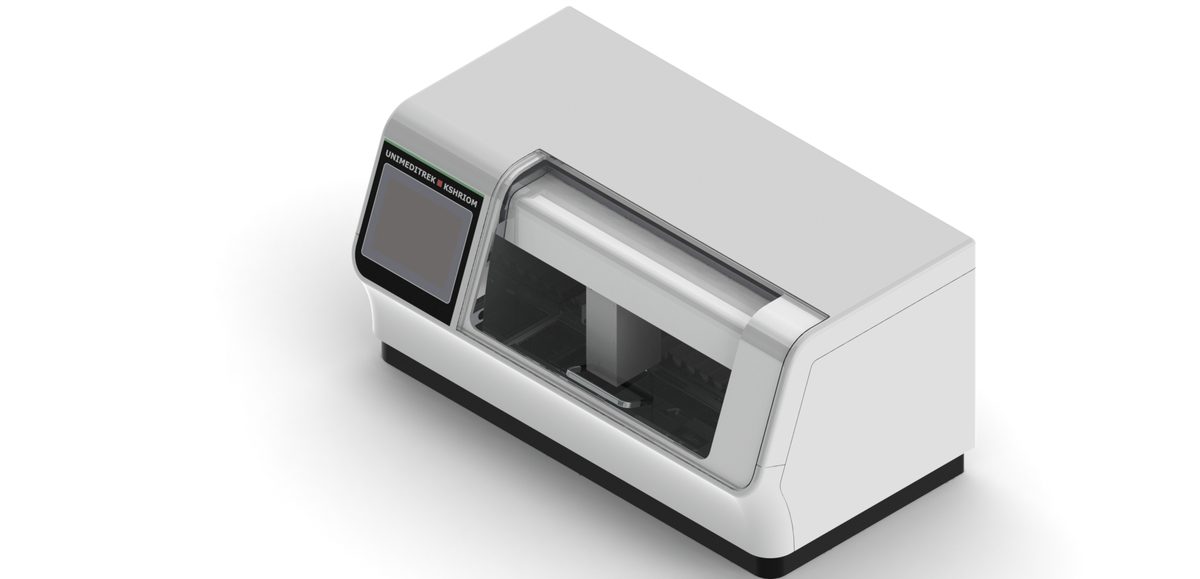
- Automatic Slide Staining Machine: This machine automates the staining process, ensuring uniform application of reagents across all slides, thus reducing variability.
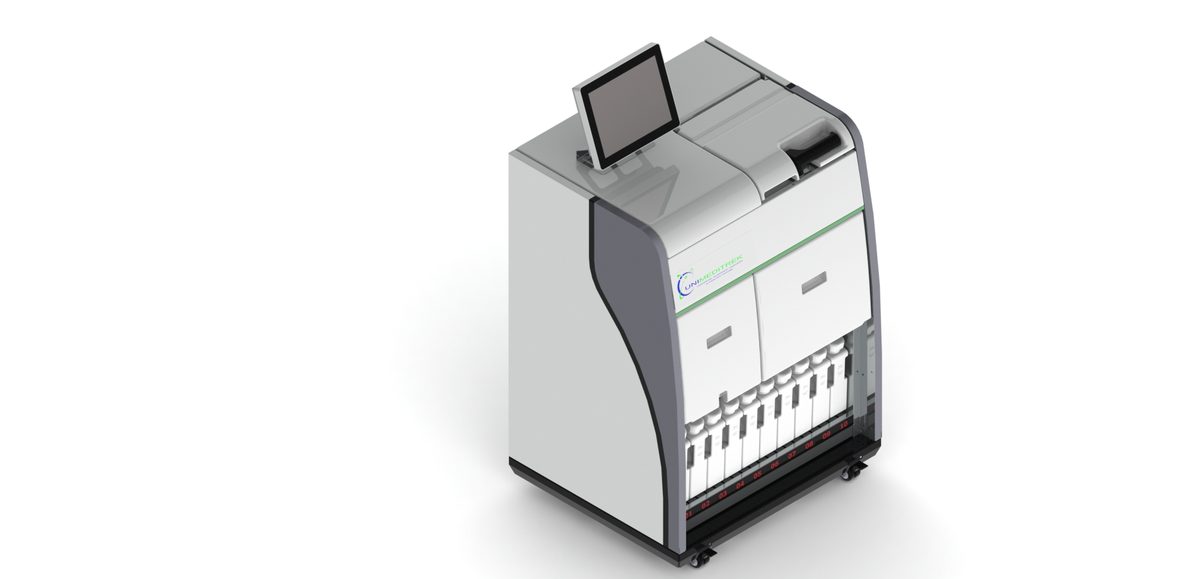
- Automatic Vacuum Tissue Processor: This equipment standardizes the processing of tissue samples, ensuring consistent infiltration and embedding, which are critical for high-quality staining.
- Tissue Embedding Station: By providing a controlled environment for embedding, this station helps maintain consistency in tissue orientation and sectioning.
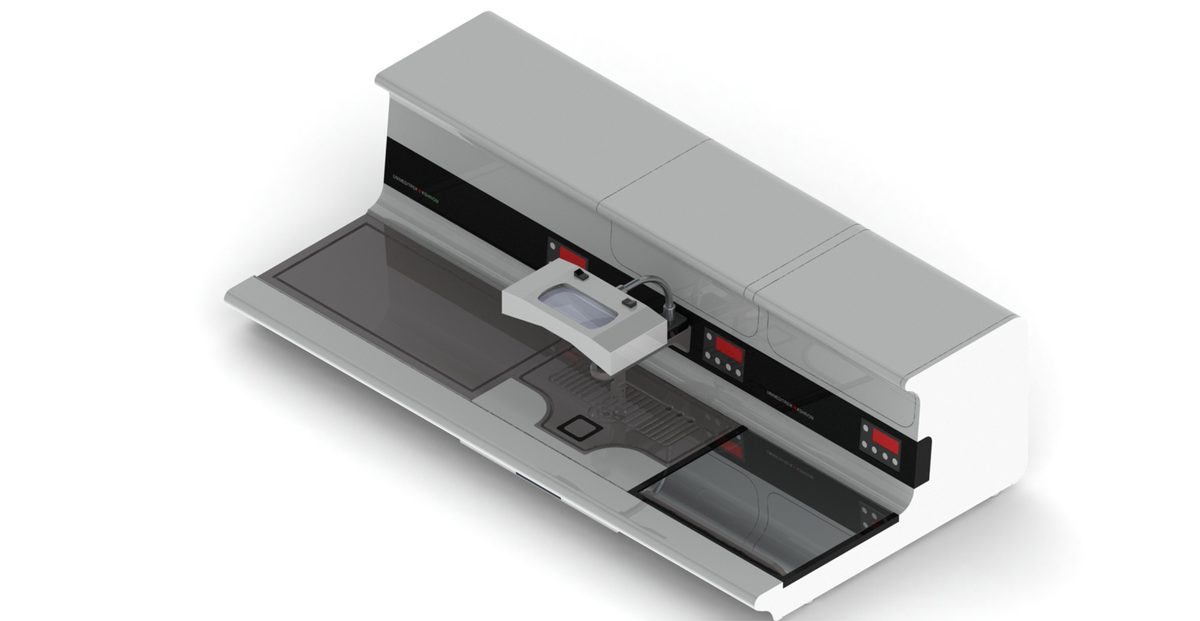
- Digital Tissue Floatation Bath: This bath allows for precise temperature control, which is essential for optimal section adhesion and staining results.
- Slide Warming Table: This tool ensures that slides are maintained at an optimal temperature, preventing issues such as uneven drying that can affect staining quality.
- Cryostat Microtome: This device allows for precise sectioning of frozen tissues, ensuring uniformity in thickness, which is critical for consistent staining.
Reducing Reagent Costs through Standardization
Standardizing staining protocols not only minimizes the number of repeat slides but also leads to substantial savings on reagents. By implementing a consistent approach, laboratories can optimize reagent usage, reducing waste and lowering overall costs. Additionally, with automated systems, the precise amount of reagents can be dispensed, further enhancing cost efficiency.
Practical Takeaway
Standardizing staining processes in histopathology labs is essential for improving accuracy, reducing repeat slides, and minimizing reagent costs. By investing in the right equipment, such as the Automatic Slide Staining Machine and Automatic Vacuum Tissue Processor, laboratories can enhance their operational efficiency and deliver reliable results consistently.
FAQs
What are the benefits of standardizing staining protocols?
Standardizing staining protocols improves reproducibility, reduces variability, and minimizes reagent costs.
Which equipment is essential for standardizing staining in histopathology?
Key equipment includes Automatic Slide Staining Machines, Automatic Vacuum Tissue Processors, and Tissue Embedding Stations.
Prepared and reviewed by the Unimeditrek technical team based on laboratory practice, installation and service experience. This document explains histopathology workflow, laboratory practice and equipment based on the questions we hear from hospitals, medical colleges and diagnostic laboratories — vendor-neutral where it explains the science and practical where it explains equipment.
Prepared by Unimeditrek Pvt. Ltd.. For product specifications and quotations, contact our team.