Home › Knowledge › Standardizing Staining to Reduce Slide and Reagent Costs
White paperStandardizing Staining to Reduce Slide and Reagent Costs
A Guide for Histopathology Labs
Understanding the Importance of Standardized Staining
In histopathology, staining is crucial for visualizing tissue structures and identifying pathological changes. However, inconsistent staining can lead to variations in slide quality, increasing the need for repeat slides and driving up reagent costs. Standardizing staining protocols helps eliminate variability, ensuring consistent results while optimizing resource use.
Key Benefits of Standardization
- Cost Efficiency: By reducing the number of repeat slides, labs can significantly lower reagent costs and improve overall budget management.
- Consistency in Results: Standardized protocols lead to uniform staining outcomes, aiding in accurate diagnosis and reducing the chances of misinterpretation.
- Streamlined Workflow: A consistent approach simplifies training for lab personnel, enhancing productivity and reducing errors.
Essential Equipment for Standardizing Staining
To effectively standardize staining processes, investing in high-quality equipment is essential. Here are some key products from Unimeditrek that can facilitate this:
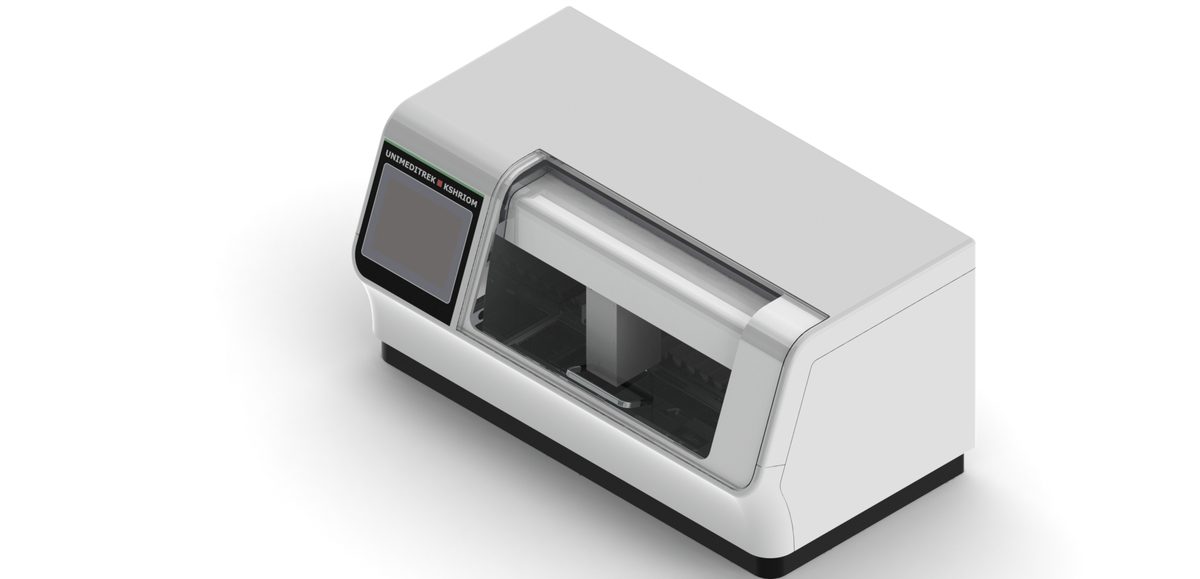
- Automatic Slide Staining Machine: This machine ensures precise and reproducible staining, reducing manual errors and variability.
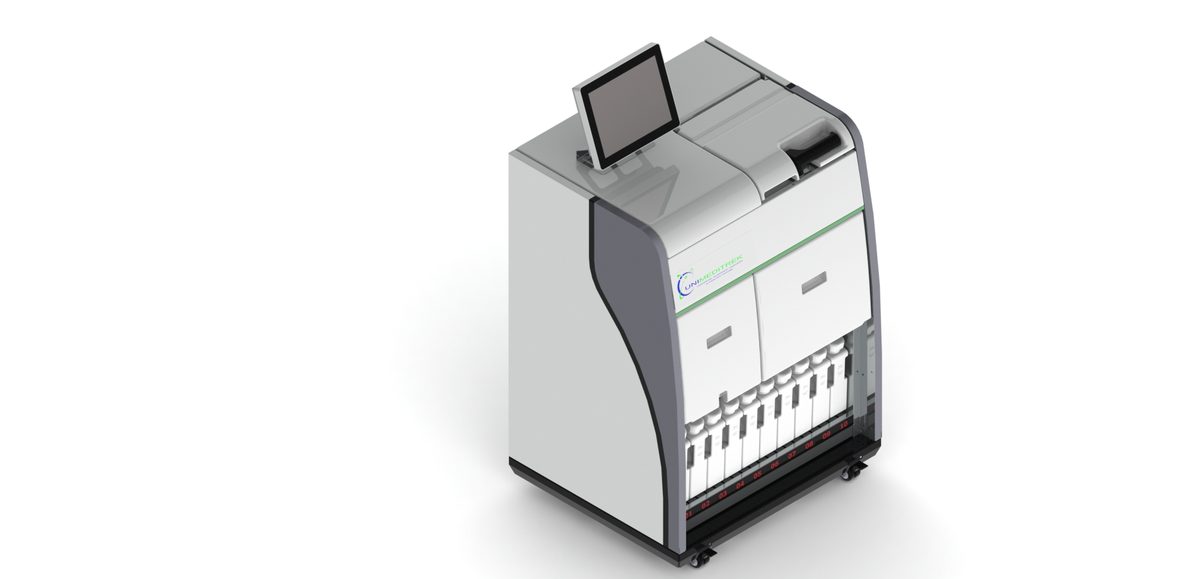
- Automatic Vacuum Tissue Processor: This equipment standardizes tissue processing, ensuring consistent infiltration and embedding, which are critical for high-quality staining.
- Tissue Embedding Station: A standardized embedding process is vital for producing uniform tissue blocks, leading to consistent slide preparation.
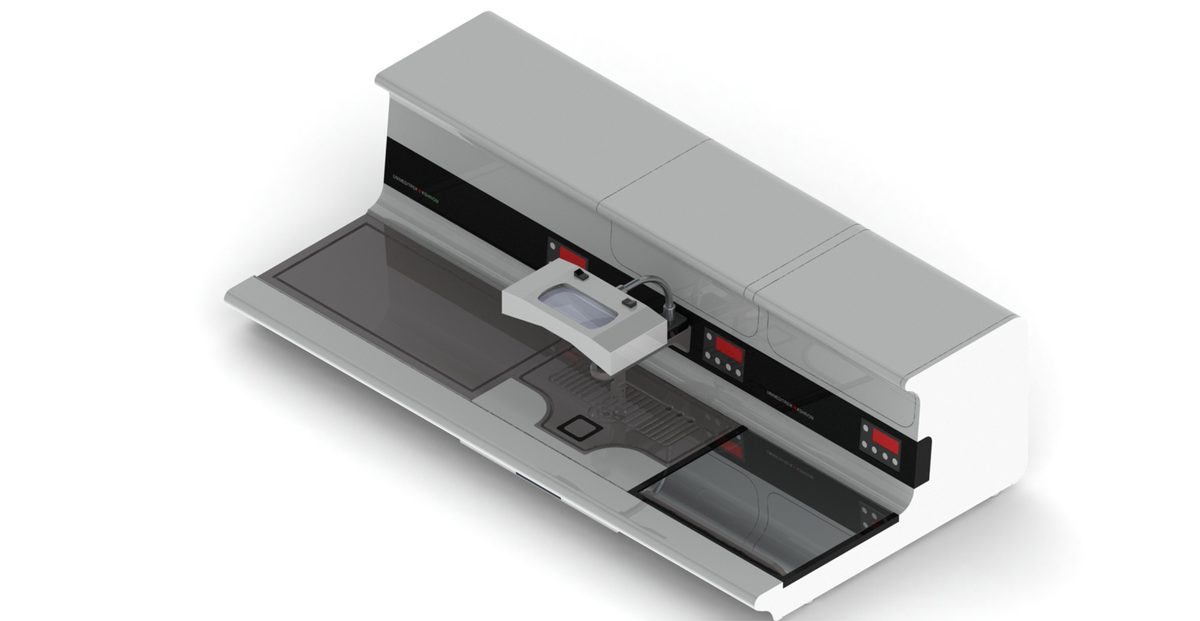
- Digital Tissue Floatation Bath: This bath aids in maintaining optimal temperature and conditions for tissue sections, ensuring even staining.
- Slide Warming Table: This table helps in achieving consistent slide temperatures, crucial for uniform staining results.
- Cryostat Microtome: For precise sectioning of frozen tissues, a cryostat microtome ensures that samples are cut uniformly, enhancing staining quality.
Implementing Standardized Staining Protocols
To implement standardized staining, labs should first establish clear protocols that detail each step of the staining process. Training staff on these protocols is essential to ensure adherence. Regular audits and quality checks can help maintain standards and identify areas for improvement. Additionally, leveraging automation through equipment like the Automatic Slide Staining Machine can further reduce variability and enhance efficiency.
Practical Takeaway
Standardizing staining processes not only improves the quality of histopathological slides but also reduces costs associated with repeat slides and reagents. By investing in reliable equipment from Unimeditrek and adhering to defined protocols, histopathology labs can achieve greater efficiency and accuracy in their operations.
FAQs
What are the benefits of standardizing staining in histopathology?
Standardizing staining improves consistency, reduces reagent costs, and enhances workflow efficiency.
How can Unimeditrek equipment help in standardizing staining?
Unimeditrek's Automatic Slide Staining Machine and other equipment ensure precise and reproducible results, critical for effective standardization.
Prepared and reviewed by the Unimeditrek technical team based on laboratory practice, installation and service experience. This document explains histopathology workflow, laboratory practice and equipment based on the questions we hear from hospitals, medical colleges and diagnostic laboratories — vendor-neutral where it explains the science and practical where it explains equipment.
Prepared by Unimeditrek Pvt. Ltd.. For product specifications and quotations, contact our team.