Home › Knowledge › Standardizing Staining to Reduce Repeat Slides and Costs
White paperStandardizing Staining to Reduce Repeat Slides and Costs
A Comprehensive Approach to Histopathology Efficiency
Introduction to Standardization in Histopathology
In the field of histopathology, the importance of standardizing staining processes cannot be overstated. Inconsistent staining can lead to repeat slides, increased reagent costs, and ultimately, delayed diagnoses. By implementing standardized protocols, laboratories can enhance efficiency, reduce waste, and improve overall quality.
The Role of Equipment in Standardization
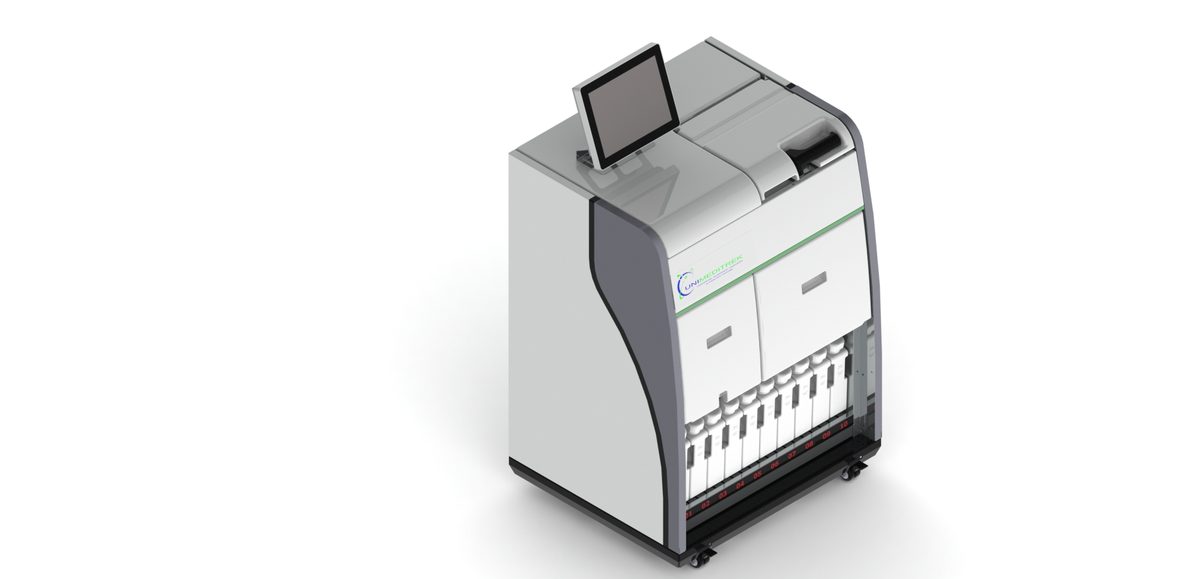
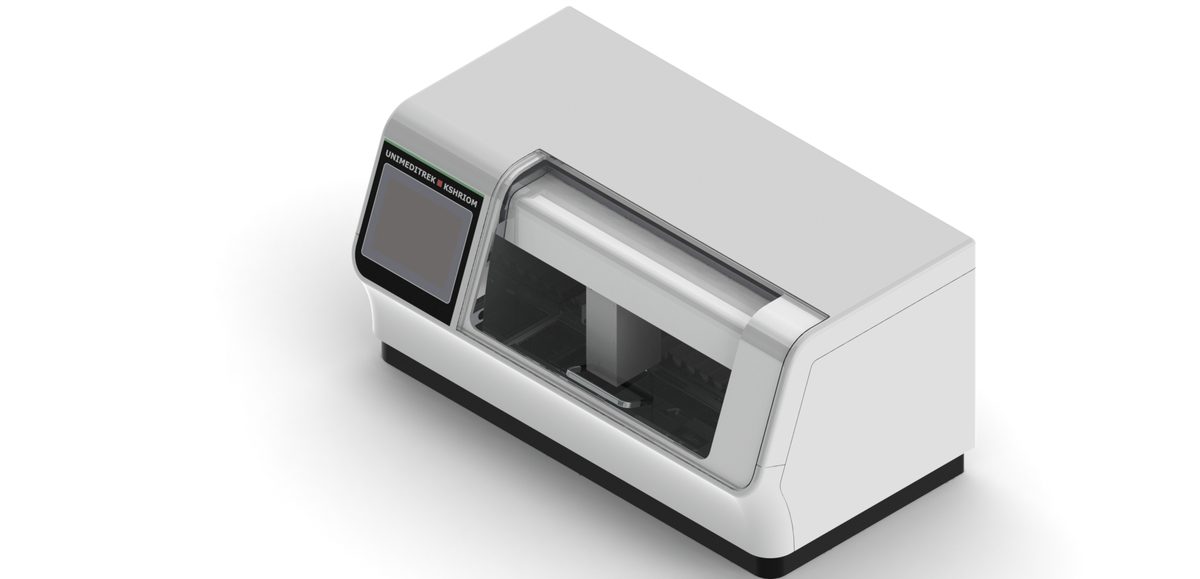
Modern histopathology relies heavily on advanced equipment to ensure consistency in staining. The Automatic Slide Staining Machine is pivotal in this regard, offering precise control over staining times and reagent volumes. This automation not only minimizes human error but also ensures uniformity across all slides, reducing the likelihood of repeat slides.
Optimizing Reagent Usage
Standardizing staining protocols can significantly cut reagent costs. Utilizing the Automatic Vacuum Tissue Processor allows for efficient processing of tissues, ensuring that reagents are used optimally. Additionally, the Tissue Embedding Station helps maintain the integrity of samples, further reducing the need for repeat staining due to sample degradation.
Enhancing Workflow with Digital Solutions
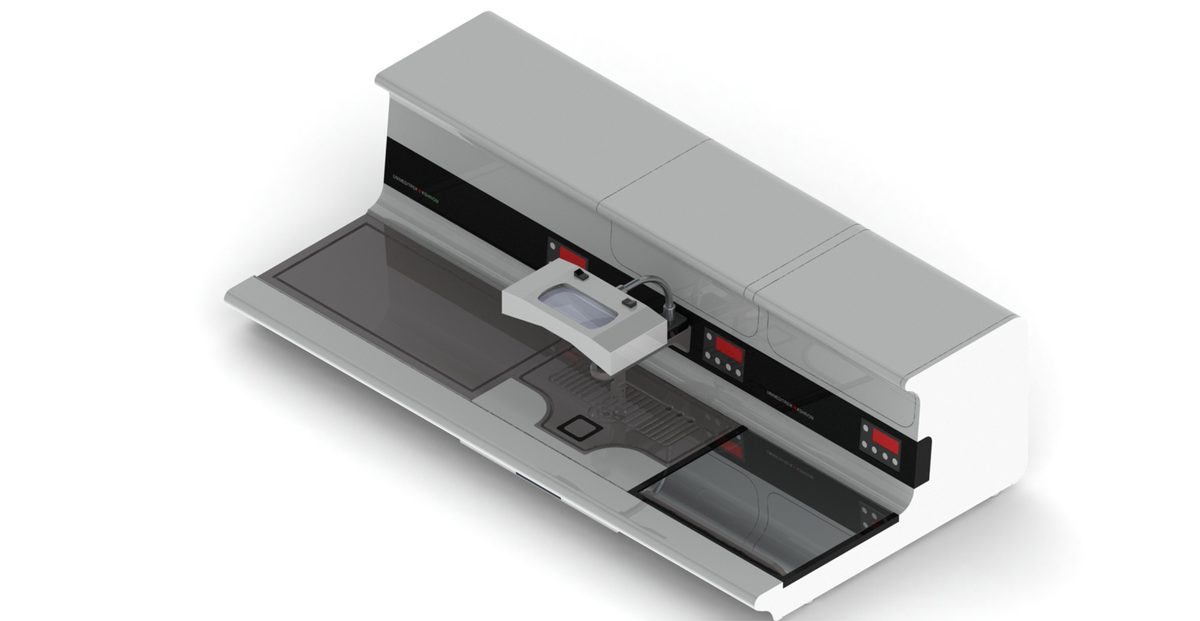
Incorporating digital solutions such as the Digital Tissue Floatation Bath and Slide Warming Table can streamline the workflow in histopathology labs. These tools facilitate quicker and more efficient slide preparation, ensuring that staining is performed on well-prepared specimens, thus minimizing the chances of errors that lead to repeat slides.
The Importance of Training and Protocols
While equipment plays a crucial role, the human factor is equally important. Training staff on standardized protocols ensures that everyone adheres to the same procedures, further enhancing consistency in results. Regular audits and updates to staining protocols can also help maintain high standards in histopathology labs.
Conclusion and Practical Takeaway
Standardizing staining processes in histopathology is essential for improving efficiency and reducing costs. By leveraging advanced equipment such as the Cryostat Microtome for precise sectioning and the aforementioned machines, labs can achieve consistency and reliability in their results. A practical takeaway is to invest in automation and training to ensure that all staff are aligned with standardized protocols, ultimately leading to better patient outcomes.
FAQs
What are the benefits of standardizing staining in histopathology?
Standardizing staining improves consistency, reduces repeat slides, and lowers reagent costs.
How can equipment help in standardizing staining processes?
Advanced equipment like automatic staining machines and tissue processors ensure precise control and uniformity in staining.
Prepared and reviewed by the Unimeditrek technical team based on laboratory practice, installation and service experience. This document explains histopathology workflow, laboratory practice and equipment based on the questions we hear from hospitals, medical colleges and diagnostic laboratories — vendor-neutral where it explains the science and practical where it explains equipment.
Prepared by Unimeditrek Pvt. Ltd.. For product specifications and quotations, contact our team.