Home › Knowledge › What Really Drives Slide Stainer Running Costs
Knowledge articleWhat Really Drives Slide Stainer Running Costs
Reagents, consumables and maintenance matter more than the headline price.
Two slide stainers can carry the same price tag and cost wildly different amounts to actually run. The purchase is a one-time number; the running cost is the one that follows you around. Four things drive it.
Reagents and consumables
Stains, mountants, slides and coverslips recur constantly, and a machine that manages reagents well — rotating rather than wastefully dumping them — trims this line meaningfully over a year.
Throughput efficiency
A stainer that keeps slides moving with fewer repeats gets more done per rupee of reagent and per hour of staff time. Efficiency is a running-cost feature, even if it never appears on the quote.
Maintenance
Preventive upkeep and spares keep a stainer consistent and out of the repair queue. Neglect it and you pay in repeats and downtime instead.
Consistency is a cost, too
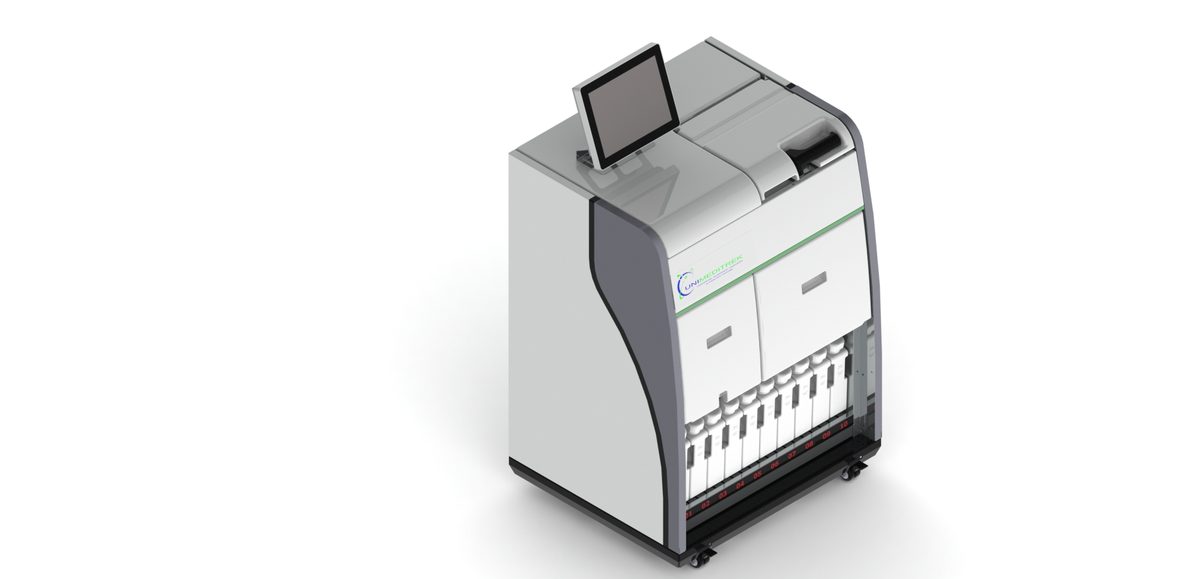
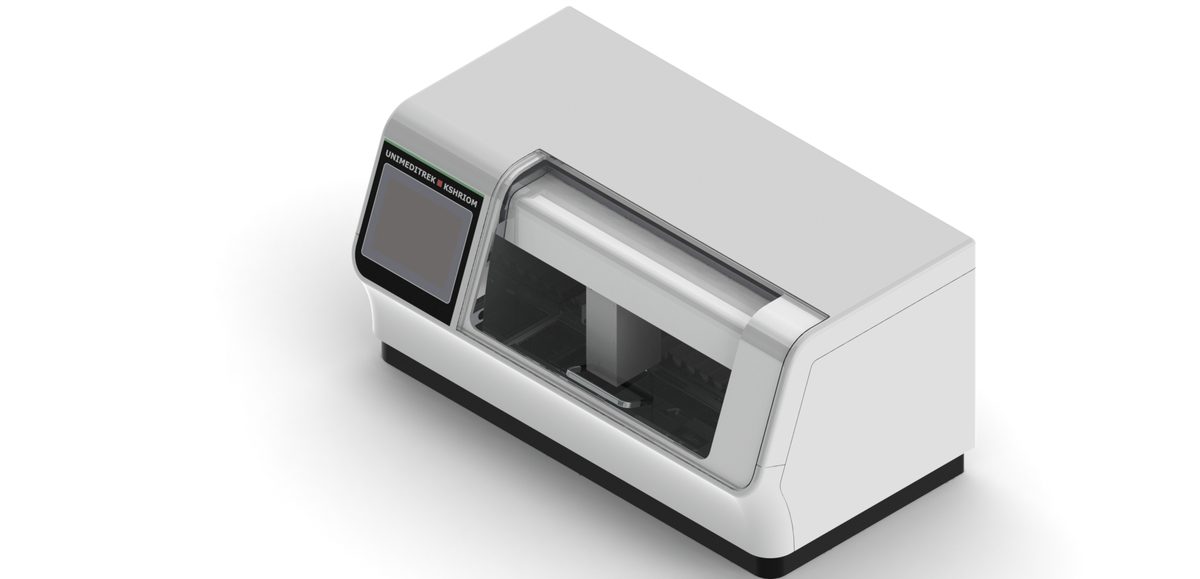
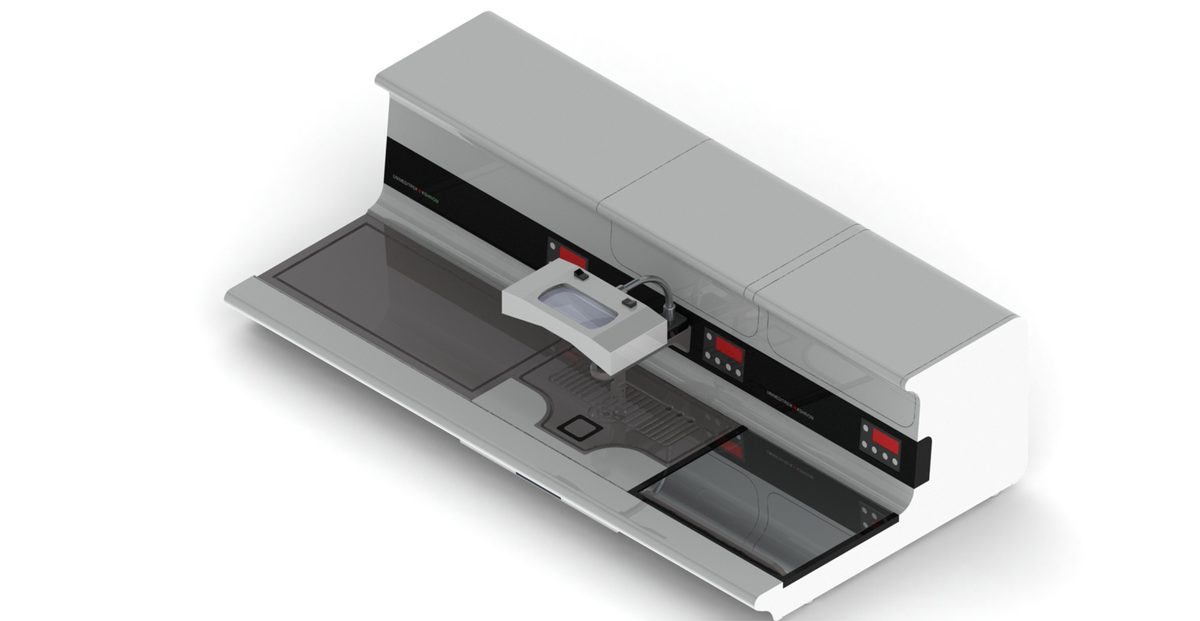
Every re-stain is reagents, staff time and a slower report rolled into one. A machine that reproduces the same result every slide is quietly cutting cost you might never have itemised — which is much of the case for an automatic slide staining machine.
FAQs
What are the running costs of a slide stainer?
Reagents, mountants, slides and coverslips, plus maintenance — often more over time than the purchase price.
How do I control those costs?
Right-size the machine, use reagent management and take a maintenance contract.
Prepared and reviewed by the Unimeditrek technical team based on laboratory practice, installation and service experience. This document explains histopathology workflow, laboratory practice and equipment based on the questions we hear from hospitals, medical colleges and diagnostic laboratories — vendor-neutral where it explains the science and practical where it explains equipment.
Prepared by Unimeditrek Pvt. Ltd.. For product specifications and quotations, contact our team.