Home › Knowledge › Sizing Retort Capacity to Your Daily Cassette Load
Knowledge articleSizing Retort Capacity to Your Daily Cassette Load
Optimize your vacuum tissue processor for efficiency
 Automatic Tissue Processor — Unimeditrek" style="max-width:100%;border-radius:10px"/>
Understanding Tissue Processing Needs
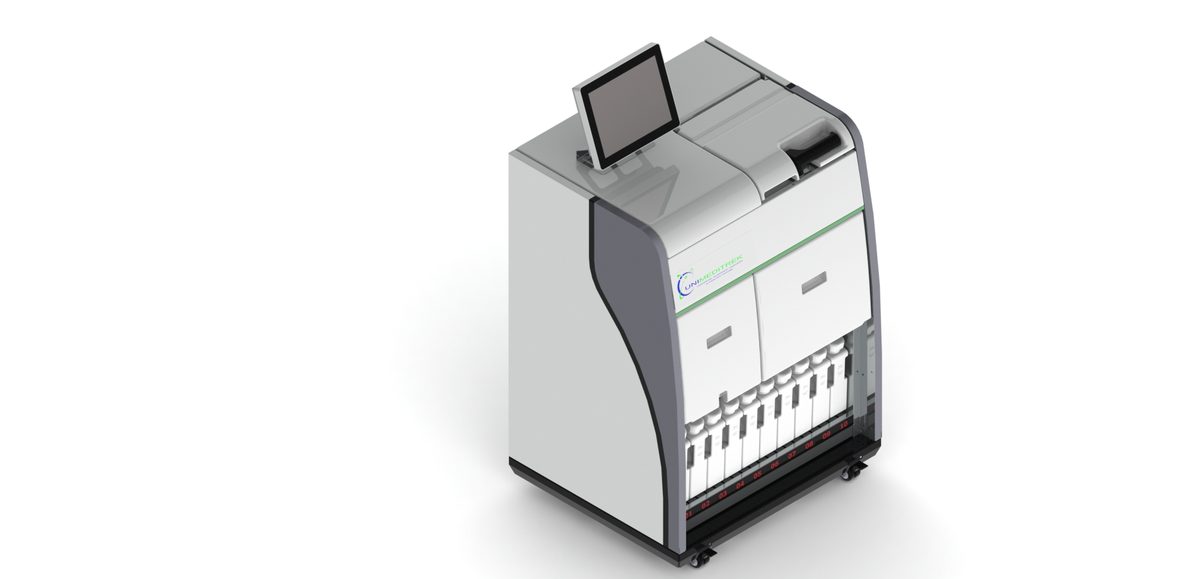
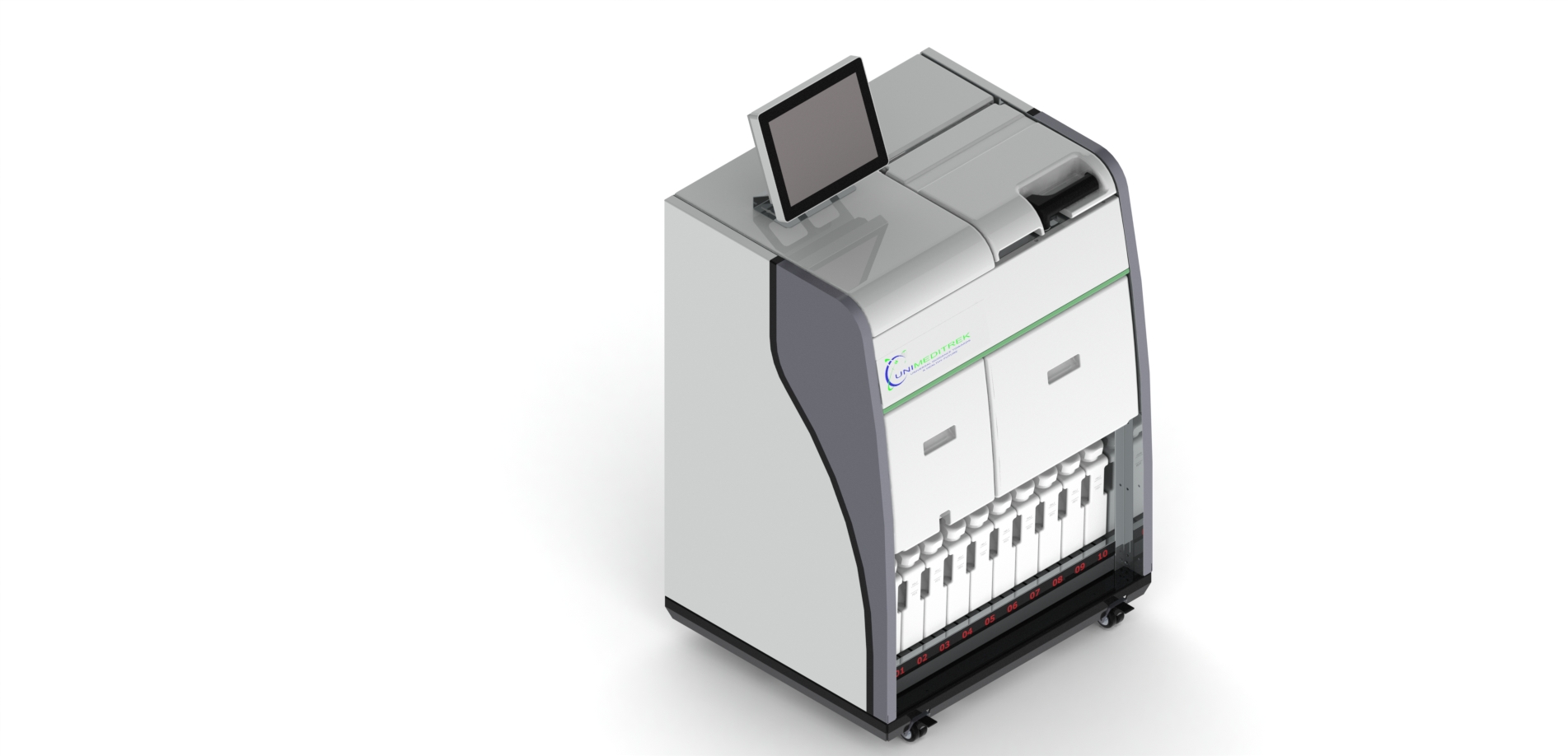
Tissue processing is a critical step in histopathology, as it prepares biological specimens for microscopic examination. One of the key components of this process is the vacuum tissue processor, which utilizes a combination of heat, vacuum, and chemical reagents to ensure thorough infiltration of the tissue with paraffin wax. However, to maximize efficiency and minimize turnaround time, it is essential to size the retort capacity of your processor according to your daily cassette load.
Each laboratory has unique demands based on the number of specimens processed daily, the type of tissues being examined, and the workflows in place. Understanding these factors will allow you to select a vacuum tissue processor that meets your laboratory's needs without overloading or underutilizing the equipment. A well-sized retort capacity not only improves efficiency but also enhances the quality of the processed specimens.
Calculating Daily Cassette Load
To effectively size your vacuum tissue processor, you first need to calculate your daily cassette load. This involves assessing the average number of tissue samples you process each day. Consider factors such as the types of specimens received, the frequency of testing, and any seasonal variations that may affect your workload. For instance, certain periods may see a surge in biopsies or surgical specimens, necessitating a higher processing capacity.
Additionally, consider the size and type of cassettes used. Standard cassettes can vary in dimensions, and larger specimens may require more space. It is also important to account for any backup specimens that may need to be processed during peak times. By having a clear understanding of your daily cassette load, you can make informed decisions about the retort capacity required for your vacuum tissue processor.
Choosing the Right Retort Capacity
Once you have an estimate of your daily cassette load, the next step is to choose a vacuum tissue processor with the appropriate retort capacity. A general rule of thumb is to select a processor that can handle at least 20-30% more than your calculated daily load. This buffer allows for fluctuations in workload and ensures that your laboratory can operate smoothly during busy periods without delays in processing times.
Moreover, consider the processing cycle times of the vacuum tissue processor. Some models offer faster processing capabilities, which can be beneficial in high-throughput environments. However, it is crucial to balance speed with the quality of tissue processing, as overly rapid cycles may compromise the integrity of the specimens. Therefore, finding a processor that meets both your capacity and quality requirements is vital.
Factors Influencing Retort Capacity Selection
In addition to daily cassette load and processing cycle times, there are several other factors to consider when selecting the right retort capacity for your vacuum tissue processor. One important aspect is the variety of tissues being processed. Different tissues may require specific processing protocols, which can affect the number of cassettes that can be processed simultaneously. For example, fatty tissues may require longer processing times compared to fibrous tissues.
Another consideration is the workflow in your laboratory. If your lab operates multiple shifts or has high variability in specimen submissions, it may be advantageous to opt for a processor with a larger retort capacity. This flexibility can help accommodate unexpected increases in workload and maintain consistent turnaround times for pathology reports.
Maximizing Efficiency with Proper Maintenance
After selecting the appropriate retort capacity for your vacuum tissue processor, it is essential to maintain the equipment properly to ensure optimal performance. Regular maintenance checks, including calibration and cleaning, can significantly impact the efficiency and longevity of the processor. Neglecting maintenance can lead to equipment malfunctions, which can ultimately affect the quality of the processed tissues.
Additionally, providing adequate training for laboratory personnel on the proper use and maintenance of the vacuum tissue processor is crucial. Ensuring that staff members understand the importance of following standard operating procedures can help prevent errors and enhance overall efficiency in tissue processing.
Practical Takeaway
In summary, sizing the retort capacity of your vacuum tissue processor to your daily cassette load is essential for optimizing histopathology workflows. By accurately calculating your daily load, choosing the right capacity, considering various influencing factors, and maintaining the equipment diligently, laboratories can enhance efficiency and ensure high-quality specimen processing.
FAQs
What is a vacuum tissue processor?
A vacuum tissue processor is a device used in histopathology to prepare tissue samples for microscopic examination by ensuring thorough infiltration with paraffin wax.
How do I determine my daily cassette load?
To determine your daily cassette load, assess the average number of tissue samples processed daily, taking into account seasonal variations and backup specimens.
Why is retort capacity important in a tissue processor?
Retort capacity is important because it ensures that the processor can handle the daily workload efficiently, preventing delays and maintaining the quality of processed specimens.
Prepared and reviewed by the Unimeditrek technical team based on laboratory practice, installation and service experience. This document explains histopathology workflow, laboratory practice and equipment based on the questions we hear from hospitals, medical colleges and diagnostic laboratories — vendor-neutral where it explains the science and practical where it explains equipment.
Prepared by Unimeditrek Pvt. Ltd.. For product specifications and quotations, contact our team.