Home › Knowledge › Setting Up a Processing Protocol for Small Biopsies
Knowledge articleSetting Up a Processing Protocol for Small Biopsies
A guide for effective histopathology practices
Introduction to Automatic Tissue Processors
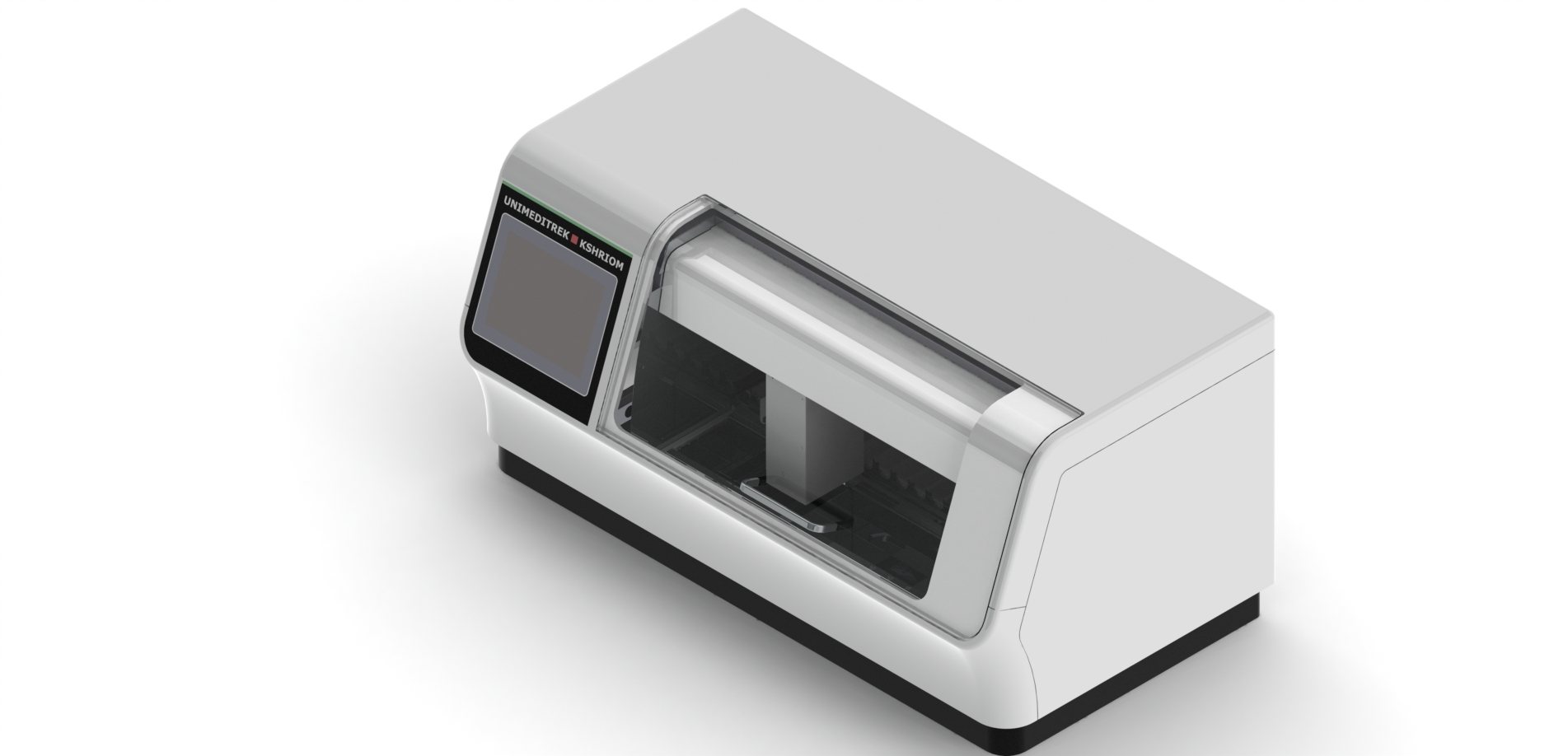
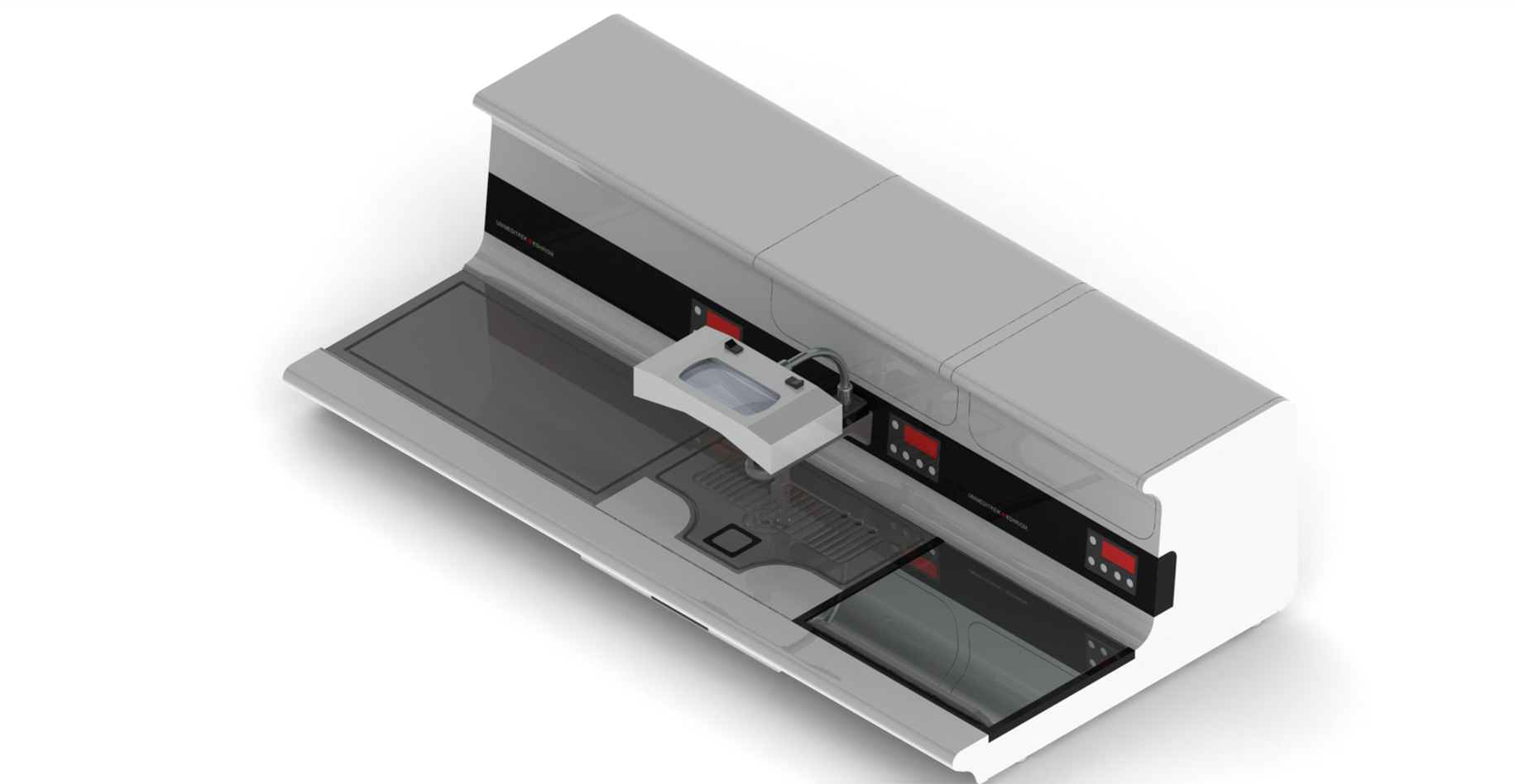
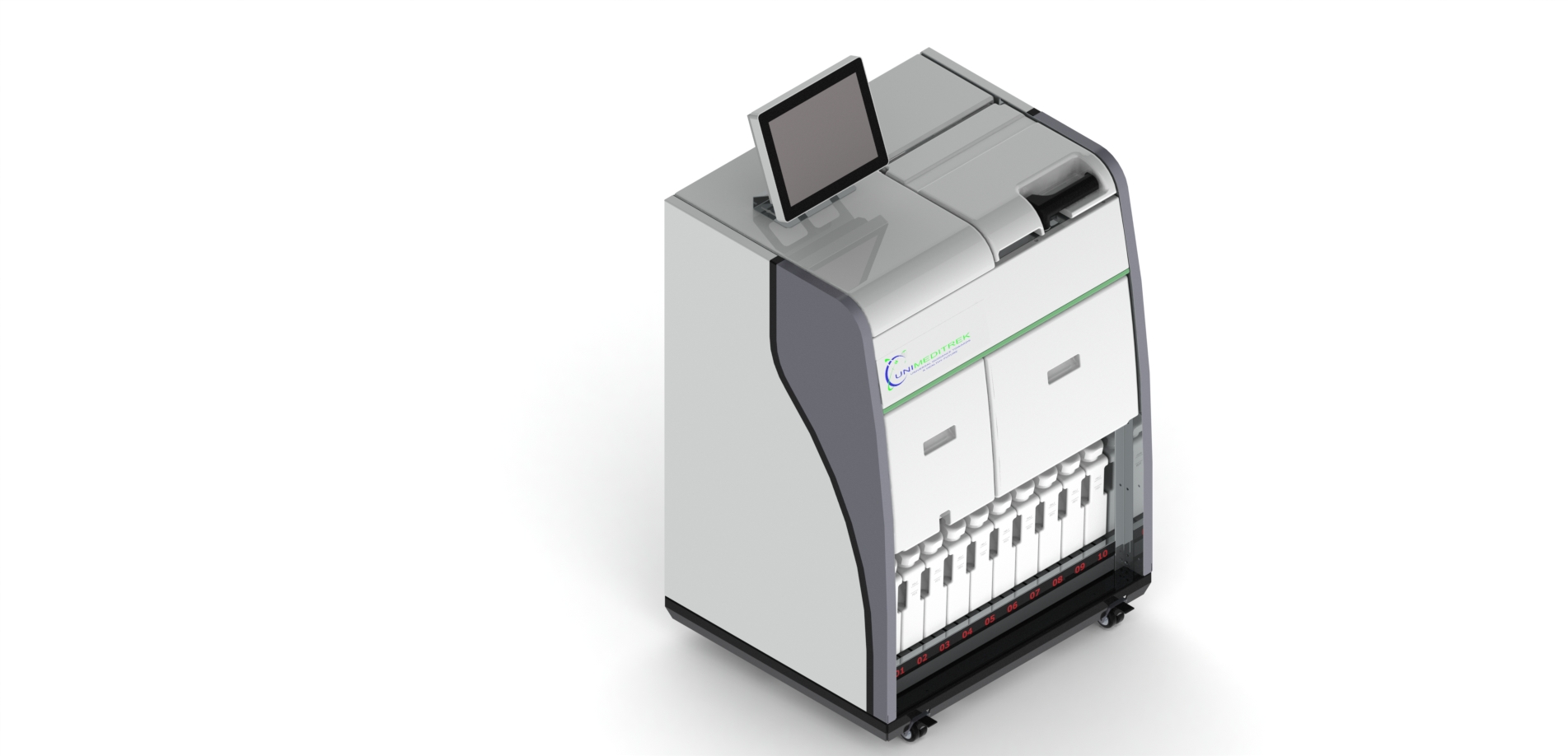
The automatic tissue processor is an essential piece of equipment in histopathology laboratories, especially when dealing with small biopsies. These processors streamline the tissue processing workflow, allowing for consistent and efficient preparation of specimens for microscopic examination. By automating the dehydration, clearing, and infiltration steps, pathologists and lab technicians can focus on the interpretation of results rather than the intricacies of manual processing.
Setting up a processing protocol tailored for small biopsies is crucial to ensure that tissue samples are preserved in optimal condition. Small biopsies, due to their size, can be particularly sensitive to processing conditions. Therefore, it’s vital to establish a protocol that accommodates their unique requirements while leveraging the capabilities of the automatic tissue processor.
Understanding Tissue Processing Steps
The tissue processing protocol typically involves several key steps: fixation, dehydration, clearing, and infiltration. Each of these steps plays a pivotal role in preserving the morphological details of the tissue. Fixation is the first step, where the tissue is preserved in a fixative solution, usually formalin, to prevent autolysis and decay. The duration and conditions of fixation can significantly impact the quality of the final histological sections.
Following fixation, dehydration is performed to remove water from the tissue, which is essential for effective infiltration with paraffin wax. This is where the automatic tissue processor excels, as it can efficiently manage the series of alcohol baths needed for dehydration. It is recommended to use graded alcohol concentrations to gradually remove water, ensuring that the tissue does not become damaged due to rapid dehydration.
Optimizing the Protocol for Small Biopsies
When dealing with small biopsies, it’s important to optimize the processing times and solutions used in the automatic tissue processor. Smaller samples may require shorter processing times to prevent over-dehydration and potential loss of cellular detail. A common approach is to adjust the processing cycle to ensure that each step is appropriately timed for the size of the biopsy.
Additionally, using a lower concentration of clearing agents can help maintain the integrity of small biopsies. Clearing agents like xylene facilitate the transition from alcohol to paraffin wax, but excessive exposure can lead to tissue brittleness. Therefore, it's advisable to monitor the exposure time closely and to consider the specific characteristics of the biopsy being processed.
Quality Control Measures
Implementing quality control measures is vital when setting up a processing protocol for small biopsies. Regularly calibrating the automatic tissue processor and ensuring that all reagents are fresh and properly stored can significantly impact the quality of the processed samples. Additionally, conducting routine checks on the fixation quality can help identify potential issues early in the processing workflow.
It’s also beneficial to maintain detailed records of processing parameters and outcomes. This documentation can provide valuable insights into the effectiveness of the protocol and highlight areas for improvement. Engaging in regular training sessions for lab personnel on proper techniques and the operation of the automatic tissue processor can further enhance the quality of the histopathological work.
Practical Takeaway
Establishing an effective processing protocol for small biopsies using an automatic tissue processor requires careful consideration of each step in the workflow. By optimizing processing times, employing appropriate reagents, and implementing quality control measures, histopathology labs can ensure that small tissue samples are prepared for accurate diagnosis. Regular training and documentation will further support ongoing improvements in the processing protocol.
Further reading
For peer-reviewed depth on histopathology practice and quality, these leading journals are excellent references:
- The Journal of Pathology
- Histopathology (Wiley)
- Modern Pathology (USCAP)
- Archives of Pathology & Laboratory Medicine (CAP)
- American Journal of Clinical Pathology
- Journal of Clinical Pathology (BMJ)
Automatic Tissue Processor — engineered and serviced in India
Unimeditrek manufactures the Automatic Tissue Processor with pan-India installation and service. Explore the full specifications, request a demo, or register to download the brochure — direct from the manufacturer.
View Automatic Tissue Processor & request a quote →FAQs
What is the ideal fixation time for small biopsies?
The ideal fixation time for small biopsies typically ranges from 6 to 12 hours, depending on the type of tissue and the fixative used. It's important to monitor the fixation process closely to ensure optimal preservation.
How can I prevent over-dehydration of small biopsies?
To prevent over-dehydration, adjust the processing times in the automatic tissue processor and use graded alcohol concentrations to gradually remove water, ensuring that the samples are not exposed to high concentrations for extended periods.
What are some common issues with small biopsy processing?
Common issues include tissue brittleness due to excessive clearing agent exposure, inadequate fixation leading to poor morphology, and inconsistent processing times. Regular monitoring and adjustments to the protocol can help mitigate these problems.
Prepared and reviewed by the Unimeditrek technical team based on laboratory practice, installation and service experience. This document explains histopathology workflow, laboratory practice and equipment based on the questions we hear from hospitals, medical colleges and diagnostic laboratories — vendor-neutral where it explains the science and practical where it explains equipment.
Prepared by Unimeditrek Pvt. Ltd.. For product specifications and quotations, contact our team.