Home › Knowledge › Setting Up a New Histopathology Laboratory: A Starter Guide
Knowledge articleSetting Up a New Histopathology Laboratory: A Starter Guide
Essential steps for establishing your lab's foundation
 Tissue Embedding Station — Unimeditrek" style="max-width:100%;border-radius:10px"/>
Understanding the Basics of Histopathology Labs
Starting a histopathology laboratory requires a solid understanding of the field, including the processes involved in tissue preparation and examination. Histopathology is the study of tissues to diagnose diseases, and it involves various stages from specimen collection to microscopic analysis. The initial step in setting up your lab is to familiarize yourself with the essential equipment and workflow needed for efficient operations.
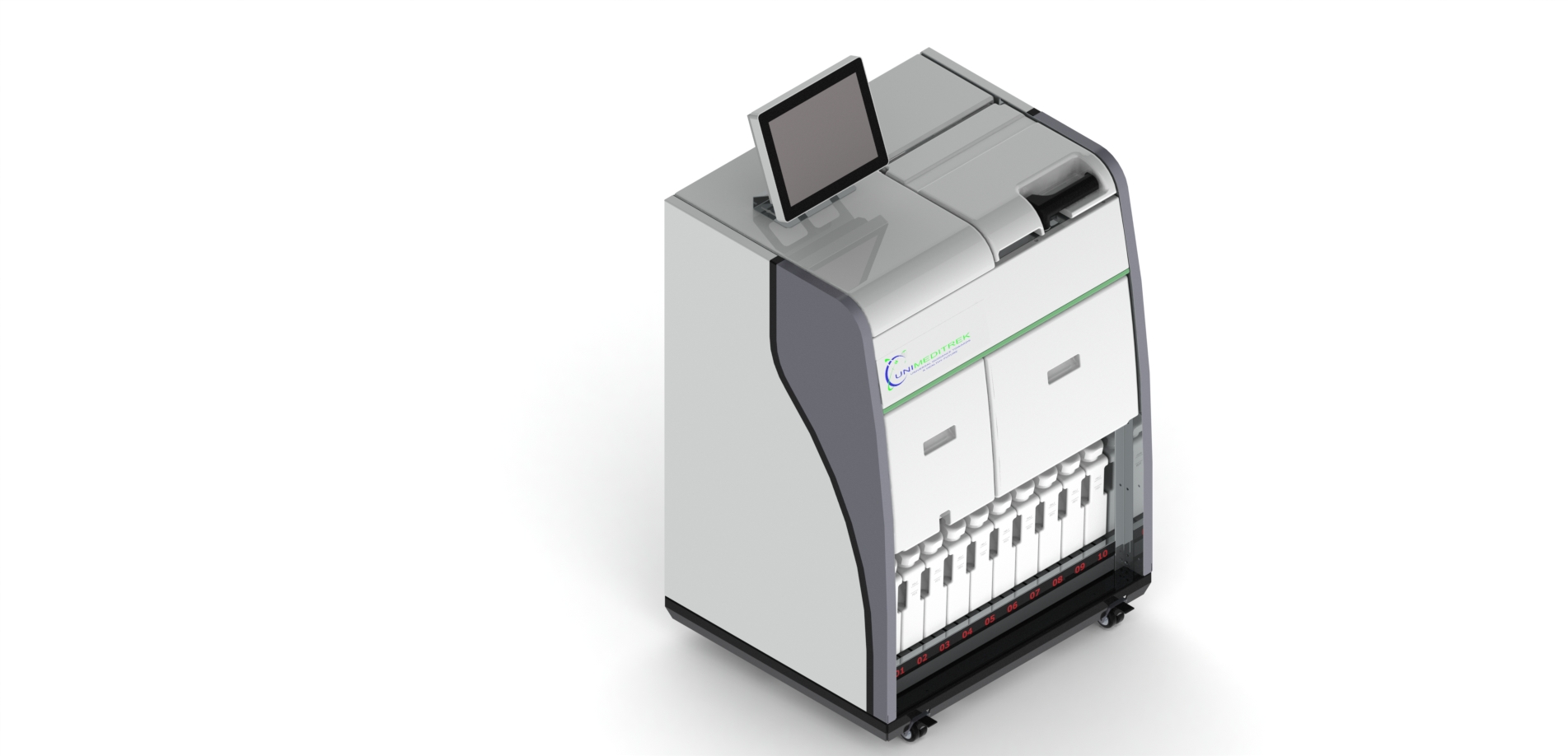
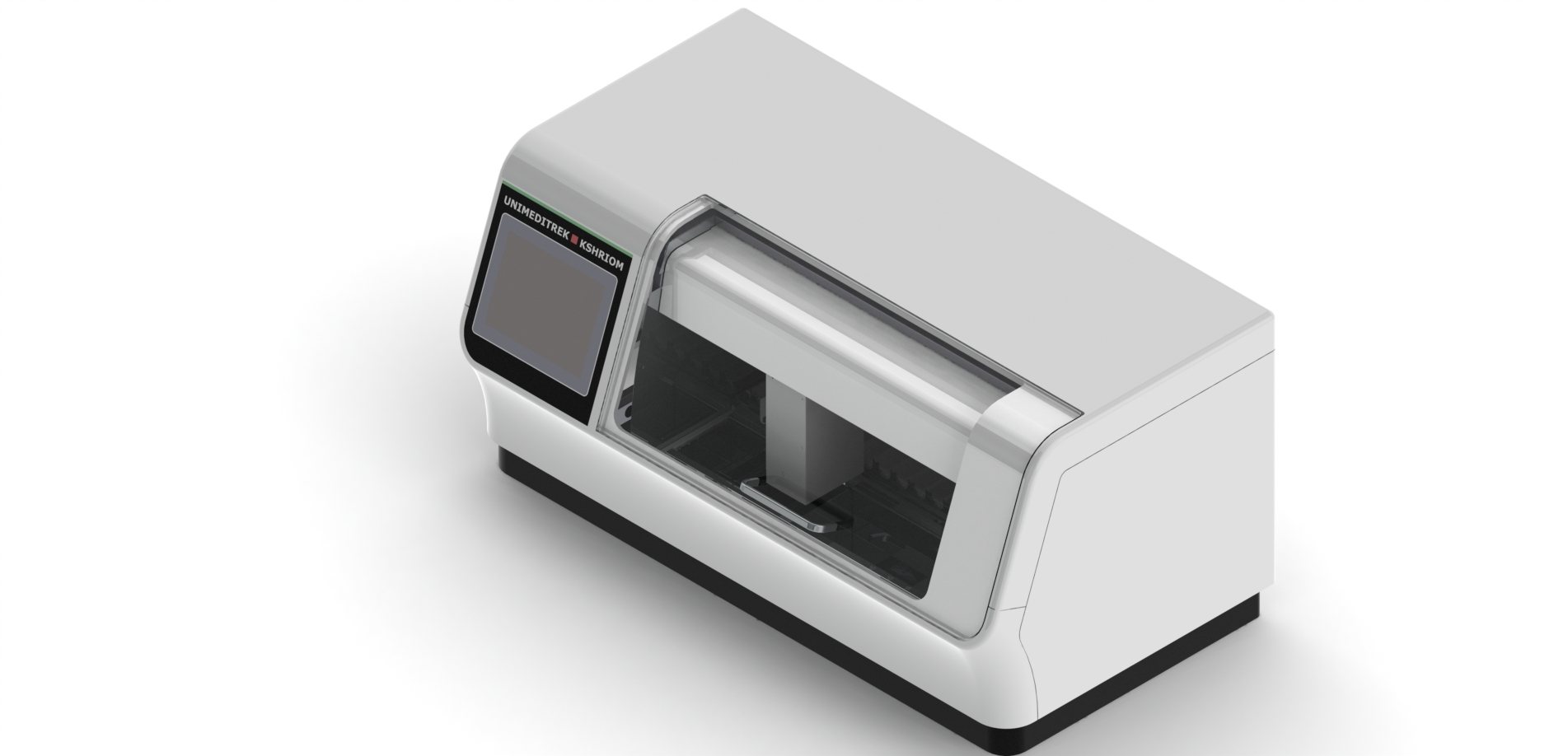
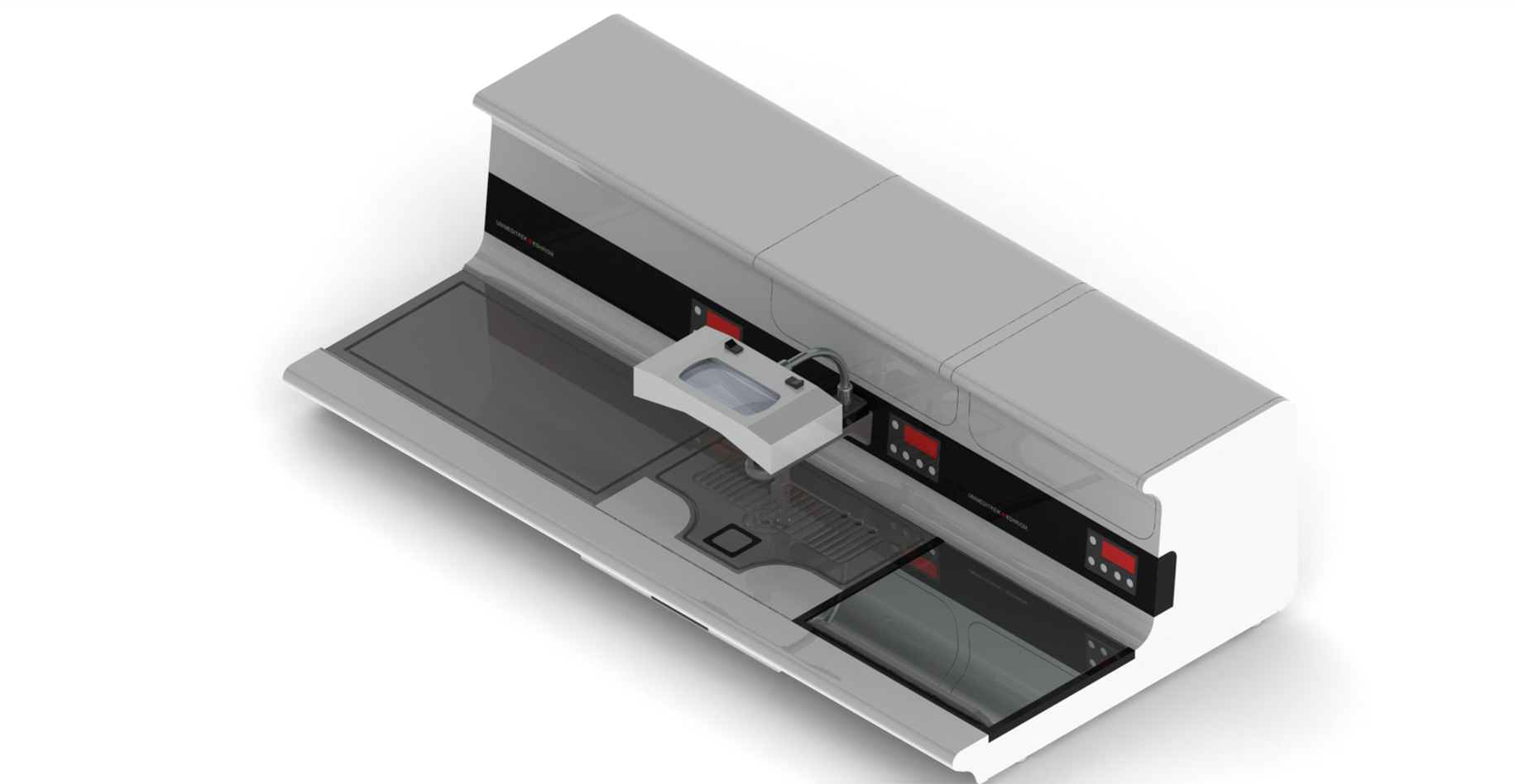
Among the critical equipment is the tissue embedder, which plays a vital role in the preparation of tissue samples. This device allows for the precise embedding of tissues in paraffin wax, ensuring that samples are adequately preserved and prepared for sectioning. Understanding the function of a tissue embedder and how it integrates into the overall workflow of your lab is crucial for maintaining high-quality results.
Choosing the Right Location and Layout
Location is a significant factor in the successful operation of a histopathology laboratory. It should be easily accessible for specimen delivery and should have adequate space for the necessary equipment and personnel. Considerations such as proximity to hospitals or clinics, availability of utilities, and compliance with health and safety regulations are paramount.
Once you’ve determined the location, the layout of the lab should promote efficiency and workflow. Organize the space to separate different stages of the histopathology process, including specimen reception, processing, embedding, and microscopic analysis. Ensure that the tissue embedder is strategically placed for easy access and workflow continuity, minimizing the risk of cross-contamination between different stations.
Essential Equipment and Supplies
In addition to the tissue embedder, several other pieces of equipment are essential for a fully functional histopathology lab. These include microtomes for sectioning embedded tissues, staining machines for preparing slides, and various types of microscopy equipment for analysis. Each piece of equipment must be selected based on quality, reliability, and compatibility with the workflow.
Supply management is equally important. Ensure that you have a consistent supply of embedding materials, such as paraffin wax, as well as reagents for staining and other processes. Partnering with reliable suppliers, like Unimeditrek, who provide installation and servicing of the tissue embedding station and other equipment, can help streamline your operations and maintain equipment efficiency.
Staff Training and Quality Assurance
Having the right equipment is only part of the equation; skilled personnel are equally critical. Invest in training programs for your staff to ensure they are proficient in using the tissue embedder and other laboratory equipment. Regular training sessions can keep the team updated on best practices and new techniques in histopathology.
Quality assurance protocols should also be established to maintain the integrity of your lab’s operations. Implement routine checks and maintenance schedules for equipment, including the tissue embedder, to prevent malfunctions that could compromise sample quality. Encourage a culture of continuous improvement and feedback among staff to foster a commitment to quality in all aspects of the lab’s work.
Compliance and Safety Regulations
Setting up a histopathology laboratory involves adhering to various regulatory standards to ensure safety and compliance. Familiarize yourself with local and national regulations regarding laboratory operations, waste disposal, and safety protocols. This includes understanding the proper handling of biological specimens and hazardous materials.
Incorporating safety measures into your lab design is crucial. Ensure that safety equipment, such as fume hoods, gloves, and protective eyewear, are readily available. Regularly review safety guidelines with your staff and conduct drills to prepare for any potential emergencies. Compliance not only protects your staff but also enhances the credibility of your laboratory.
Practical Takeaway
Establishing a histopathology laboratory is a multifaceted endeavor that requires careful planning and execution. From selecting the right equipment, including the tissue embedder, to ensuring staff training and compliance with safety regulations, each step is vital for creating a successful lab. By focusing on quality, efficiency, and safety, you can build a laboratory that meets the needs of your community and contributes to effective healthcare.
Further reading
For peer-reviewed depth on histopathology practice and quality, these leading journals are excellent references:
- The Journal of Pathology
- Histopathology (Wiley)
- Modern Pathology (USCAP)
- Archives of Pathology & Laboratory Medicine (CAP)
- American Journal of Clinical Pathology
- Journal of Clinical Pathology (BMJ)
Tissue Embedding Station — engineered and serviced in India
Unimeditrek manufactures the Tissue Embedding Station with pan-India installation and service. Explore the full specifications, request a demo, or register to download the brochure — direct from the manufacturer.
View Tissue Embedding Station & request a quote →FAQs
What is the role of a tissue embedder in histopathology?
A tissue embedder is crucial for embedding tissue samples in paraffin wax, ensuring proper preservation and preparation for sectioning.
How often should equipment maintenance be performed in a histopathology lab?
Regular maintenance should be scheduled based on the manufacturer's recommendations and usage frequency, typically every few months, to ensure optimal performance.
What safety regulations should be followed in a histopathology lab?
Labs must adhere to local and national regulations regarding biological specimen handling, waste disposal, and general laboratory safety protocols.
Prepared and reviewed by the Unimeditrek technical team based on laboratory practice, installation and service experience. This document explains histopathology workflow, laboratory practice and equipment based on the questions we hear from hospitals, medical colleges and diagnostic laboratories — vendor-neutral where it explains the science and practical where it explains equipment.
Prepared by Unimeditrek Pvt. Ltd.. For product specifications and quotations, contact our team.