Home › Knowledge › Setting the Right Temperature for Your Tissue Floatation Bath
Knowledge articleSetting the Right Temperature for Your Tissue Floatation Bath
Essential tips for optimal performance in histopathology labs
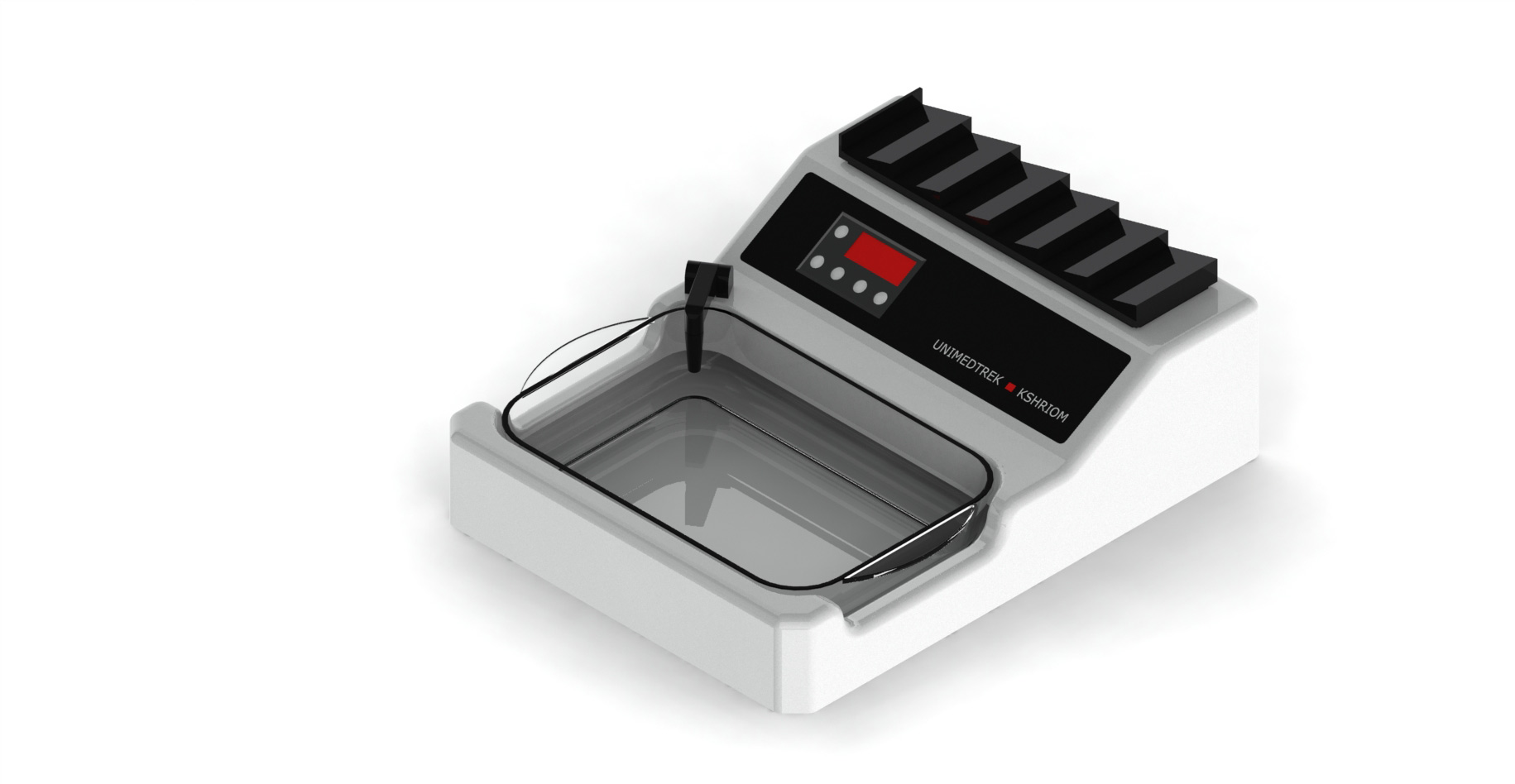 Tissue Floatation Bath — Unimeditrek" style="max-width:100%;border-radius:10px"/>
Understanding the Importance of Temperature Control
The tissue floatation bath is a critical piece of equipment in histopathology labs, used primarily for the preparation of tissue sections. Proper temperature control is essential to ensure that the tissue specimens maintain their integrity during the embedding process. When the temperature is not set correctly, it can lead to issues such as distortion of tissue morphology, uneven sectioning, and poor adhesion of the tissue to the slides. This compromises the quality of the histological analysis and can lead to inaccurate diagnoses.
Moreover, the temperature of the floatation bath influences the behavior of the embedding medium, typically paraffin. If the bath is too hot, it can cause the paraffin to become overly fluid, leading to the potential loss of cellular detail as the tissue floats and distorts. Conversely, if the temperature is too low, the paraffin may solidify prematurely, causing difficulties in obtaining thin sections. Understanding the delicate balance of temperature settings is crucial for histotechnologists and pathologists alike.
Determining the Optimal Temperature Range
While the optimal temperature for a tissue floatation bath can vary depending on the specific embedding medium used, a commonly accepted range is between 45°C and 60°C. This range allows the paraffin to remain in a liquid state while providing enough heat to facilitate the smooth floating of tissue sections. It is essential to calibrate the floatation bath regularly to ensure that it maintains the desired temperature, as fluctuations can occur due to environmental factors or equipment malfunctions.
Laboratories should also consider the type of tissue being processed. For instance, delicate tissues may require slightly lower temperatures to prevent damage, while tougher tissues can handle higher temperatures. Pathologists and histotechnologists should be knowledgeable about the specific requirements of the tissues they work with, ensuring that the floatation bath is set to accommodate these needs effectively.
Monitoring and Adjusting Temperature Settings
Consistent monitoring of the tissue floatation bath’s temperature is vital for maintaining optimal performance. Many modern floatation baths come equipped with digital displays and alarms that alert users to temperature fluctuations. However, it is still advisable to use an external thermometer for verification, as discrepancies can occur. Regular checks should be part of the standard operating procedures in the lab, ensuring that any deviations from the set temperature are promptly addressed.
In addition to monitoring, technicians should be trained to adjust the temperature settings based on the specific needs of the tissue samples being processed. This may involve a trial-and-error approach, especially when working with new types of tissue or embedding media. Keeping detailed records of temperature adjustments and their outcomes can help in developing a more refined approach to temperature management in the floatation bath.
Best Practices for Using the Tissue Floatation Bath
To ensure the longevity and effectiveness of the tissue floatation bath, it is important to establish best practices for its use. Always preheat the bath before introducing tissue specimens to ensure that the paraffin is at the right consistency. Additionally, avoid overcrowding the bath with too many tissue sections at once, as this can lead to uneven heating and poor results.
Regular maintenance of the floatation bath is also crucial. This includes cleaning the bath regularly to prevent contamination and buildup of paraffin residues. Follow the manufacturer’s guidelines for cleaning and maintenance, and ensure that the equipment is serviced periodically to avoid any operational issues that could affect temperature control.
Practical Takeaway
Setting the right temperature for your tissue floatation bath is a fundamental aspect of histopathology that directly impacts the quality of tissue processing. By understanding the importance of temperature control, determining the optimal range, monitoring settings, and adhering to best practices, histotechnologists can significantly enhance the reliability of their histological analyses. Remember, the goal is to maintain tissue integrity while ensuring efficient processing, which ultimately leads to accurate diagnoses.
FAQs
What happens if the floatation bath temperature is too high?
If the floatation bath temperature is too high, the paraffin can become overly fluid, leading to distortion of tissue morphology and potential loss of cellular detail.
How often should I check the temperature of the floatation bath?
It is advisable to check the temperature of the floatation bath regularly, ideally before each use, and to monitor it throughout the embedding process to ensure consistency.
Can different types of tissue require different floatation bath temperatures?
Yes, different types of tissue may require adjustments in floatation bath temperature; delicate tissues may need lower temperatures to prevent damage, while tougher tissues can tolerate higher temperatures.
Prepared and reviewed by the Unimeditrek technical team based on laboratory practice, installation and service experience. This document explains histopathology workflow, laboratory practice and equipment based on the questions we hear from hospitals, medical colleges and diagnostic laboratories — vendor-neutral where it explains the science and practical where it explains equipment.
Prepared by Unimeditrek Pvt. Ltd.. For product specifications and quotations, contact our team.