Home › Knowledge › Setting the Right Floatation-Bath Temperature for Accuracy
Knowledge articleSetting the Right Floatation-Bath Temperature for Accuracy
A guide for histopathology labs on temperature settings
Understanding the Role of Temperature in Tissue Processing
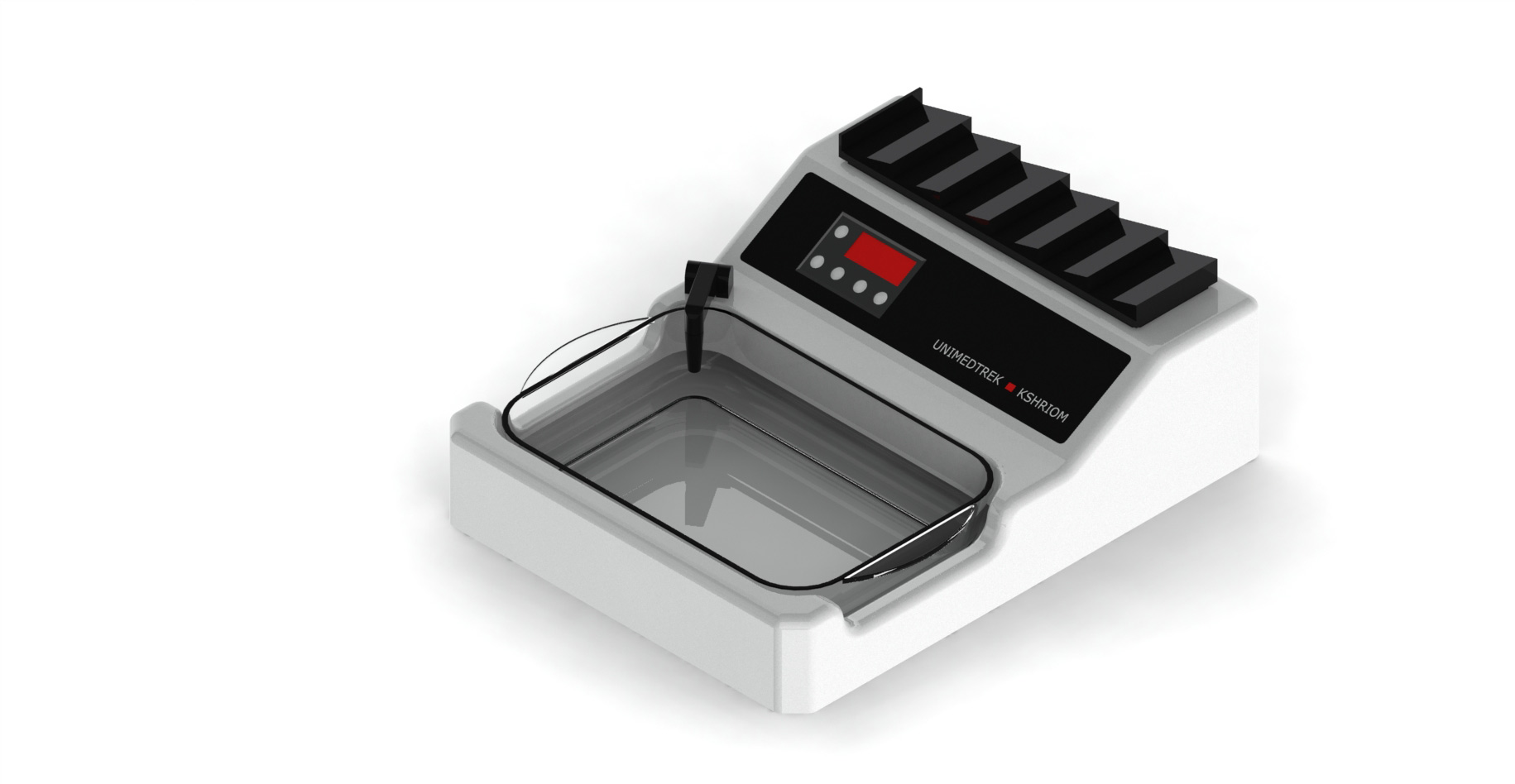
The temperature of a tissue floatation bath is crucial for the proper processing of tissue samples. When histological sections are cut, they are often delicate and can easily become distorted if not handled correctly. The primary purpose of the floatation bath is to relax the paraffin-embedded sections so they can be transferred onto slides without damage. The right temperature ensures that the paraffin becomes pliable, allowing the sections to spread evenly across the surface of the water.
Inadequate temperature settings can lead to various issues, such as wrinkling or tearing of the tissue sections. If the bath is too cool, the paraffin may not melt sufficiently, resulting in sections that do not adhere well to the slides. Conversely, if the bath is too hot, the tissue may become overly fluid, leading to loss of morphology and essential cellular details. Therefore, understanding the optimal temperature range is vital for maintaining the integrity of the samples.
Factors Influencing Floatation Bath Temperature
Several factors can influence the ideal temperature setting for a tissue floatation bath. One significant factor is the type of embedding medium used. Different paraffin wax formulations have varying melting points, which can affect how they behave in the floatation bath. Additionally, the thickness of the tissue sections can also play a role; thicker sections may require slightly higher temperatures to ensure proper relaxation.
Environmental conditions in the lab, such as ambient temperature and humidity, can also impact how the floatation bath performs. High humidity can cause condensation on the slides, while low humidity can lead to rapid evaporation of the bath water, both of which can affect the adhesion of tissue sections. Regular monitoring and adjustments based on these factors can help achieve the best results in the histopathology lab.
Best Practices for Setting the Temperature
To ensure optimal performance of the tissue floatation bath, it is essential to establish a standard operating procedure for temperature settings. A commonly accepted practice is to set the floatation bath temperature to a range that is slightly above the melting point of the embedding medium. This allows for adequate relaxation of the tissue sections while preventing overheating.
It is also advisable to use a calibrated thermometer to monitor the temperature of the bath accurately. Regular calibration checks can help maintain consistency and reliability in temperature readings. Additionally, lab personnel should be trained to recognize the signs of improper temperature settings, such as section distortion or poor adhesion to slides, enabling them to make timely adjustments as needed.
Maintaining the Tissue Floatation Bath
Regular maintenance of the tissue floatation bath is critical for ensuring its longevity and performance. This includes routine cleaning to prevent contamination and buildup of residues that can affect temperature regulation. It is essential to follow the manufacturer's guidelines for cleaning and maintenance procedures.
Furthermore, lab technicians should routinely inspect the bath for any signs of wear or malfunction. Issues such as inconsistent heating or water quality can significantly impact the quality of the tissue sections. Addressing these problems promptly can prevent further complications and ensure that the floatation bath remains an effective tool in the histopathology workflow.
Practical Takeaway: Achieving Consistency
In histopathology, consistency is key to obtaining reliable results. By establishing a routine for monitoring and adjusting the temperature of the tissue floatation bath, labs can enhance their overall efficiency and accuracy. Regular training for lab personnel on the importance of temperature settings and the factors that influence them can also contribute to better outcomes.
Ultimately, a well-maintained and properly calibrated tissue floatation bath is an invaluable asset in any histopathology lab. By following best practices and being mindful of environmental influences, labs can ensure that their tissue samples are processed with the utmost care, leading to improved diagnostic capabilities.
FAQs
What is the ideal temperature for a tissue floatation bath?
The ideal temperature for a tissue floatation bath is typically set just above the melting point of the embedding medium used, ensuring proper relaxation of the tissue sections.
How often should I check the temperature of the floatation bath?
It's advisable to check the temperature of the floatation bath regularly, especially before processing new tissue samples, to ensure optimal conditions are maintained.
What maintenance is required for a tissue floatation bath?
Regular maintenance includes cleaning the bath to prevent residue buildup, inspecting for wear, and calibrating temperature controls to ensure consistent performance.
Prepared and reviewed by the Unimeditrek technical team based on laboratory practice, installation and service experience. This document explains histopathology workflow, laboratory practice and equipment based on the questions we hear from hospitals, medical colleges and diagnostic laboratories — vendor-neutral where it explains the science and practical where it explains equipment.
Prepared by Unimeditrek Pvt. Ltd.. For product specifications and quotations, contact our team.