Home › Knowledge › Section Floatation and Slide Drying: Avoiding Wrinkles
Knowledge articleSection Floatation and Slide Drying: Avoiding Wrinkles
Mastering the Art of Histopathology Slide Preparation
Understanding Section Floatation
Section floatation is a critical step in histopathology that involves transferring tissue sections from a microtome onto slides. This process is essential for preserving the integrity of the tissue and ensuring high-quality staining results. To achieve optimal floatation, it is vital to maintain the right temperature and conditions in the floatation bath, avoiding any disturbances that could lead to wrinkles or wash-off.
Importance of Temperature Control
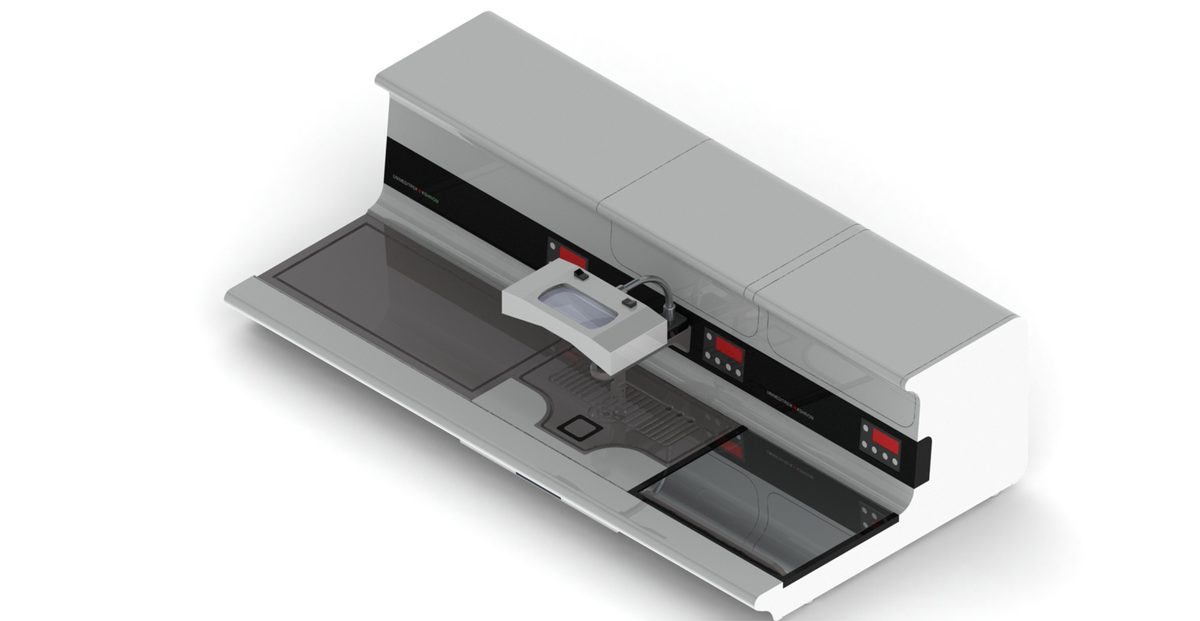
Temperature control is crucial during section floatation. A Digital Tissue Floatation Bath provides precise temperature settings, ensuring that the water remains at an optimal level for section adhesion. If the temperature is too low, sections may not adhere properly, leading to wrinkles during the drying process. Conversely, excessive heat can cause tissue distortion. Therefore, maintaining a consistent temperature is essential for successful floatation.
Slide Drying Techniques
After floatation, the next step is slide drying. Proper drying techniques are vital to prevent wash-off during staining. A Slide Warming Table can be used to gently warm slides, allowing moisture to evaporate without damaging the tissue sections. It is important to monitor the temperature carefully; excessive heat can lead to tissue shrinkage or damage. Additionally, drying slides in a controlled environment can help minimize the risk of contamination and artifacts.
Preventing Wrinkles During the Process
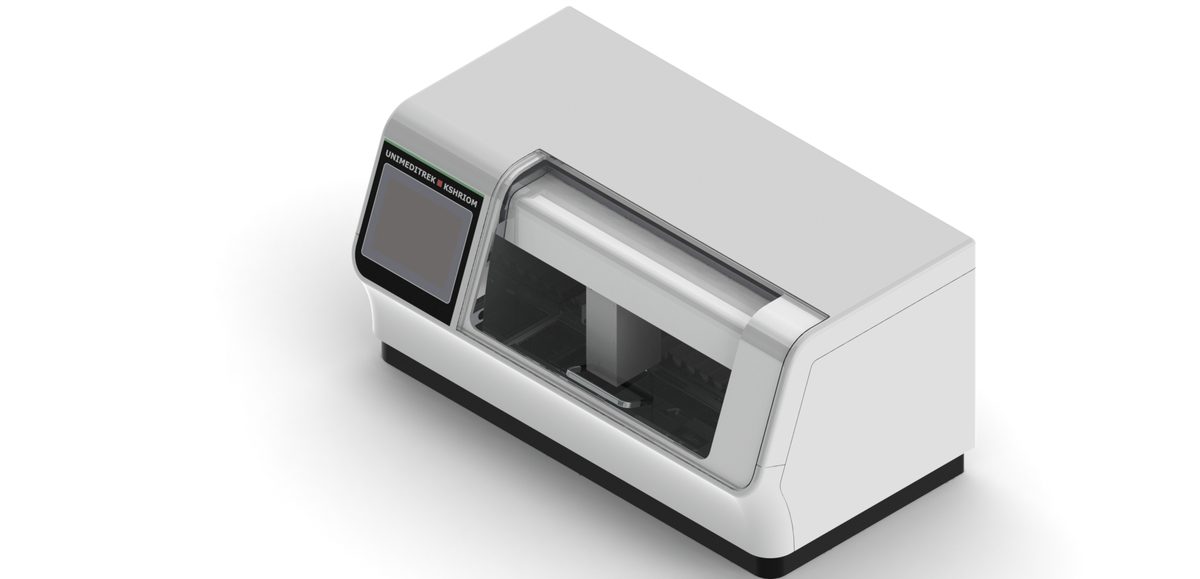
Wrinkles can occur during both floatation and drying if the sections are not handled correctly. To avoid this, use a gentle technique while manipulating the sections. Employing an Automatic Slide Staining Machine can also help streamline the process, reducing the handling of slides and thereby minimizing the risk of wrinkles. Furthermore, ensure that the embedding medium is appropriately chosen, as it can influence how the sections behave during the floatation process.
Utilizing Advanced Equipment for Better Outcomes
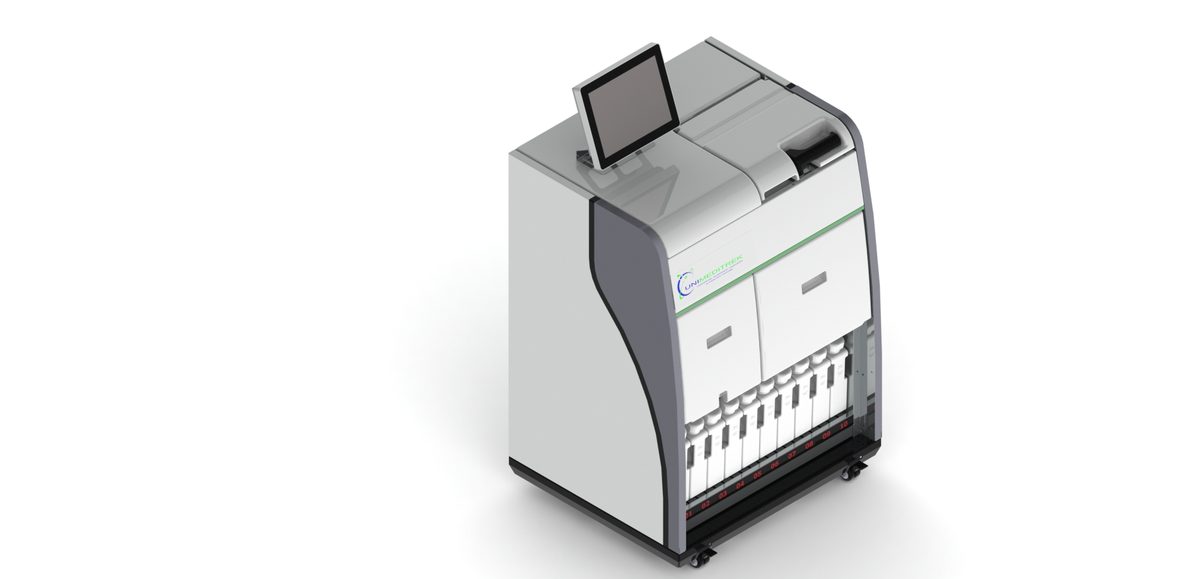
Investing in high-quality equipment such as the Automatic Vacuum Tissue Processor and Cryostat Microtome can significantly enhance the quality of tissue sections. These machines ensure precise processing and cutting, which leads to better floatation and drying outcomes. By utilizing advanced technology, histopathologists can achieve consistently high-quality slides with minimal risk of errors.
Practical Takeaway
To ensure the best results in section floatation and slide drying, focus on temperature control, gentle handling, and the use of advanced histopathology equipment. By implementing these strategies, you can avoid common issues like wrinkles and wash-off, leading to superior staining results and reliable diagnostic outcomes.
FAQs
What causes wrinkles during slide drying?
Wrinkles can occur due to improper handling of sections, temperature fluctuations, or inadequate drying techniques.
How can I prevent wash-off during staining?
Ensure proper section floatation, maintain optimal drying conditions, and use high-quality embedding mediums to enhance adhesion.
Prepared and reviewed by the Unimeditrek technical team based on laboratory practice, installation and service experience. This document explains histopathology workflow, laboratory practice and equipment based on the questions we hear from hospitals, medical colleges and diagnostic laboratories — vendor-neutral where it explains the science and practical where it explains equipment.
Prepared by Unimeditrek Pvt. Ltd.. For product specifications and quotations, contact our team.