Home › Knowledge › Safe Handling of Solvents and Reagents in the Histo Lab
Knowledge articleSafe Handling of Solvents and Reagents in the Histo Lab
Essential practices for histopathology laboratories
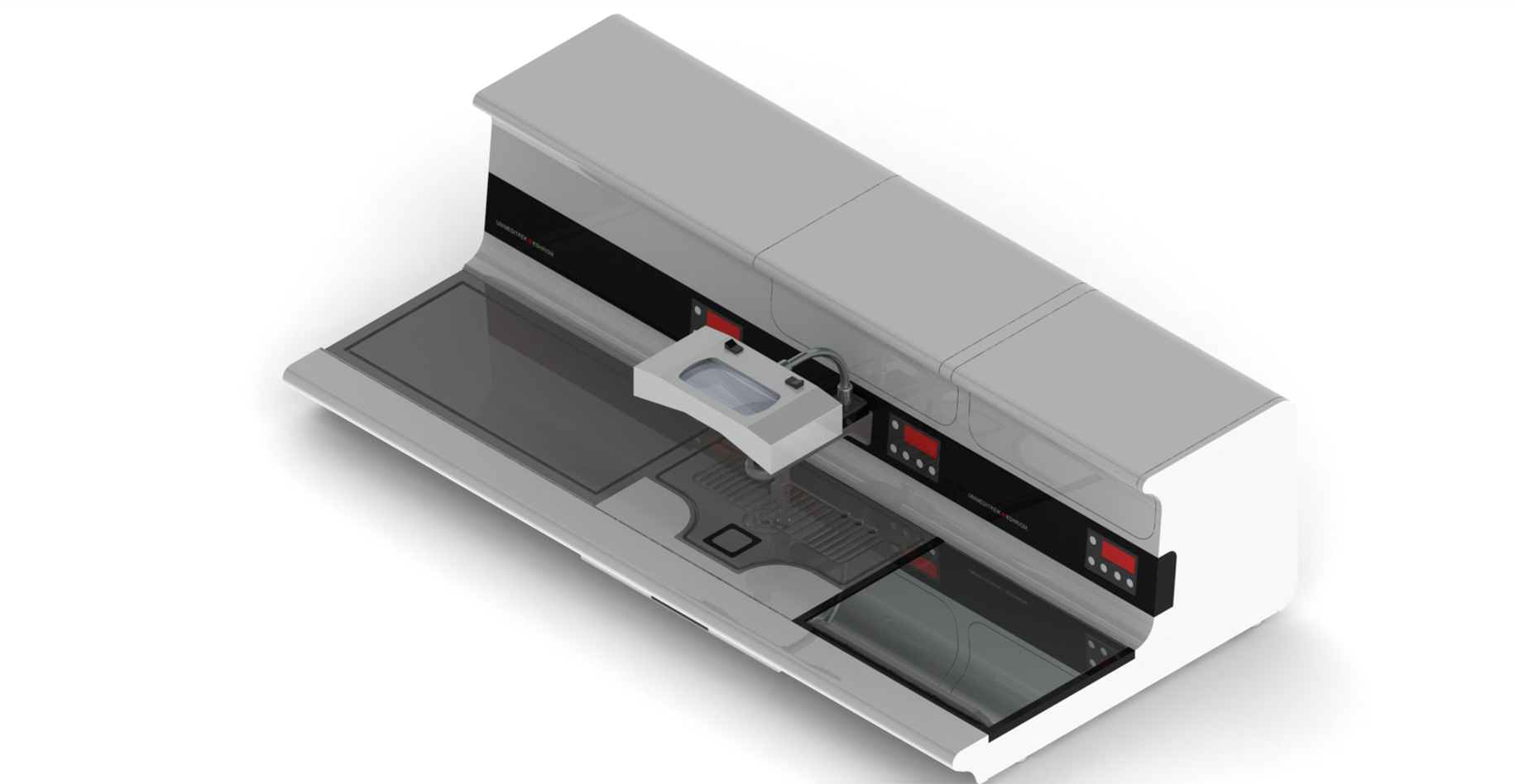 Tissue Embedding Station — Unimeditrek" style="max-width:100%;border-radius:10px"/>
Introduction to Solvents and Reagents in Histopathology
In histopathology, the use of solvents and reagents is integral to obtaining high-quality tissue samples for analysis. These chemicals play a crucial role in the preservation, embedding, and staining of tissues, particularly when using a tissue embedding station. However, their handling requires a thorough understanding of safety protocols to protect laboratory personnel and ensure the integrity of the samples.
Solvents such as xylene, ethanol, and formalin are commonly used in histopathological processes. While they are effective in preparing tissue samples, they can pose significant health risks if not handled properly. Therefore, it is vital for laboratory technicians and pathologists to be aware of the hazards associated with these substances and implement appropriate safety measures.
Understanding Chemical Hazards
Each solvent and reagent used in histopathology has its own set of hazards. For example, formalin is a known carcinogen and can cause respiratory issues and skin irritation upon exposure. Xylene, another common solvent, can affect the central nervous system and may cause dizziness, headaches, and even long-term health effects if inhaled or absorbed through the skin. Understanding these risks is the first step toward ensuring a safe working environment.
It is crucial to read and comprehend the Material Safety Data Sheets (MSDS) for each chemical used in the laboratory. These documents provide essential information on the properties of the chemicals, potential hazards, safe handling practices, and emergency measures. Laboratory personnel should be trained to interpret these data sheets and apply the information in their daily routines.
Personal Protective Equipment (PPE)
One of the most effective ways to minimize the risks associated with solvent and reagent handling is through the use of appropriate personal protective equipment (PPE). This includes gloves, lab coats, goggles, and face shields, depending on the specific chemicals being used. For instance, when working with formalin, it is essential to wear gloves that are resistant to chemical penetration, as well as goggles to protect the eyes from splashes.
In addition to wearing PPE, it is important to ensure that the equipment is regularly inspected and maintained. Damaged gloves or goggles should be replaced immediately, and lab coats should be kept clean and free from chemical contamination. By prioritizing the use of PPE, laboratory personnel can significantly reduce their risk of exposure to harmful substances while operating equipment like the tissue embedding station.
Proper Ventilation and Fume Extraction
Ventilation is another critical aspect of safely handling solvents and reagents in the histopathology lab. Adequate airflow helps to dilute and remove harmful vapors, reducing the risk of inhalation. Laboratories should be equipped with fume hoods or other ventilation systems designed to capture and exhaust hazardous fumes. When using a tissue embedding station, it is essential to ensure that the area is well-ventilated to prevent the accumulation of toxic vapors.
Regular maintenance of ventilation systems is necessary to ensure their effectiveness. This includes checking filters, ensuring that exhaust fans are functioning properly, and conducting routine inspections. Additionally, laboratory personnel should be trained to recognize signs of inadequate ventilation, such as persistent odors or discomfort, and take appropriate action to rectify the situation.
Emergency Preparedness and Response
No matter how stringent safety protocols are, accidents can still occur. Therefore, having a robust emergency preparedness and response plan is essential in any histopathology laboratory. This plan should include procedures for dealing with chemical spills, exposure incidents, and fire emergencies. All personnel should be familiar with the location of safety equipment, such as eyewash stations, safety showers, and fire extinguishers.
Regular drills and training sessions can help ensure that laboratory staff are prepared to respond effectively in the event of an emergency. It is also beneficial to keep a well-stocked first aid kit and ensure that all personnel know how to use its contents. By fostering a culture of safety and preparedness, laboratories can better protect their staff and maintain a safe working environment.
Practical Takeaway
In summary, the safe handling of solvents and reagents in histopathology labs is paramount to protecting laboratory personnel and ensuring the quality of tissue samples processed through equipment like the tissue embedding station. By understanding chemical hazards, utilizing appropriate PPE, ensuring proper ventilation, and being prepared for emergencies, laboratory staff can create a safer working environment conducive to high-quality histopathological work.
Further reading
For peer-reviewed depth on histopathology practice and quality, these leading journals are excellent references:
- The Journal of Pathology
- Histopathology (Wiley)
- Modern Pathology (USCAP)
- Archives of Pathology & Laboratory Medicine (CAP)
- American Journal of Clinical Pathology
- Journal of Clinical Pathology (BMJ)
Tissue Embedding Station — engineered and serviced in India
Unimeditrek manufactures the Tissue Embedding Station with pan-India installation and service. Explore the full specifications, request a demo, or register to download the brochure — direct from the manufacturer.
View Tissue Embedding Station & request a quote →FAQs
What are the most common solvents used in histopathology?
Common solvents in histopathology include xylene, ethanol, and formalin, each serving specific purposes in tissue processing and preservation.
How can I ensure proper ventilation in the lab?
Ensure that your lab is equipped with fume hoods or adequate ventilation systems, and conduct regular maintenance checks to confirm their effectiveness.
What should I do in case of a chemical spill?
Follow your lab's emergency response plan, which should include evacuating the area, notifying appropriate personnel, and using spill kits to contain the spill.
Prepared and reviewed by the Unimeditrek technical team based on laboratory practice, installation and service experience. This document explains histopathology workflow, laboratory practice and equipment based on the questions we hear from hospitals, medical colleges and diagnostic laboratories — vendor-neutral where it explains the science and practical where it explains equipment.
Prepared by Unimeditrek Pvt. Ltd.. For product specifications and quotations, contact our team.