Home › Knowledge › Reducing Turnaround Time with a Slide Staining Machine
Knowledge articleReducing Turnaround Time with a Slide Staining Machine
Enhancing efficiency in histopathology labs
 Automatic Slide Staining Machine — Unimeditrek" style="max-width:100%;border-radius:10px"/>
Understanding Turnaround Time in Histopathology
In the fast-paced environment of histopathology labs, turnaround time is a critical metric that directly impacts patient care and laboratory efficiency. It refers to the duration from the moment a specimen is received until the final report is generated. Reducing this time without compromising the quality of results is essential for improving lab performance and meeting the expectations of clinicians and patients alike.
Turnaround time can be influenced by various factors, including specimen processing, slide preparation, staining, and interpretation. Each step in the histopathology workflow is interconnected, and any delays in one area can cascade through the process. Therefore, it is crucial to identify bottlenecks and implement strategies that streamline operations while maintaining the integrity of the diagnostic process.
The Role of Automatic Slide Staining Machines
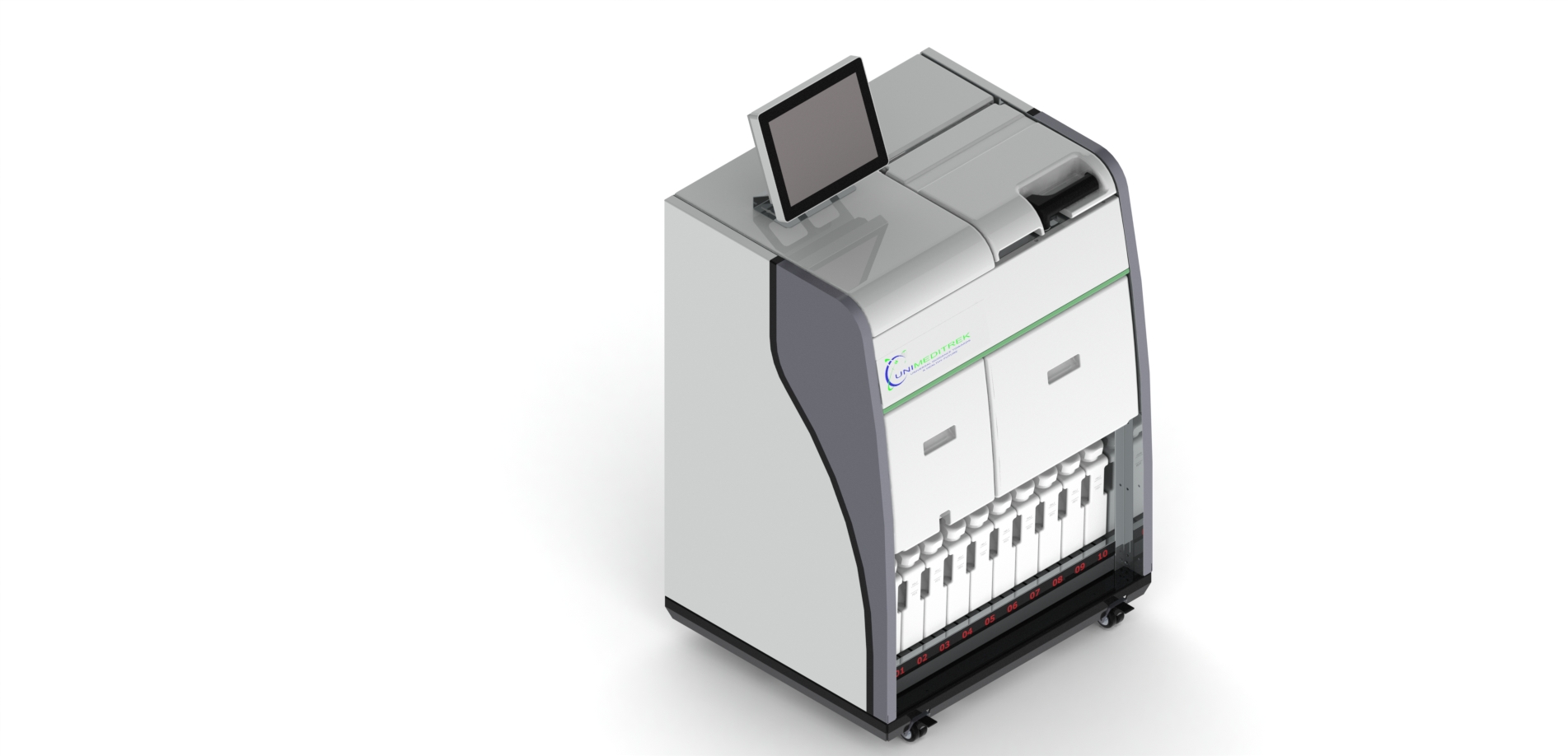
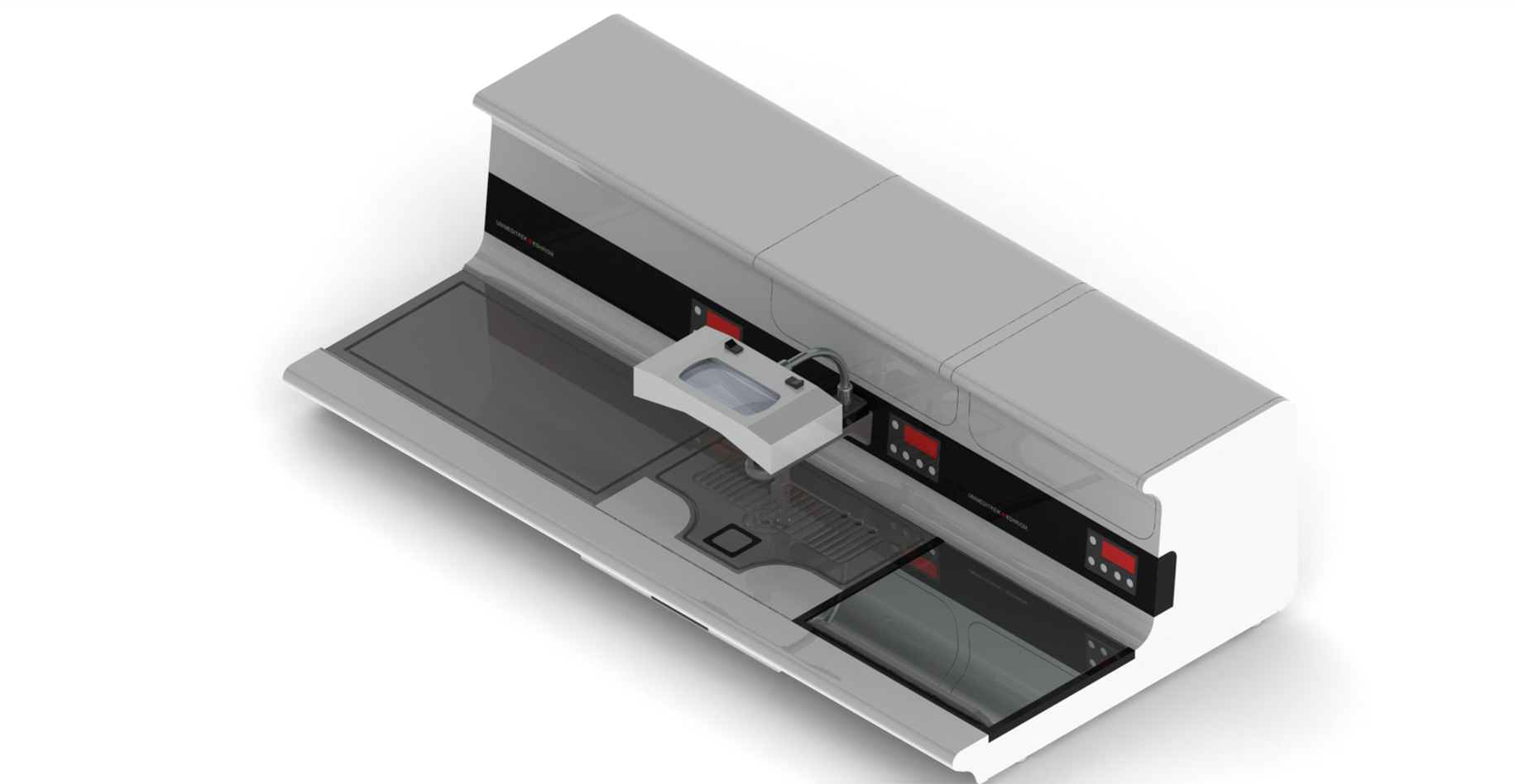
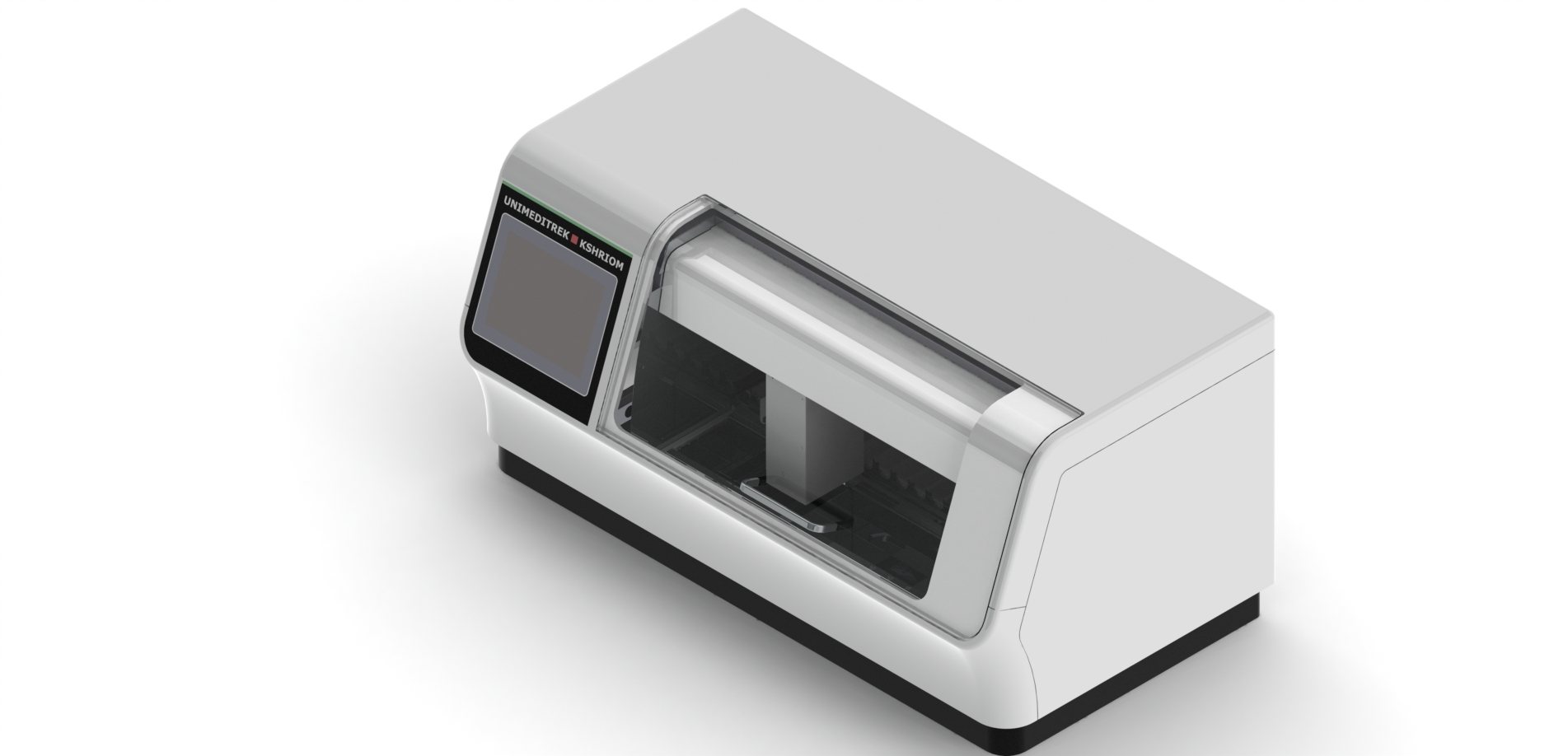
Automatic slide staining machines have revolutionized the way histopathology labs operate. These advanced devices automate the staining process, which traditionally required meticulous manual work. By integrating automation into the workflow, labs can significantly enhance their efficiency, reduce human error, and ensure consistent staining quality across all slides.
These machines are designed to handle various staining protocols, from routine hematoxylin and eosin (H&E) stains to more complex immunohistochemical stains. The automation of these processes not only saves time but also allows technicians to focus on other critical tasks, such as slide interpretation and case management, ultimately contributing to a more efficient lab environment.
Optimizing Workflow with Automation
To maximize the benefits of an automatic slide staining machine, labs should consider optimizing their overall workflow. This involves evaluating each step of the histopathology process to identify opportunities for improvement. For instance, implementing a standardized protocol for specimen processing can reduce variability and ensure that samples are consistently prepared for staining.
Additionally, integrating the slide staining machine with laboratory information systems (LIS) can facilitate seamless communication between different stages of the workflow. This integration allows for real-time tracking of specimens and results, enabling lab personnel to proactively address any issues that may arise during the staining process.
Training and Skill Development
While technology plays a significant role in reducing turnaround time, the importance of skilled personnel cannot be overstated. Proper training and continuous education for lab technicians are essential to ensure they can effectively operate the automatic slide staining machine and troubleshoot any potential issues. Investing in staff development not only enhances the efficiency of the staining process but also fosters a culture of quality and accountability within the lab.
Regular training sessions can cover various aspects, from machine operation to understanding staining protocols. Additionally, encouraging technicians to stay updated on the latest advancements in histopathology can lead to innovative approaches that further enhance lab efficiency. Engaged and knowledgeable staff are more likely to identify areas for improvement and contribute to a culture of continuous improvement.
Quality Control Measures
Maintaining high-quality standards is paramount in histopathology, and this should not be sacrificed in the pursuit of reducing turnaround time. Implementing robust quality control measures is essential to ensure that the results obtained from the slide staining machine are reliable and accurate. Regular calibration and maintenance of the machine are crucial to prevent technical issues that could compromise staining quality.
Additionally, incorporating routine checks and validations of stained slides can help identify any inconsistencies early in the process. By establishing a systematic approach to quality control, labs can ensure that they meet the necessary standards while still benefiting from the time-saving advantages of automation.
Practical Takeaway
Reducing turnaround time in histopathology labs is achievable without cutting corners by leveraging the capabilities of an automatic slide staining machine. By optimizing workflow, investing in staff training, and implementing stringent quality control measures, labs can enhance their efficiency and maintain high standards of diagnostic accuracy. This balanced approach not only benefits the laboratory but also improves patient outcomes through timely and reliable results.
Further reading
For peer-reviewed depth on histopathology practice and quality, these leading journals are excellent references:
- The Journal of Pathology
- Histopathology (Wiley)
- Modern Pathology (USCAP)
- Archives of Pathology & Laboratory Medicine (CAP)
- American Journal of Clinical Pathology
- Journal of Clinical Pathology (BMJ)
Automatic Slide Staining Machine — engineered and serviced in India
Unimeditrek manufactures the Automatic Slide Staining Machine with pan-India installation and service. Explore the full specifications, request a demo, or register to download the brochure — direct from the manufacturer.
View Automatic Slide Staining Machine & request a quote →FAQs
What are the benefits of using an automatic slide staining machine?
Automatic slide staining machines enhance efficiency, reduce human error, and ensure consistent staining quality, ultimately improving turnaround times.
How can labs optimize their workflow when using a slide staining machine?
Labs can optimize workflow by standardizing specimen processing, integrating with laboratory information systems, and regularly evaluating each step of the process.
What training is necessary for staff operating a slide staining machine?
Staff should receive training on machine operation, staining protocols, and troubleshooting methods, along with ongoing education on advancements in histopathology.
Prepared and reviewed by the Unimeditrek technical team based on laboratory practice, installation and service experience. This document explains histopathology workflow, laboratory practice and equipment based on the questions we hear from hospitals, medical colleges and diagnostic laboratories — vendor-neutral where it explains the science and practical where it explains equipment.
Prepared by Unimeditrek Pvt. Ltd.. For product specifications and quotations, contact our team.