Home › Knowledge › Reducing Turnaround Time with a Digital Tissue Floatation Bath
Knowledge articleReducing Turnaround Time with a Digital Tissue Floatation Bath
Enhancing efficiency in histopathology labs
Understanding the Role of Tissue Floatation Baths
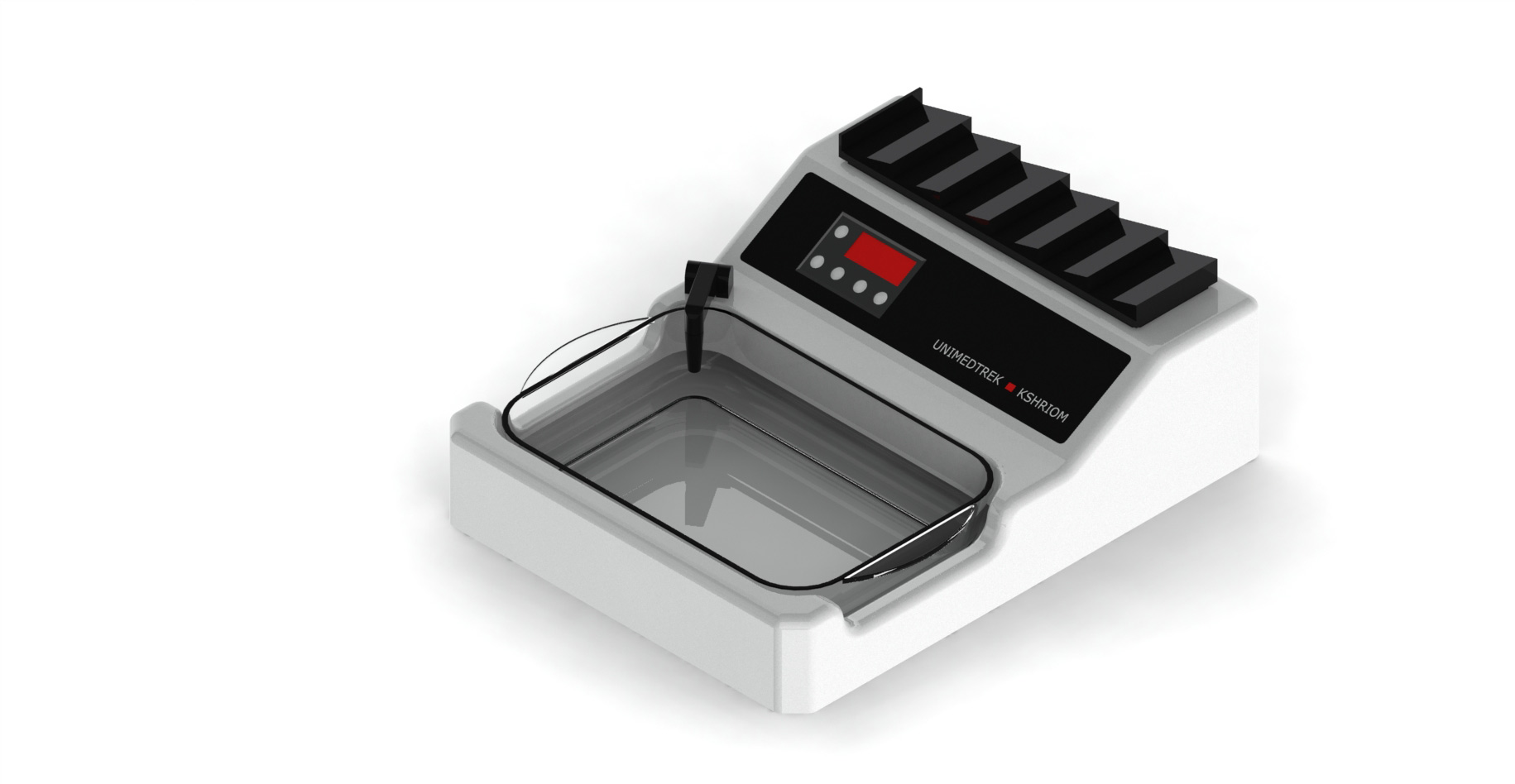
Tissue floatation baths play a crucial role in histopathology by providing a controlled environment for the optimal sectioning of paraffin-embedded tissues. The purpose of these baths is to ensure that the tissue sections are evenly spread out on slides, which is essential for accurate microscopic examination. A well-maintained floatation bath allows for the consistent presentation of tissue samples, facilitating better staining and analysis.
Using a digital tissue floatation bath can significantly enhance the precision of this process. Unlike traditional floatation baths, which may rely on manual temperature settings and monitoring, digital versions offer automated controls that maintain consistent temperatures. This stability is vital, as fluctuations can lead to uneven spreading of tissue samples or even damage to delicate sections. By incorporating technological advancements, labs can improve their workflow and reduce the risk of errors.
Streamlining Workflow with Digital Technology
Implementing a digital tissue floatation bath can streamline the workflow in histopathology labs. With features such as programmable temperature settings and real-time monitoring, lab technicians can focus on other critical tasks without constantly checking the bath's conditions. This efficiency allows for better time management within the lab, as technicians can prepare multiple samples simultaneously, ensuring that no time is wasted waiting for the bath to reach the desired temperature.
Moreover, the digital interface often includes features that allow for easy data logging and tracking of temperature history. This capability is particularly beneficial for labs that require adherence to strict quality control measures. By maintaining a reliable record of the floatation bath's performance, technicians can quickly identify any anomalies, ensuring that the tissue samples are processed under optimal conditions.
Reducing Turnaround Time Without Compromising Quality
Reducing turnaround time is a common challenge faced by histopathology labs, especially in high-demand environments. While it may be tempting to cut corners to expedite results, this approach can lead to compromised quality and accuracy. Instead, optimizing processes through the use of a digital tissue floatation bath allows labs to maintain high standards while improving efficiency.
By ensuring that tissue sections are consistently prepared and ready for staining, a digital tissue floatation bath helps minimize the time spent on reprocessing samples due to errors. This not only speeds up the overall workflow but also enhances the reliability of results. As a result, pathologists can make timely diagnoses, ultimately benefiting patient care.
Training and Best Practices for Lab Technicians
To maximize the benefits of a digital tissue floatation bath, proper training and adherence to best practices are essential. Lab technicians should be well-versed in the operation of the digital interface, understanding how to set and adjust temperature controls as needed. Regular training sessions can help ensure that all staff members are familiar with the equipment and its features, promoting a culture of continuous improvement within the lab.
Additionally, implementing a routine maintenance schedule for the floatation bath is crucial. Regular cleaning and calibration can prevent issues that may arise from buildup or malfunctioning components. By prioritizing maintenance, labs can extend the lifespan of their equipment and ensure that it consistently performs at optimal levels.
The Future of Histopathology with Digital Solutions
The integration of digital solutions in histopathology is an ongoing trend that promises to enhance the efficiency and accuracy of laboratory processes. As technology continues to evolve, labs can expect even more advanced features in equipment such as digital tissue floatation baths. Innovations may include enhanced connectivity options, allowing for integration with laboratory information systems (LIS) for seamless data management.
Moreover, as more labs adopt digital technologies, there will be a collective push towards standardization of practices. This shift will likely lead to improved outcomes across the board, as labs share insights and strategies for optimizing their workflows. By embracing these advancements, histopathology labs can position themselves at the forefront of the field, ultimately benefiting both practitioners and patients alike.
Practical Takeaway
Incorporating a digital tissue floatation bath into your histopathology lab can significantly reduce turnaround times without compromising the quality of results. By streamlining workflows, enhancing training, and prioritizing maintenance, labs can ensure that they operate efficiently while providing accurate and timely diagnoses.
Further reading
For peer-reviewed depth on histopathology practice and quality, these leading journals are excellent references:
- The Journal of Pathology
- Histopathology (Wiley)
- Modern Pathology (USCAP)
- Archives of Pathology & Laboratory Medicine (CAP)
- American Journal of Clinical Pathology
- Journal of Clinical Pathology (BMJ)
Tissue Floatation Bath — engineered and serviced in India
Unimeditrek manufactures the Tissue Floatation Bath with pan-India installation and service. Explore the full specifications, request a demo, or register to download the brochure — direct from the manufacturer.
View Tissue Floatation Bath & request a quote →FAQs
What are the key benefits of using a digital tissue floatation bath?
A digital tissue floatation bath provides consistent temperature control, reduces manual monitoring, and enhances workflow efficiency, leading to improved sample preparation.
How can I ensure the longevity of my tissue floatation bath?
Regular cleaning, calibration, and adherence to a maintenance schedule are essential for extending the lifespan and ensuring optimal performance of your floatation bath.
What training is recommended for lab technicians using a digital tissue floatation bath?
Lab technicians should receive comprehensive training on operating the digital interface, understanding temperature settings, and best practices for sample handling.
Prepared and reviewed by the Unimeditrek technical team based on laboratory practice, installation and service experience. This document explains histopathology workflow, laboratory practice and equipment based on the questions we hear from hospitals, medical colleges and diagnostic laboratories — vendor-neutral where it explains the science and practical where it explains equipment.
Prepared by Unimeditrek Pvt. Ltd.. For product specifications and quotations, contact our team.