Home › Knowledge › Reagent Rotation Schedules for Automatic Tissue Processors
Knowledge articleReagent Rotation Schedules for Automatic Tissue Processors
Understanding solvent management in histopathology labs
 Automatic Tissue Processor — Unimeditrek" style="max-width:100%;border-radius:10px"/>
Introduction to Reagent Rotation
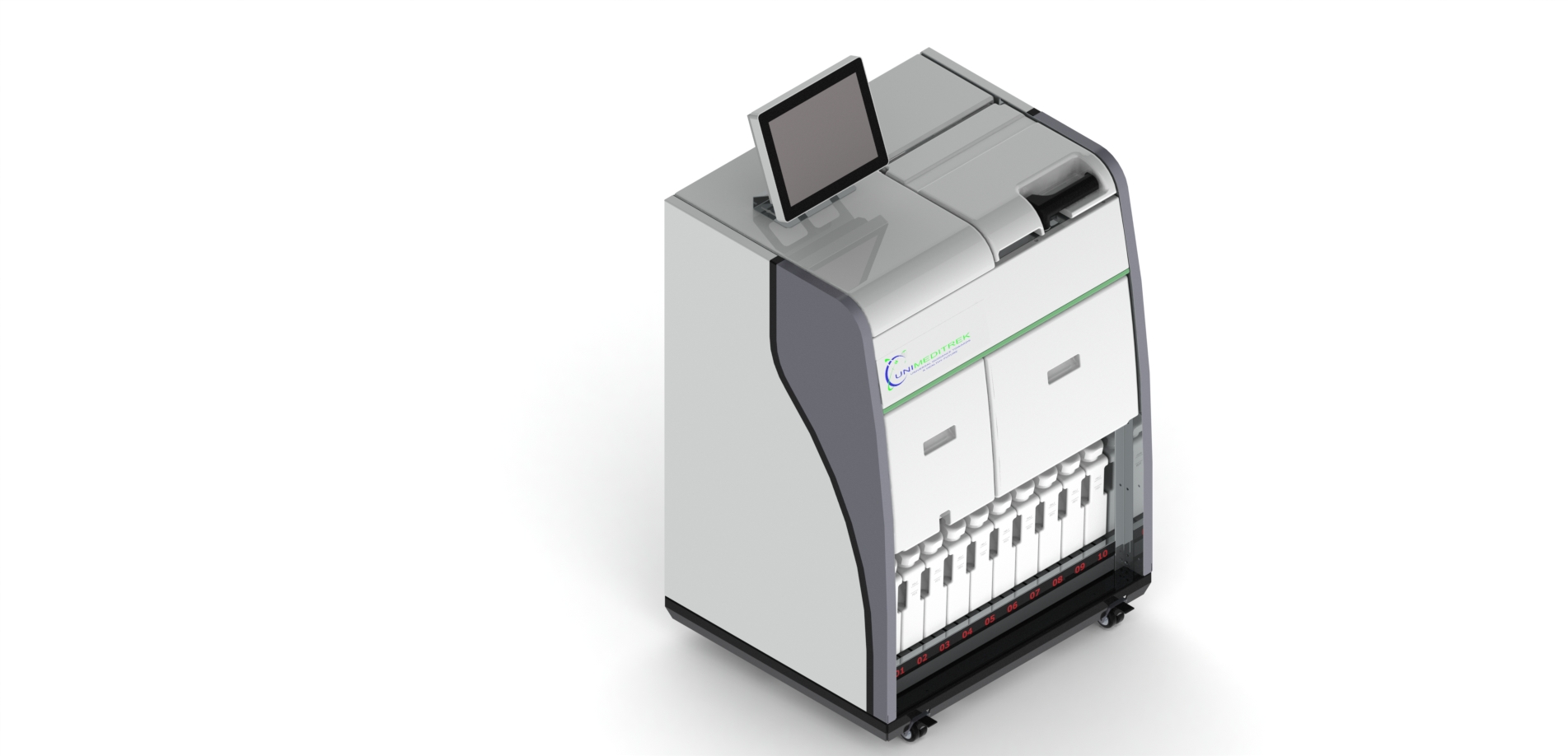
In histopathology labs, the proper management of reagents is crucial for ensuring high-quality tissue processing. The automatic tissue processor plays a pivotal role in this process, as it automates the infiltration of tissue samples with various solvents and embedding media. One of the key aspects of maintaining the efficiency of an automatic tissue processor is developing a well-structured reagent rotation schedule. This schedule helps in minimizing contamination, ensuring consistent results, and extending the life of the reagents used.
Reagent rotation involves systematically changing the solvents used in the tissue processing cycle. It is essential to monitor the performance of each reagent, as over time, they can become saturated with tissue debris or lose their effectiveness. By establishing a rotation schedule, lab technicians can ensure that fresh solvents are used regularly, which can significantly improve the quality of the processed samples and reduce the risk of artifacts during microscopic examination.
Understanding Solvent Change Frequency
The frequency of solvent changes in an automatic tissue processor depends on various factors, including the type of tissue being processed, the volume of samples, and the specific reagents used. For instance, if the lab is processing a high volume of fatty tissues, the xylene or toluene solvent may become contaminated more quickly due to lipid solubility. In such cases, more frequent changes may be necessary to maintain optimal processing conditions.
Generally, it is advisable to change the solvents after a predetermined number of cycles or when the clarity of the solvent diminishes. Observing the physical appearance of the solvents can provide valuable insights into their condition. A cloudy or discolored solvent indicates that it may be time for a change. Additionally, keeping a log of reagent usage can help in establishing a reliable schedule tailored to the specific needs of the lab.
Best Practices for Reagent Management
Implementing best practices for reagent management can enhance the performance of the automatic tissue processor and ensure the quality of processed samples. One effective strategy is to label containers with the date of the solvent change, which helps technicians keep track of when each reagent was last replaced. This simple practice can prevent delays in processing and maintain the integrity of the samples.
Another best practice is to perform routine maintenance checks on the automatic tissue processor itself. Regular cleaning of the processor’s components, such as the reagent containers and drainage systems, can prevent cross-contamination and ensure that reagents remain effective. Additionally, training staff on the importance of reagent management and providing clear protocols can foster a culture of diligence in maintaining high-quality standards in the lab.
Impact of Improper Reagent Rotation
Failing to adhere to proper reagent rotation schedules can lead to significant issues in tissue processing. Contaminated or ineffective solvents can produce poor-quality samples, resulting in inaccurate diagnoses. Artifacts may appear in histological sections, leading to misinterpretations by pathologists. Furthermore, prolonged use of the same solvents can increase the risk of chemical degradation, which can compromise the integrity of both the reagents and the samples.
Moreover, improper reagent management may lead to increased costs due to the need for reprocessing samples or additional staining procedures to correct for artifacts. In a busy histopathology lab, these inefficiencies can not only affect turnaround times but also impact the overall workflow and productivity. Therefore, establishing a systematic approach to reagent rotation and solvent changes is essential for maintaining high-quality histopathological services.
Conclusion and Practical Takeaway
As a practical takeaway, consider creating a visual chart that outlines your lab's specific reagent rotation schedule. This can serve as a quick reference for technicians and help maintain consistency in solvent management practices.
FAQs
How often should solvents be changed in an automatic tissue processor?
The frequency of solvent changes depends on usage and the type of tissue processed, but it's advisable to change them after a certain number of cycles or when they appear cloudy.
What are the signs that a solvent needs to be replaced?
Signs that a solvent should be replaced include cloudiness, discoloration, or a noticeable decrease in performance during tissue processing.
Can improper reagent management affect diagnostic accuracy?
Yes, improper reagent management can lead to poor-quality samples and artifacts, which may result in inaccurate diagnoses.
Prepared and reviewed by the Unimeditrek technical team based on laboratory practice, installation and service experience. This document explains histopathology workflow, laboratory practice and equipment based on the questions we hear from hospitals, medical colleges and diagnostic laboratories — vendor-neutral where it explains the science and practical where it explains equipment.
Prepared by Unimeditrek Pvt. Ltd.. For product specifications and quotations, contact our team.