Home › Knowledge › Preventive Maintenance Checklist for Vacuum Tissue Processors
Knowledge articlePreventive Maintenance Checklist for Vacuum Tissue Processors
Ensure longevity and efficiency in your lab equipment
Introduction to Preventive Maintenance
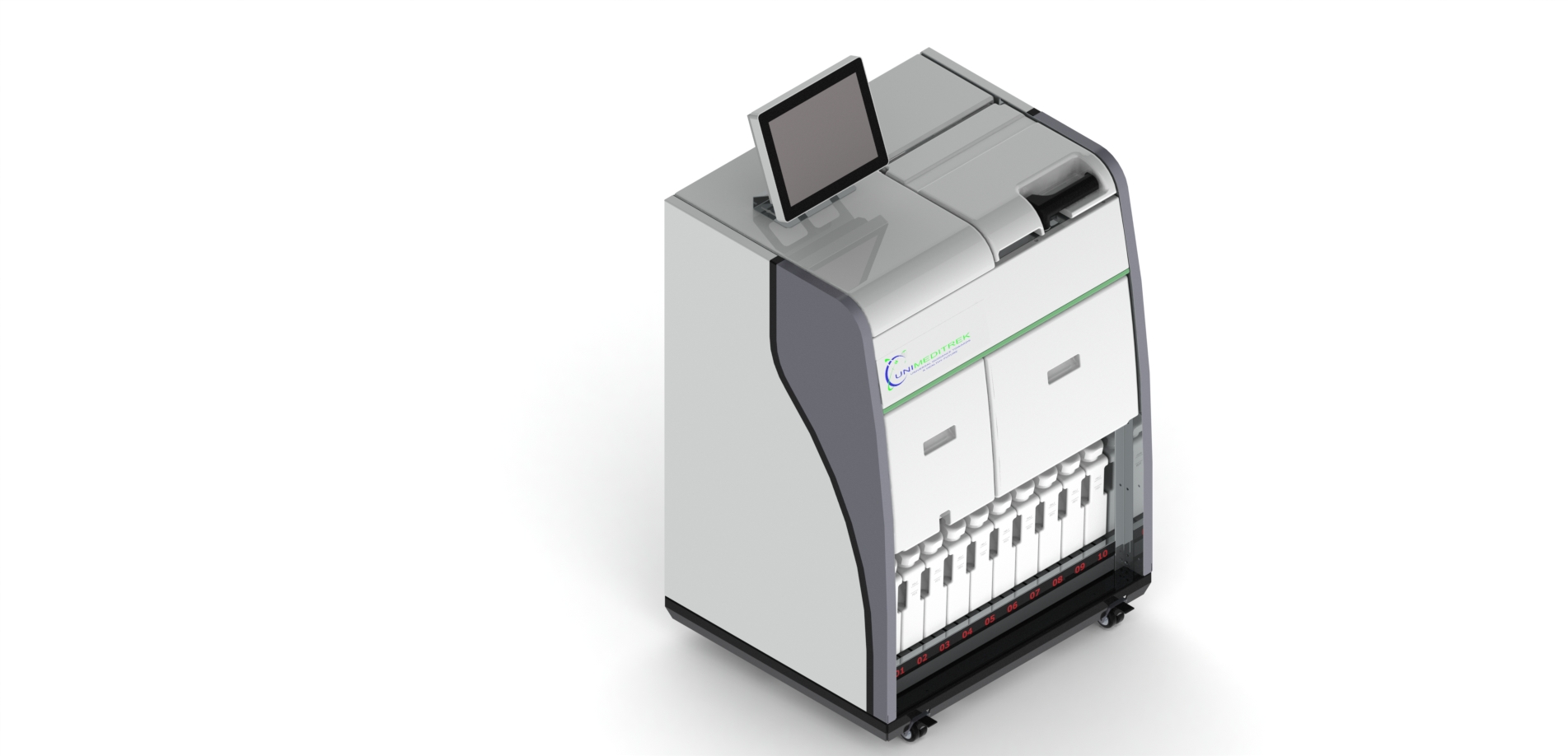
Preventive maintenance is crucial for ensuring the longevity and efficiency of laboratory equipment, particularly for sensitive devices like the vacuum tissue processor. Regular maintenance not only helps to avoid unexpected breakdowns but also ensures that the equipment operates at optimal levels, providing consistent and reliable results. In histopathology labs, where precision is paramount, a well-maintained tissue processor is essential for the quality of tissue samples and subsequent analysis.
The vacuum tissue processor is a pivotal piece of equipment in the histopathology workflow, responsible for the infiltration and embedding of tissue samples. Given its complexity and the critical role it plays, establishing a preventive maintenance checklist can be incredibly beneficial. This checklist should be tailored to the specific model and usage conditions of your processor, ensuring that all necessary components are regularly checked and maintained.
Daily Maintenance Tasks
Daily maintenance tasks are fundamental for the smooth operation of the vacuum tissue processor. At the start of each day, it is advisable to inspect the processor for any visible signs of wear or damage. Check for leaks in the vacuum system, as these can significantly affect the processor's performance. Additionally, ensure that all containers are clean and free from any residual chemicals or tissue debris from the previous day's operations.
Furthermore, it is essential to verify that the vacuum levels are functioning correctly. This can usually be done by monitoring the pressure gauges or indicators present on the device. If any discrepancies are noted, they should be addressed immediately to prevent any adverse effects on the tissue processing cycle. Also, ensure that the processor's software, if applicable, is updated and functioning properly to avoid any operational glitches.
Weekly Maintenance Tasks
Weekly maintenance tasks build on the daily checks and are crucial for maintaining the overall health of the vacuum tissue processor. One of the key activities is to perform a thorough cleaning of the processor's interior and exterior surfaces. This includes removing any accumulated dust, chemicals, or biological materials that could interfere with the processor's operation. Using appropriate cleaning agents that do not damage the equipment is vital for this task.
In addition, it is important to inspect and clean the vacuum pump and filters. Clogged filters can lead to reduced efficiency and may compromise the processing of tissue samples. Regularly replacing or cleaning these components as per the manufacturer's recommendations will help in maintaining optimal vacuum levels and prolonging the life of the processor.
Monthly Maintenance Tasks
Monthly maintenance tasks should involve a more in-depth inspection of the vacuum tissue processor. This includes checking the calibration of the device to ensure that it is functioning within the specified parameters. Calibration is critical, as even minor deviations can lead to significant impacts on tissue processing results.
Additionally, inspect the electrical connections and wiring for any signs of wear or damage. Loose or frayed wires can pose safety hazards and affect the operational efficiency of the processor. It is advisable to consult the user manual for specific guidelines on electrical checks and any other manufacturer-recommended maintenance procedures.
Annual Maintenance Tasks
Annual maintenance tasks are comprehensive and should ideally be performed by a qualified technician. This includes a complete overhaul of the vacuum tissue processor, where all components are inspected, serviced, or replaced as necessary. Regular professional servicing helps to identify potential issues before they become significant problems, ensuring the processor remains in peak condition.
During the annual service, it may be beneficial to conduct a performance test to benchmark the processor's efficiency against its specifications. This can help in identifying any areas that may require attention or upgrades, thereby enhancing the overall functionality of the tissue processing system.
Practical Takeaway
In conclusion, maintaining a vacuum tissue processor requires a systematic approach that includes daily, weekly, monthly, and annual tasks. By adhering to a preventive maintenance checklist, histopathology labs can ensure that their processors operate efficiently, thereby enhancing the quality of tissue processing and the accuracy of diagnostic outcomes. Regular maintenance not only prolongs the life of the equipment but also safeguards the integrity of the samples processed, ultimately benefiting patient care.
Further reading
For peer-reviewed depth on histopathology practice and quality, these leading journals are excellent references:
- The Journal of Pathology
- Histopathology (Wiley)
- Modern Pathology (USCAP)
- Archives of Pathology & Laboratory Medicine (CAP)
- American Journal of Clinical Pathology
- Journal of Clinical Pathology (BMJ)
Automatic Tissue Processor — engineered and serviced in India
Unimeditrek manufactures the Automatic Tissue Processor with pan-India installation and service. Explore the full specifications, request a demo, or register to download the brochure — direct from the manufacturer.
View Automatic Tissue Processor & request a quote →FAQs
What are the benefits of preventive maintenance for a vacuum tissue processor?
Preventive maintenance helps to avoid unexpected breakdowns, ensures optimal performance, and prolongs the lifespan of the equipment, leading to reliable results.
How often should I perform maintenance on my vacuum tissue processor?
Daily, weekly, monthly, and annual maintenance tasks should be scheduled to ensure the processor remains in optimal condition and to identify any potential issues early.
Can I perform maintenance tasks myself, or should I hire a professional?
While some maintenance tasks can be performed by lab personnel, it is advisable to hire a qualified technician for comprehensive annual maintenance to ensure all components are properly serviced.
Prepared and reviewed by the Unimeditrek technical team based on laboratory practice, installation and service experience. This document explains histopathology workflow, laboratory practice and equipment based on the questions we hear from hospitals, medical colleges and diagnostic laboratories — vendor-neutral where it explains the science and practical where it explains equipment.
Prepared by Unimeditrek Pvt. Ltd.. For product specifications and quotations, contact our team.