Home › Knowledge › Planning an Embedding Workflow for Peak Load
Knowledge articlePlanning an Embedding Workflow for Peak Load
Optimizing Tissue Embedding for Efficiency
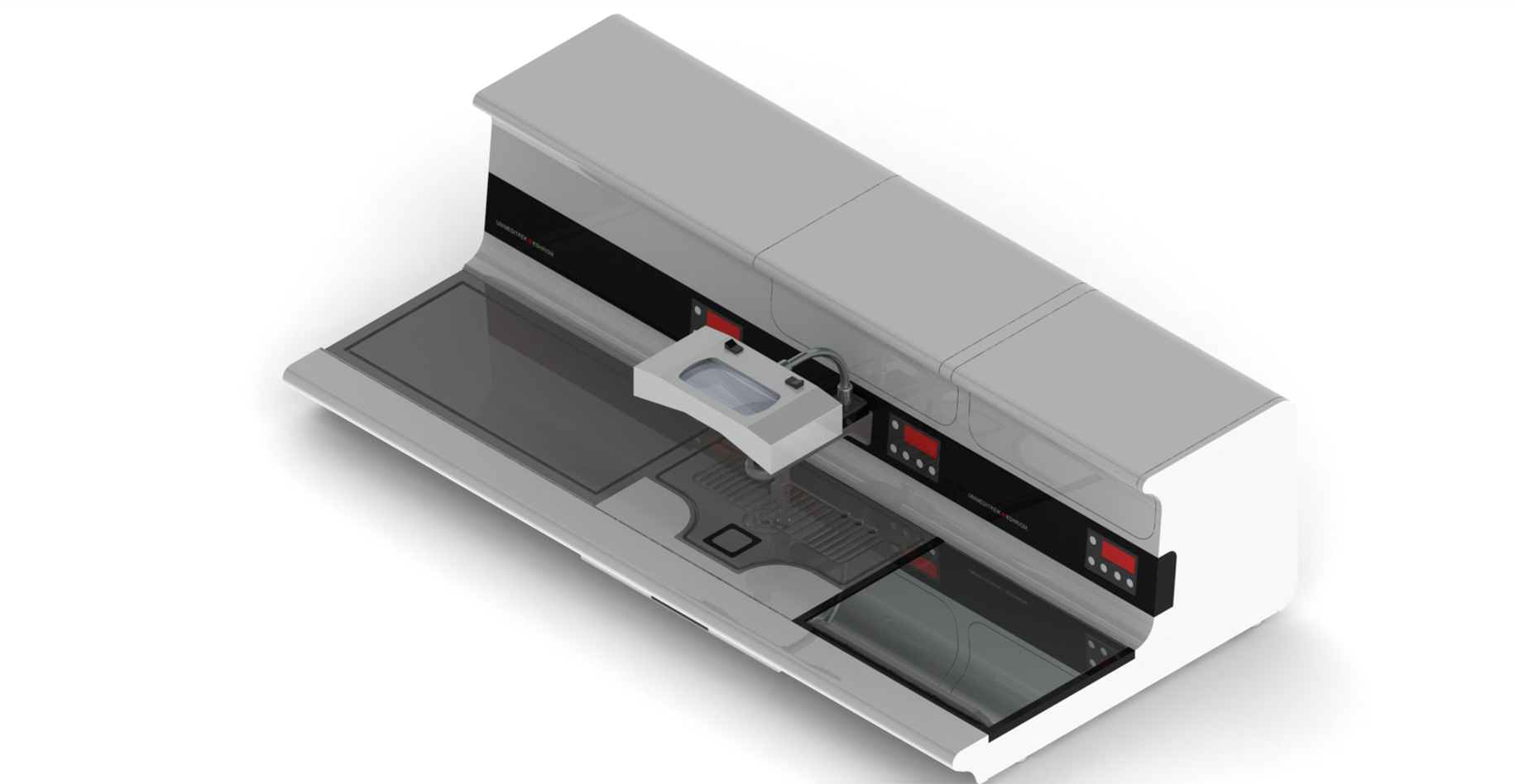 Tissue Embedding Station — Unimeditrek" style="max-width:100%;border-radius:10px"/>
Understanding the Importance of Workflow Planning
In histopathology labs, the efficiency of the embedding process can significantly impact the overall turnaround time for tissue samples. Proper planning is crucial, especially during peak load periods when the volume of samples increases. The tissue embedder plays a vital role in this process, as it directly affects how quickly and effectively samples can be prepared for further analysis. A well-structured workflow ensures that the embedding process is streamlined, reducing bottlenecks and facilitating a smooth operation.
During peak times, the demand for quick processing can lead to a chaotic environment if not managed properly. By anticipating the workflow needs and preparing in advance, lab technicians can avoid unnecessary delays. This involves considering factors such as the number of samples expected, the time required for each embedding cycle, and the personnel available to handle the workload. An optimized workflow not only enhances productivity but also maintains the quality of the histopathological samples, which is paramount for accurate diagnosis.
Assessing Sample Volume and Types
Before setting up a workflow, it is essential to assess the expected sample volume and types that will be processed during peak load. Different tissues may require varying embedding techniques and times, which can influence the scheduling of the embedding process. For instance, delicate tissues might need more careful handling and longer embedding times compared to tougher specimens. Understanding these nuances allows for better planning and resource allocation.
Additionally, categorizing samples based on priority can help in managing the workflow effectively. High-priority samples that require urgent attention should be embedded first, while routine samples can be scheduled accordingly. This strategic approach ensures that critical cases are handled promptly, minimizing the risk of delays in diagnosis. Keeping a log of sample types and their embedding requirements can also serve as a reference for future peak load planning.
Streamlining the Embedding Process
To optimize the embedding process, it is crucial to streamline each step involved. This includes ensuring that all necessary materials, such as embedding molds, paraffin wax, and labeling systems, are readily available and organized. A well-organized workspace can significantly reduce the time spent searching for supplies, allowing technicians to focus on the embedding process itself.
Moreover, training staff on the operation of the tissue embedder and the embedding process can enhance efficiency. Regular training sessions can help technicians stay updated on best practices and any new features of the equipment. Encouraging teamwork during peak periods can also facilitate a smoother workflow, allowing for tasks to be delegated based on individual strengths and expertise.
Implementing Technology and Automation
Incorporating technology into the embedding workflow can greatly enhance efficiency, particularly during peak load times. Modern tissue embedders often come equipped with features that automate various aspects of the embedding process, such as temperature control and timing. Utilizing these automated features can help maintain consistency and reduce the likelihood of human error, which is especially beneficial when processing a high volume of samples.
Additionally, integrating a laboratory information management system (LIMS) can streamline the tracking of samples throughout the embedding process. This technology allows for real-time monitoring of sample status, ensuring that technicians are aware of which samples are ready for embedding and which are still pending. By leveraging technology, labs can create a more efficient workflow that minimizes delays and enhances overall productivity.
Evaluating and Adjusting the Workflow
After implementing a planned embedding workflow, it is essential to continuously evaluate its effectiveness. Gathering feedback from the lab staff on the workflow can provide valuable insights into areas that may need adjustment. Monitoring key performance indicators, such as turnaround time and sample quality, can help identify any bottlenecks or inefficiencies in the embedding process.
Based on this evaluation, adjustments can be made to improve the workflow further. This could involve reorganizing the workspace, reallocating resources, or even upgrading equipment if necessary. A flexible approach to workflow planning allows labs to adapt to changing demands and maintain a high level of efficiency, even during peak load times.
Practical Takeaway
Effective planning of the embedding workflow is crucial for handling peak load periods in histopathology labs. By assessing sample volume, streamlining processes, leveraging technology, and continuously evaluating performance, labs can optimize their tissue embedding operations. Remember, a well-organized and efficient workflow not only enhances productivity but also ensures the quality of histopathological samples, ultimately leading to better patient outcomes.
FAQs
What is the role of a tissue embedder in histopathology?
A tissue embedder is crucial for preparing tissue samples for microscopic examination by embedding them in a medium, typically paraffin, which preserves the tissue structure.
How can I improve the efficiency of my embedding workflow?
Improving efficiency involves assessing sample types and volumes, organizing the workspace, training staff, and leveraging automation technologies in the embedding process.
What should I consider when planning for peak load in the lab?
When planning for peak load, consider the expected sample volume, prioritize urgent cases, ensure all materials are available, and evaluate staff readiness to handle increased workload.
Prepared and reviewed by the Unimeditrek technical team based on laboratory practice, installation and service experience. This document explains histopathology workflow, laboratory practice and equipment based on the questions we hear from hospitals, medical colleges and diagnostic laboratories — vendor-neutral where it explains the science and practical where it explains equipment.
Prepared by Unimeditrek Pvt. Ltd.. For product specifications and quotations, contact our team.