Home › Knowledge › Placing Sections Correctly on a Slide Warming Table
Knowledge articlePlacing Sections Correctly on a Slide Warming Table
Mastering the Art of Slide Preparation
 Slide Warming Table — Unimeditrek" style="max-width:100%;border-radius:10px"/>
Understanding the Importance of Proper Section Placement
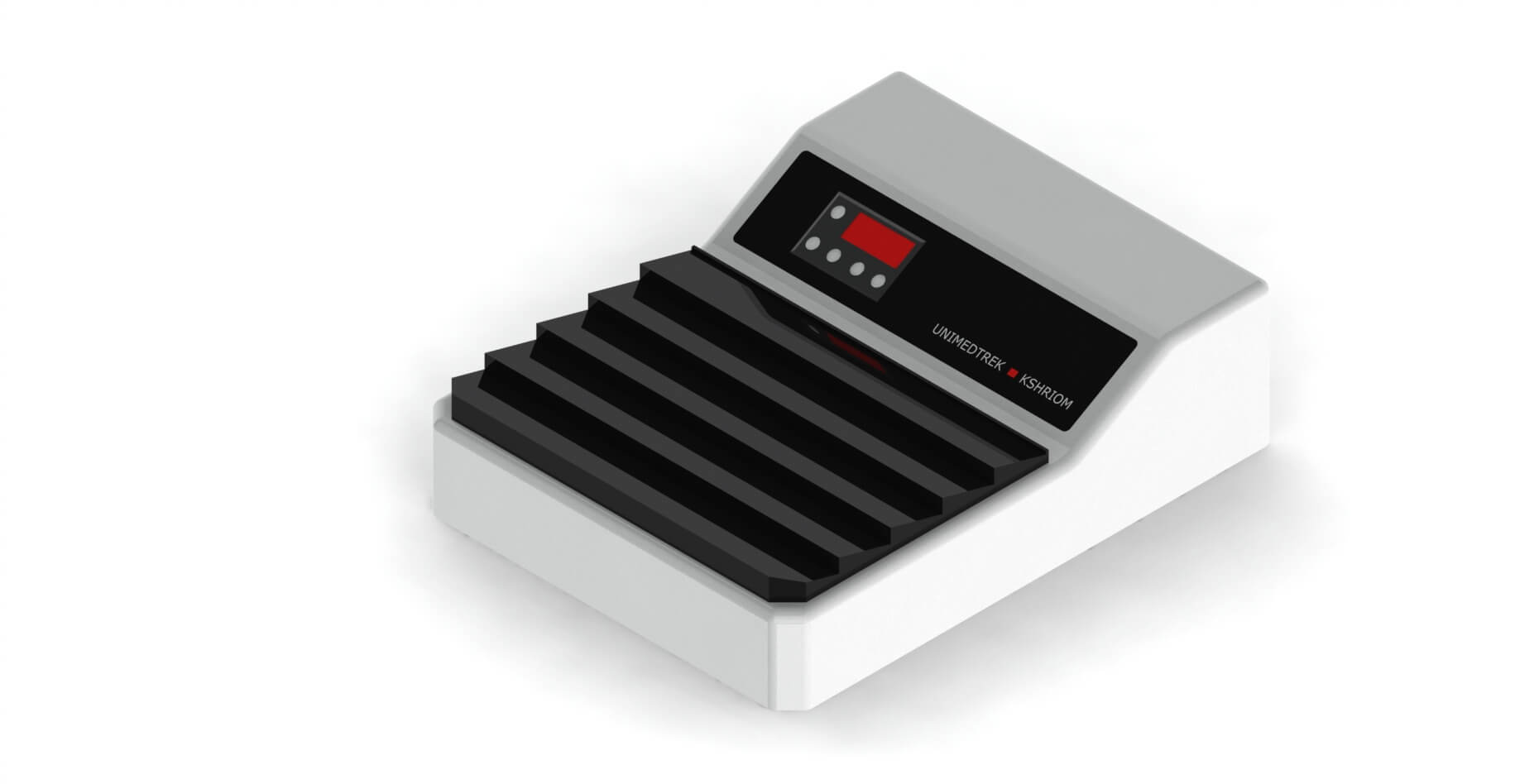
In histopathology, the accuracy of slide preparation is crucial for obtaining reliable diagnostic results. The slide warming table plays a vital role in this process by ensuring that tissue sections adhere properly to the slides. Proper placement of sections on the warming table not only aids in the preservation of cellular morphology but also enhances the staining process. This is particularly important for delicate sections that can easily become dislodged or distorted.
When tissue sections are placed correctly on the warming table, the heat helps to evaporate excess moisture, allowing the sections to dry evenly. This uniform drying is essential for achieving optimal staining results. If sections are improperly placed or overlap, it can lead to uneven drying and staining, ultimately compromising the diagnostic quality of the slides. Therefore, understanding the best practices for section placement is essential for every histopathology technician.
Preparing the Slide Warming Table
Before placing sections on the warming table, it is important to ensure that the table is clean and maintained at the appropriate temperature. Any contaminants or debris on the surface can interfere with the adhesion of the sections, leading to artifacts that can obscure diagnostic features. Regular cleaning with appropriate solutions, as recommended by the manufacturer, is essential for maintaining the integrity of the warming table.
Additionally, familiarize yourself with the specific features of the slide warming table you are using. Some models may have adjustable temperature settings or specialized surfaces designed to enhance adhesion. Understanding these features will allow you to optimize the conditions for your particular workflow, ensuring that each slide is prepared under the best possible circumstances.
Techniques for Correct Placement of Sections
When placing sections on the slide warming table, it is essential to handle them with care. Use forceps or a suitable tool to avoid direct contact with the sections, which can lead to contamination or damage. Gently place each section onto the slide, ensuring that it is oriented correctly. Pay attention to the direction of the section, as misalignment can affect the interpretation of results.
Spacing between sections is also crucial. Ensure that there is enough space between each slide to prevent overlapping. Overlapping sections can cause difficulty in staining and may lead to misinterpretation of results. A good practice is to place sections with a slight gap to allow for even heating and drying, which is particularly important when using heat-sensitive stains.
Monitoring and Adjusting Conditions on the Warming Table
Once the sections are placed on the slide warming table, it is important to monitor the drying process. Some technicians prefer to check the slides periodically to ensure that they are drying evenly and to adjust the temperature if necessary. Understanding the characteristics of the tissue being processed can also inform decisions about drying time and temperature settings.
In some cases, it may be beneficial to experiment with different drying times and temperatures to find the optimal conditions for your specific workflow. This experimentation can lead to improved staining quality and overall slide preparation efficiency. Always document any changes made to the process for future reference and to maintain consistency in slide preparation.
Practical Takeaway for Lab Technicians
In summary, the effective use of a slide warming table is an essential skill for histopathology technicians. By understanding the importance of proper section placement, preparing the table adequately, employing correct techniques for placement, and monitoring conditions during the drying process, technicians can significantly enhance the quality of their slides. These practices not only ensure better diagnostic outcomes but also contribute to the overall efficiency of the histopathology lab.
As you refine your technique, remember that consistency is key. Developing a routine that incorporates these best practices will lead to improved results and greater confidence in your slide preparation process. Always keep learning and adapting to new techniques and technologies to stay at the forefront of histopathology.
FAQs
What is the purpose of a slide warming table?
A slide warming table is used to heat slides, helping tissue sections adhere properly and ensuring even drying for optimal staining.
How do I clean a slide warming table?
Clean the slide warming table regularly with appropriate cleaning solutions, avoiding abrasive materials that could damage the surface.
What should I do if the sections overlap on the slide?
If sections overlap, carefully reposition them using forceps to ensure even spacing and prevent issues with staining and interpretation.
Prepared and reviewed by the Unimeditrek technical team based on laboratory practice, installation and service experience. This document explains histopathology workflow, laboratory practice and equipment based on the questions we hear from hospitals, medical colleges and diagnostic laboratories — vendor-neutral where it explains the science and practical where it explains equipment.
Prepared by Unimeditrek Pvt. Ltd.. For product specifications and quotations, contact our team.