Home › Knowledge › Overnight vs Rapid Processing with a Fully Automatic Tissue Processor
Knowledge articleOvernight vs Rapid Processing with a Fully Automatic Tissue Processor
Choosing the right schedule for optimal results
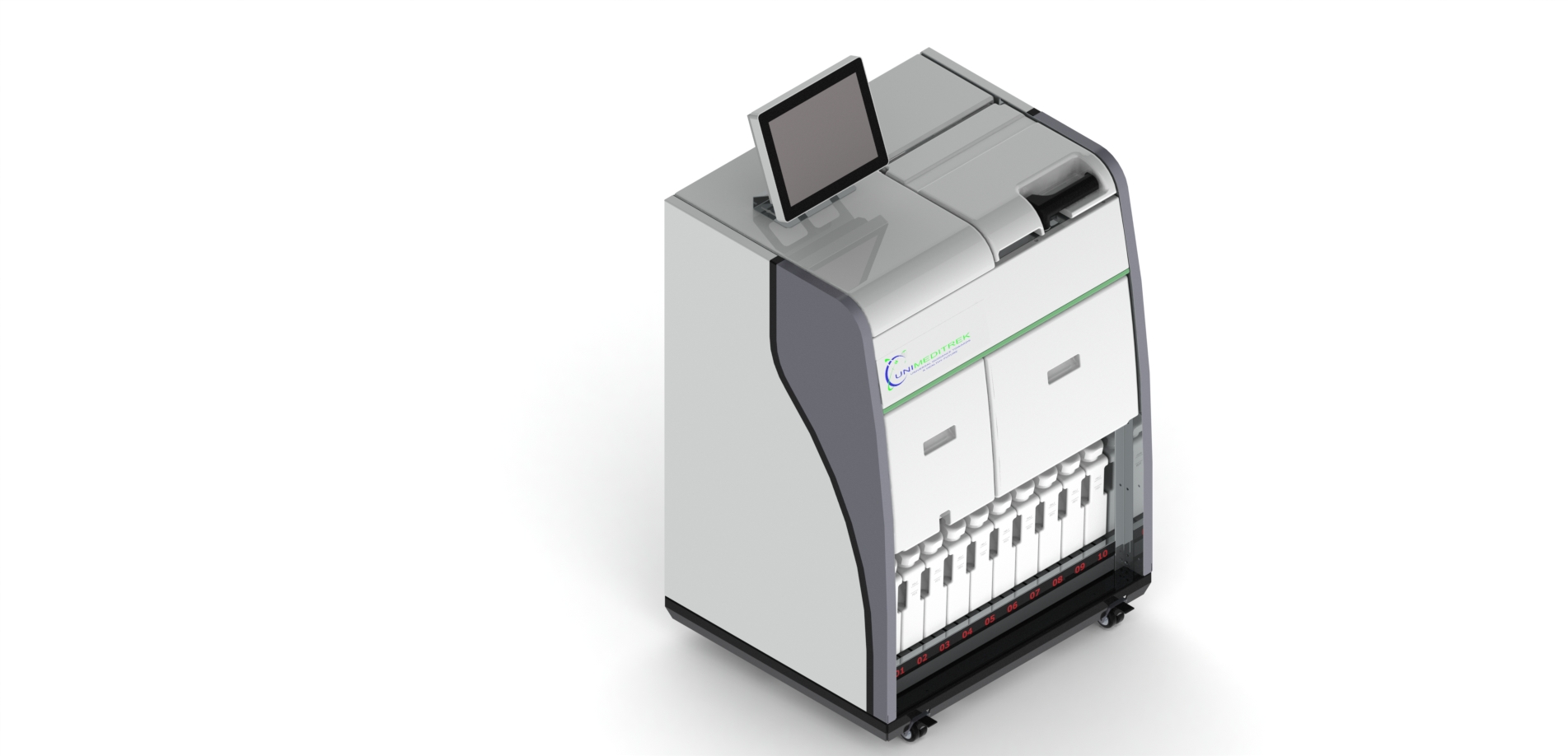 Automatic Tissue Processor — Unimeditrek" style="max-width:100%;border-radius:10px"/>
Understanding Tissue Processing Schedules
Tissue processing is a critical step in histopathology that affects the quality of the final tissue sections. The choice between overnight and rapid processing schedules can significantly influence the outcome of histological examinations. Each method has its own set of advantages and considerations, making it vital for lab technicians and pathologists to understand the nuances involved.
Overnight processing typically involves a longer duration where tissues are exposed to various reagents, allowing for thorough infiltration and embedding. This traditional approach is often preferred for delicate specimens that require careful handling and extended time in fixatives and processing solutions. On the other hand, rapid processing schedules are designed to expedite the workflow, making them suitable for high-throughput labs where time is of the essence. Understanding these differences helps in making informed decisions based on the specific needs of the laboratory.
Advantages of Overnight Processing
One of the primary advantages of overnight processing is the enhanced quality of tissue preservation. The extended time in fixatives and processing agents allows for better penetration and infiltration, which is particularly important for larger or more complex samples. This method ensures that cellular details are well preserved, leading to improved staining outcomes and diagnostic accuracy.
Additionally, overnight processing can be less stressful for lab personnel, as it allows for a more relaxed workflow. Technicians can prepare samples at the end of the day, allowing the fully automatic tissue processor to handle the processing overnight, freeing up time during peak hours. This can enhance overall lab efficiency and reduce the risk of human error during busy periods.
Benefits of Rapid Processing
Rapid processing schedules are increasingly popular in modern histopathology labs, particularly those with high caseloads. The primary benefit is the significant reduction in turnaround time, allowing for quicker diagnoses and timely patient management. This is crucial in clinical settings where timely intervention can impact patient outcomes.
Moreover, rapid processing can be particularly advantageous for small biopsies or routine samples that do not require extensive fixation. The fully automatic tissue processor can efficiently handle these samples with optimized reagent exposure times, ensuring that the quality of the tissue is maintained while still meeting the demands of a fast-paced environment. This balance between speed and quality is essential for maintaining high standards in histopathological analysis.
Considerations for Choosing a Processing Schedule
When deciding between overnight and rapid processing, several factors must be taken into account. The nature of the specimens being processed is paramount; delicate tissues or those with complex structures may benefit more from the overnight approach, while simpler, smaller samples may be adequately processed using rapid methods. Understanding the specific requirements of each sample type can guide the choice of processing schedule.
Additionally, the capabilities of the laboratory’s fully automatic tissue processor should be considered. Some processors are designed with features that enhance rapid processing without compromising quality, while others may excel in longer processing times. Evaluating the equipment’s specifications and capabilities can help technicians optimize their processing schedules to align with the lab's workflow and patient needs.
Practical Takeaway
In conclusion, both overnight and rapid processing schedules have their unique advantages and applications in histopathology. The choice between them should be guided by the type of specimens, the desired quality of the tissue sections, and the overall workflow of the laboratory. By understanding the strengths and limitations of each approach, lab technicians and pathologists can make informed decisions that enhance diagnostic accuracy and efficiency.
FAQs
- What factors influence the choice between overnight and rapid processing? The choice depends on the nature of the specimens, required quality of tissue sections, and laboratory workflow demands.
- Can a fully automatic tissue processor handle both processing schedules effectively? Yes, many modern fully automatic tissue processors are designed to accommodate both overnight and rapid processing, optimizing workflows based on specific needs.
- How does tissue size affect processing time? Larger or more complex tissues typically require longer processing times to ensure adequate infiltration and preservation, making overnight processing more suitable in such cases.
FAQs
What factors influence the choice between overnight and rapid processing?
The choice depends on the nature of the specimens, required quality of tissue sections, and laboratory workflow demands.
Can a fully automatic tissue processor handle both processing schedules effectively?
Yes, many modern fully automatic tissue processors are designed to accommodate both overnight and rapid processing, optimizing workflows based on specific needs.
How does tissue size affect processing time?
Larger or more complex tissues typically require longer processing times to ensure adequate infiltration and preservation, making overnight processing more suitable in such cases.
Prepared and reviewed by the Unimeditrek technical team based on laboratory practice, installation and service experience. This document explains histopathology workflow, laboratory practice and equipment based on the questions we hear from hospitals, medical colleges and diagnostic laboratories — vendor-neutral where it explains the science and practical where it explains equipment.
Prepared by Unimeditrek Pvt. Ltd.. For product specifications and quotations, contact our team.