Home › Knowledge › Optimizing Turnaround Time with a Paraffin Embedding Station
Knowledge articleOptimizing Turnaround Time with a Paraffin Embedding Station
Strategies for Efficient Histopathology Processes
 Tissue Embedding Station — Unimeditrek" style="max-width:100%;border-radius:10px"/>
Understanding the Importance of Turnaround Time
In the fast-paced environment of histopathology labs, turnaround time is a critical metric that affects not only lab efficiency but also patient care. A shorter turnaround time means that diagnoses can be made more quickly, leading to timely treatment decisions. However, achieving this efficiency should never come at the cost of quality. Each step in the histopathology process, from sample collection to final reporting, must be executed with precision and care.
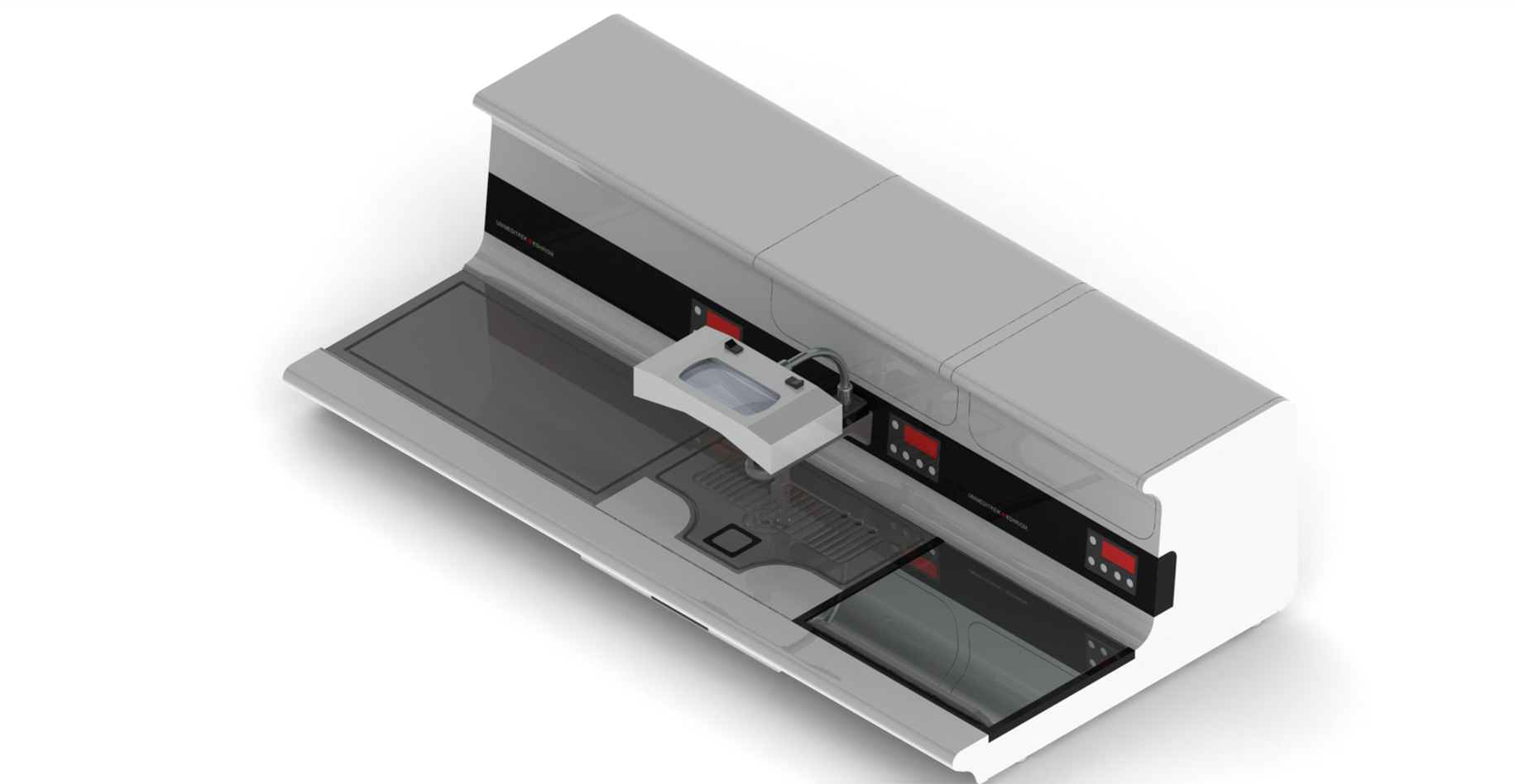
One of the key areas where labs can improve turnaround time is during the embedding process. This is where tissue samples are infiltrated with paraffin wax to create solid blocks that can be easily sliced for microscopic examination. A well-functioning paraffin embedding station is essential for streamlining this process, allowing for faster sample processing without sacrificing the integrity of the specimens.
Streamlining Workflow with Effective Organization
To enhance the efficiency of your paraffin embedding station, it is crucial to adopt an organized workflow. This includes arranging the workspace to minimize unnecessary movements and ensuring that all necessary tools and materials are within easy reach. Consider implementing a systematic approach to sample handling, where specimens are processed in batches. This not only saves time but also reduces the risk of errors, as technicians can focus on a specific set of samples at a time.
Additionally, maintaining a clean and organized embedding area can significantly impact turnaround times. Regularly scheduled cleaning and maintenance of the embedding station and surrounding areas can prevent contamination and ensure that equipment is functioning optimally. Implementing a checklist for daily setup and maintenance can help staff stay accountable and ensure that the embedding station is always ready for use.
Leveraging Technology for Efficiency
Modern paraffin embedding stations often come equipped with advanced technology that can greatly enhance processing speed. Features such as programmable temperature settings, automated wax dispensing, and integrated cooling systems can help streamline the embedding process. By utilizing these technological advancements, labs can reduce manual intervention, allowing technicians to focus on other critical tasks.
Furthermore, training staff to fully utilize the capabilities of the embedding station can lead to significant time savings. Regular training sessions can ensure that all team members are familiar with the equipment and its features, enabling them to troubleshoot common issues quickly and efficiently. This proactive approach not only improves turnaround times but also fosters a culture of continuous improvement within the lab.
Prioritizing Quality Control Measures
While reducing turnaround time is essential, it is equally important to maintain stringent quality control measures throughout the embedding process. Implementing a robust quality assurance program can help identify potential issues before they escalate, ensuring that samples are processed correctly and efficiently. Regular audits of the embedding process can help pinpoint areas for improvement and provide opportunities for staff training.
Furthermore, using high-quality embedding materials can significantly impact the quality of the final specimens. Investing in reliable paraffin wax and embedding molds can reduce the likelihood of artifacts and improve the overall quality of tissue sections. This, in turn, can lead to more accurate diagnoses and better patient outcomes, reinforcing the importance of quality in every aspect of the histopathology workflow.
Fostering a Team-Oriented Environment
The efficiency of a histopathology lab is often a reflection of the teamwork and communication among its members. Encouraging a collaborative environment where team members can share insights and strategies for improving workflow can lead to innovative solutions for reducing turnaround time. Regular team meetings to discuss challenges, successes, and best practices can foster a sense of ownership and responsibility among staff.
Moreover, recognizing and rewarding team efforts can enhance motivation and productivity. Celebrating small wins and acknowledging the hard work of individuals can create a positive atmosphere that encourages continuous improvement. When lab technicians feel valued and engaged, they are more likely to contribute to the overall efficiency of the embedding process.
Practical Takeaway
Reducing turnaround time in histopathology labs is achievable through a combination of effective organization, leveraging technology, prioritizing quality, and fostering teamwork. By optimizing the use of your paraffin embedding station and implementing these strategies, labs can enhance their efficiency and ultimately improve patient care.
Further reading
For peer-reviewed depth on histopathology practice and quality, these leading journals are excellent references:
- The Journal of Pathology
- Histopathology (Wiley)
- Modern Pathology (USCAP)
- Archives of Pathology & Laboratory Medicine (CAP)
- American Journal of Clinical Pathology
- Journal of Clinical Pathology (BMJ)
Tissue Embedding Station — engineered and serviced in India
Unimeditrek manufactures the Tissue Embedding Station with pan-India installation and service. Explore the full specifications, request a demo, or register to download the brochure — direct from the manufacturer.
View Tissue Embedding Station & request a quote →FAQs
What is the role of a paraffin embedding station in histopathology?
A paraffin embedding station is essential for infiltrating tissue samples with paraffin wax, creating solid blocks for slicing and examination under a microscope.
How can I improve the efficiency of my paraffin embedding process?
Improving efficiency can be achieved by organizing the workspace, leveraging technology, training staff, and maintaining quality control measures.
What are some common issues faced during the embedding process?
Common issues include contamination, improper wax temperature, and inadequate training of staff, all of which can impact the quality and turnaround time of samples.
Prepared and reviewed by the Unimeditrek technical team based on laboratory practice, installation and service experience. This document explains histopathology workflow, laboratory practice and equipment based on the questions we hear from hospitals, medical colleges and diagnostic laboratories — vendor-neutral where it explains the science and practical where it explains equipment.
Prepared by Unimeditrek Pvt. Ltd.. For product specifications and quotations, contact our team.