Home › Knowledge › Optimizing Throughput for Your Slide Stainer
Knowledge articleOptimizing Throughput for Your Slide Stainer
Maximizing efficiency in busy histopathology labs
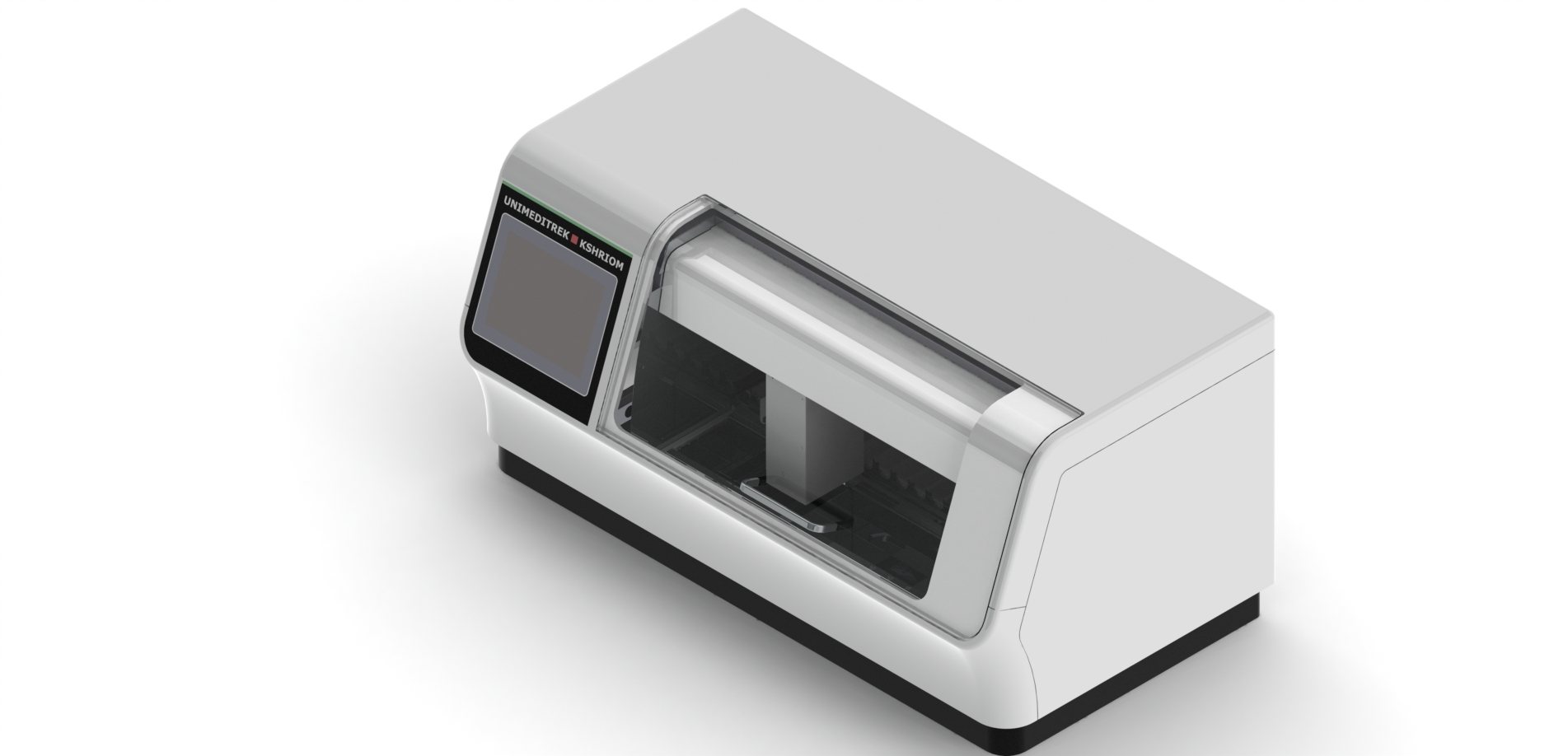 Automatic Slide Staining Machine — Unimeditrek" style="max-width:100%;border-radius:10px"/>
Understanding Throughput in Histopathology
Throughput in a histopathology lab refers to the number of samples processed in a given timeframe. It is crucial for laboratories to maintain high throughput, especially during peak times when the demand for staining increases. A well-planned staining bench can help ensure that your slide stainer operates at optimal capacity, minimizing delays and maximizing efficiency. Understanding the factors that influence throughput is essential for any lab technician or pathologist looking to improve their workflow.
Several factors can impact throughput, including the type of staining protocols used, the complexity of the samples, and the overall organization of the staining bench. For instance, more intricate staining techniques may require additional steps, which can slow down the process. Therefore, having a clear understanding of the staining protocols and their requirements can help you better plan your throughput. Moreover, ensuring that the staining bench is well-organized and that all necessary materials are readily available can significantly enhance efficiency.
Assessing Your Current Workflow
Before you can optimize your throughput, it is vital to assess your current workflow. This involves examining each step of the staining process, from sample preparation to the final staining and analysis. Take note of any bottlenecks or delays that occur during the staining process. For example, if the slide stainer is frequently waiting for samples to be prepared, it may be necessary to reevaluate the sample preparation process or allocate additional resources to this step.
Additionally, consider the layout of your staining bench. A well-designed workspace can facilitate a smoother workflow. Ensure that the slide stainer is positioned conveniently, with easy access to reagents, slides, and other necessary equipment. By conducting a thorough assessment of your current workflow, you can identify areas for improvement and implement changes that will enhance your throughput.
Implementing Efficient Staining Protocols
Once you have assessed your current workflow, the next step is to implement efficient staining protocols. Streamlining staining processes can significantly enhance throughput. Consider adopting standardized staining protocols that can be applied to multiple samples, reducing the time spent on each individual slide. Additionally, utilizing automation features of your slide stainer can help minimize manual intervention, further increasing efficiency.
It's also beneficial to regularly review and update your staining protocols. As new techniques and reagents become available, integrating these advancements can improve the quality and speed of your staining process. Collaborating with other lab professionals and attending workshops or training sessions can provide valuable insights into optimizing staining protocols and keeping your lab competitive.
Training and Team Collaboration
Training your team is a crucial aspect of optimizing throughput at your staining bench. Ensure that all lab technicians are well-versed in the operation of the slide stainer and understand the importance of following established protocols. Regular training sessions can help reinforce best practices and keep the team informed about any updates or changes in procedures.
Encouraging collaboration among team members can also enhance efficiency. Establishing a clear communication channel allows technicians to share insights and troubleshoot issues as they arise. A collaborative environment fosters a sense of ownership and accountability, which can lead to improved performance and throughput. By investing in your team’s development, you can create a more efficient and productive staining bench.
Monitoring and Continuous Improvement
Monitoring the performance of your slide stainer and the overall throughput of your staining bench is essential for continuous improvement. Utilize metrics to track the number of slides processed, the time taken for each staining cycle, and any instances of errors or delays. This data can provide valuable insights into the efficiency of your staining process and highlight areas that may require further attention.
Implementing a feedback loop within your lab can facilitate continuous improvement. Encourage team members to share their observations and suggestions for enhancing throughput. Regularly reviewing performance data and team feedback can help you identify trends and make informed decisions about necessary adjustments to your workflow or staining protocols.
Practical Takeaway
Optimizing throughput at your slide staining bench requires a comprehensive approach that includes assessing current workflows, implementing efficient protocols, training your team, and monitoring performance. By focusing on these areas, you can enhance the efficiency of your slide stainer, ultimately resulting in better patient outcomes and a more productive lab environment.
FAQs
What factors can affect the throughput of a slide stainer?
Factors such as staining protocols, sample complexity, and the organization of the staining bench can significantly impact throughput.
How can I streamline staining protocols for better efficiency?
Adopting standardized protocols, utilizing automation features, and regularly reviewing techniques can help streamline your staining processes.
Why is team training important for optimizing throughput?
Training ensures that all team members are proficient in using the slide stainer and following protocols, which enhances overall efficiency and performance.
Prepared and reviewed by the Unimeditrek technical team based on laboratory practice, installation and service experience. This document explains histopathology workflow, laboratory practice and equipment based on the questions we hear from hospitals, medical colleges and diagnostic laboratories — vendor-neutral where it explains the science and practical where it explains equipment.
Prepared by Unimeditrek Pvt. Ltd.. For product specifications and quotations, contact our team.