Home › Knowledge › Optimizing Special-Stain Scheduling on a Shared Slide Staining Machine
Knowledge articleOptimizing Special-Stain Scheduling on a Shared Slide Staining Machine
Maximizing efficiency in histopathology labs
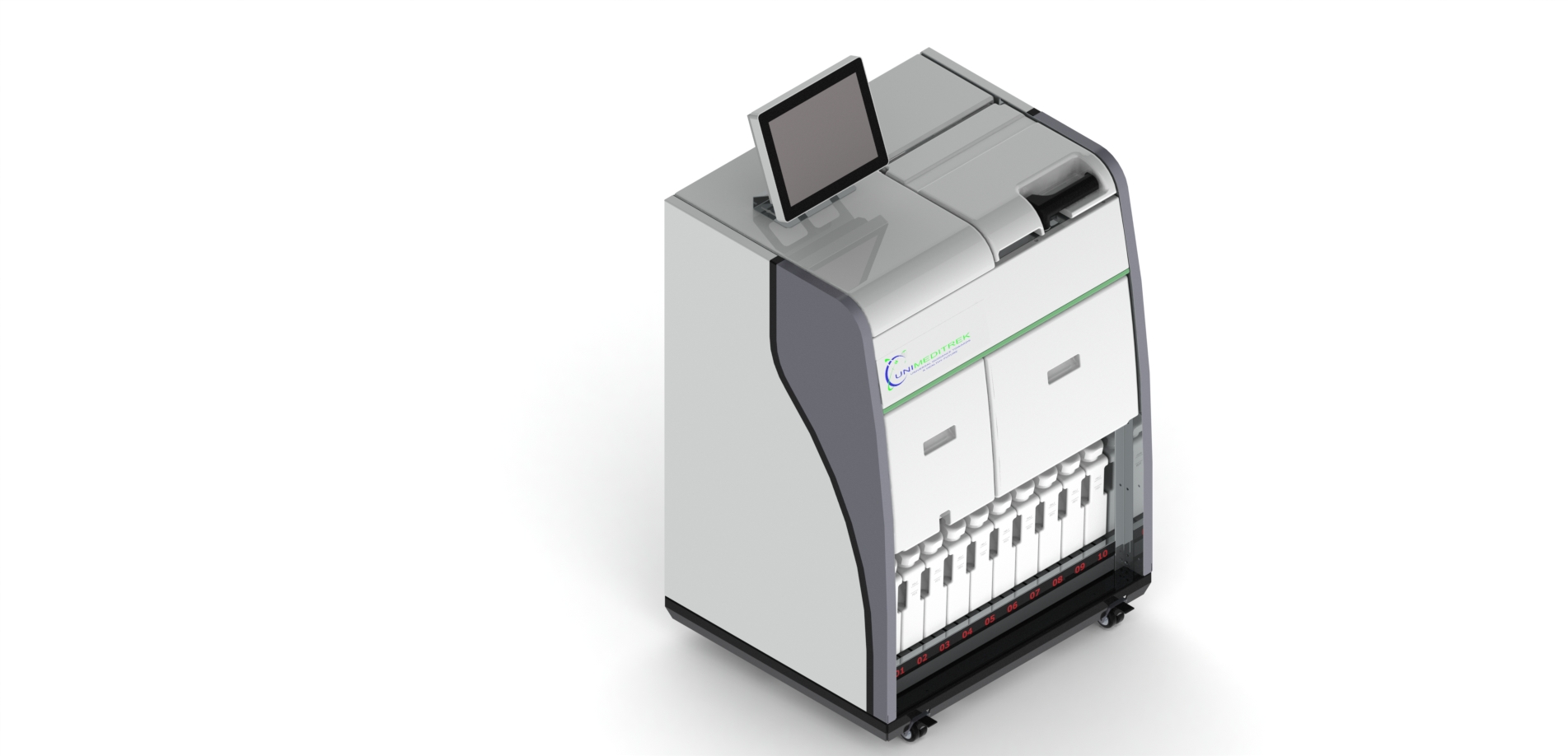
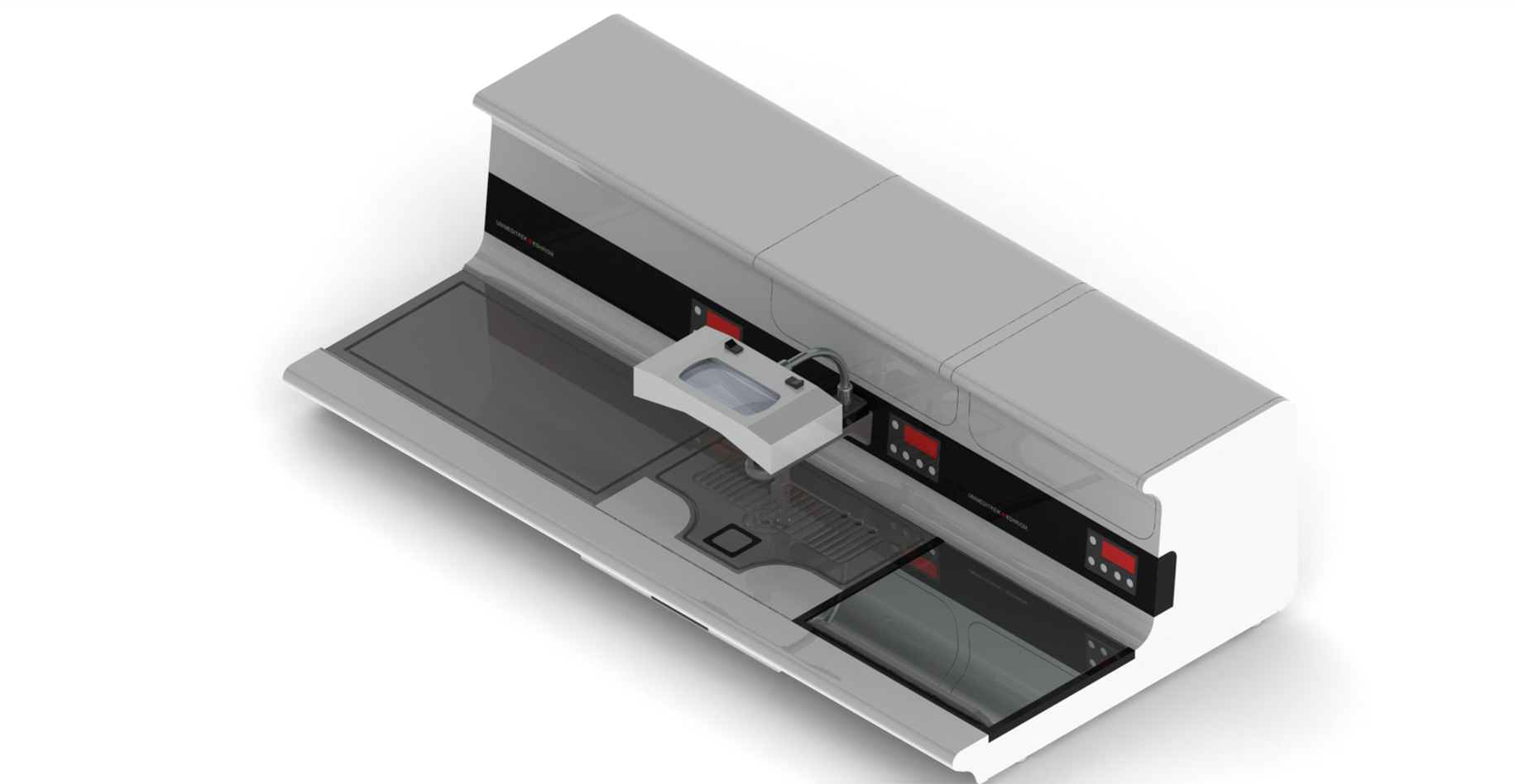
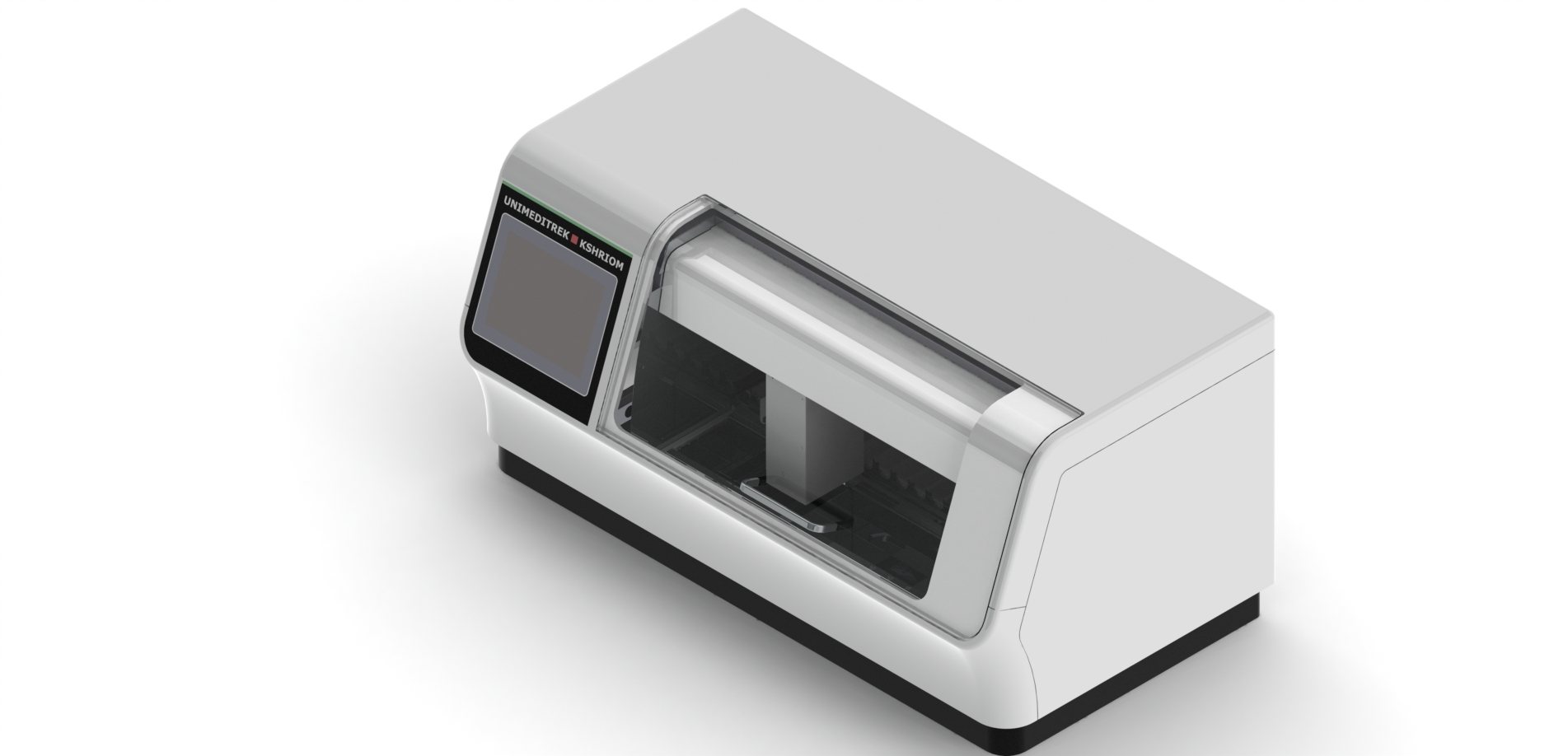 Automatic Slide Staining Machine — Unimeditrek" style="max-width:100%;border-radius:10px"/>
Understanding the Importance of Special Staining
In histopathology, special stains play a crucial role in the identification and characterization of various tissue components. Unlike routine stains, which may highlight general tissue structures, special stains are designed to target specific cellular components, pathogens, or biochemical markers. This specificity is essential for accurate diagnosis and can significantly impact patient management. For instance, stains like Masson's trichrome can differentiate between collagen and muscle fibers, while Gram stains are vital for identifying bacterial infections.
Given their importance, the scheduling of special stains becomes a critical task in a histopathology laboratory. When using a shared slide staining machine, careful planning and coordination are necessary to ensure that the needs of all pathologists and technicians are met without compromising the quality of the staining process. This requires a clear understanding of the stains, their protocols, and the workflow of the laboratory.
Strategies for Effective Scheduling
To optimize the use of a shared slide staining machine, labs should implement a collaborative scheduling system. This can be as simple as a shared digital calendar where technicians can book time slots for specific stains. Each entry should include the type of stain, the number of slides, and any specific requirements for the staining process. By having a centralized scheduling system, everyone in the lab can see what stains are upcoming and plan their work accordingly.
Moreover, it's beneficial to categorize stains based on their complexity and time requirements. For example, some stains may require longer incubation times or additional steps, while others are relatively quick. By grouping similar stains together, technicians can efficiently batch process slides, reducing downtime and maximizing the use of the slide staining machine. Regular communication among team members is also essential to adjust the schedule as needed, especially when unexpected cases arise.
Training and Standard Operating Procedures
To ensure that all lab personnel are proficient in using the slide staining machine, comprehensive training should be provided. This includes not only the technical aspects of operating the machine but also an understanding of the staining protocols for each special stain. Standard Operating Procedures (SOPs) should be developed and readily accessible to all staff members. These SOPs should detail the steps for each stain, including preparation, application, and post-staining analysis.
Additionally, regular refresher courses can help maintain a high level of expertise among lab technicians. These sessions can cover new stains, updates to existing protocols, or troubleshooting common issues that may arise during the staining process. By investing in training and SOPs, labs can ensure consistent results, which is especially important when multiple technicians are using the same equipment.
Quality Control and Documentation
Quality control is paramount in histopathology, and this extends to the use of special stains on a shared slide staining machine. It is essential to implement a robust quality assurance program that includes regular checks of the staining process and results. This can involve reviewing stained slides for consistency and accuracy, as well as documenting any discrepancies that may occur during staining.
Documentation is also vital for tracking the usage of the slide staining machine. Keeping detailed records of which stains were performed, when, and by whom can help identify patterns of usage and potential areas for improvement. This data can be invaluable for future scheduling and for assessing the performance of the staining machine itself. Labs should consider using a digital logging system to streamline this process, making it easier to access and analyze information over time.
Practical Takeaway for Lab Technicians
For technicians working in histopathology labs, optimizing the scheduling of special stains on a shared slide staining machine is essential for maintaining workflow efficiency and ensuring high-quality results. By implementing a collaborative scheduling system, providing comprehensive training, and maintaining rigorous quality control measures, labs can enhance their operational effectiveness. Remember, effective communication and organization are key to successfully managing the complexities of special stains in a shared environment.
Further reading
For peer-reviewed depth on histopathology practice and quality, these leading journals are excellent references:
- The Journal of Pathology
- Histopathology (Wiley)
- Modern Pathology (USCAP)
- Archives of Pathology & Laboratory Medicine (CAP)
- American Journal of Clinical Pathology
- Journal of Clinical Pathology (BMJ)
Automatic Slide Staining Machine — engineered and serviced in India
Unimeditrek manufactures the Automatic Slide Staining Machine with pan-India installation and service. Explore the full specifications, request a demo, or register to download the brochure — direct from the manufacturer.
View Automatic Slide Staining Machine & request a quote →FAQs
What are special stains used for in histopathology?
Special stains are used to identify specific cellular components, pathogens, or biochemical markers in tissue samples, aiding in accurate diagnosis.
How can I improve scheduling for special stains in my lab?
Implement a shared digital calendar for bookings, categorize stains by complexity, and encourage regular communication among team members.
What should I include in standard operating procedures for staining?
SOPs should detail preparation, application, and post-staining analysis steps for each stain, ensuring consistency and quality in the staining process.
Prepared and reviewed by the Unimeditrek technical team based on laboratory practice, installation and service experience. This document explains histopathology workflow, laboratory practice and equipment based on the questions we hear from hospitals, medical colleges and diagnostic laboratories — vendor-neutral where it explains the science and practical where it explains equipment.
Prepared by Unimeditrek Pvt. Ltd.. For product specifications and quotations, contact our team.