Home › Knowledge › Optimal Drying Times and Temperatures for Adhesion
Knowledge articleOptimal Drying Times and Temperatures for Adhesion
Ensuring Quality in Histopathology
 Slide Warming Table — Unimeditrek" style="max-width:100%;border-radius:10px"/>
Understanding the Importance of Adhesion in Histology
In histopathology, the process of preparing tissue samples for microscopic examination is crucial. One of the key factors that influence the quality of these samples is adhesion. Proper adhesion ensures that tissue sections remain firmly attached to glass slides during staining and subsequent handling. If adhesion is inadequate, sections may lift off, leading to loss of valuable data and potentially compromising diagnostic accuracy.
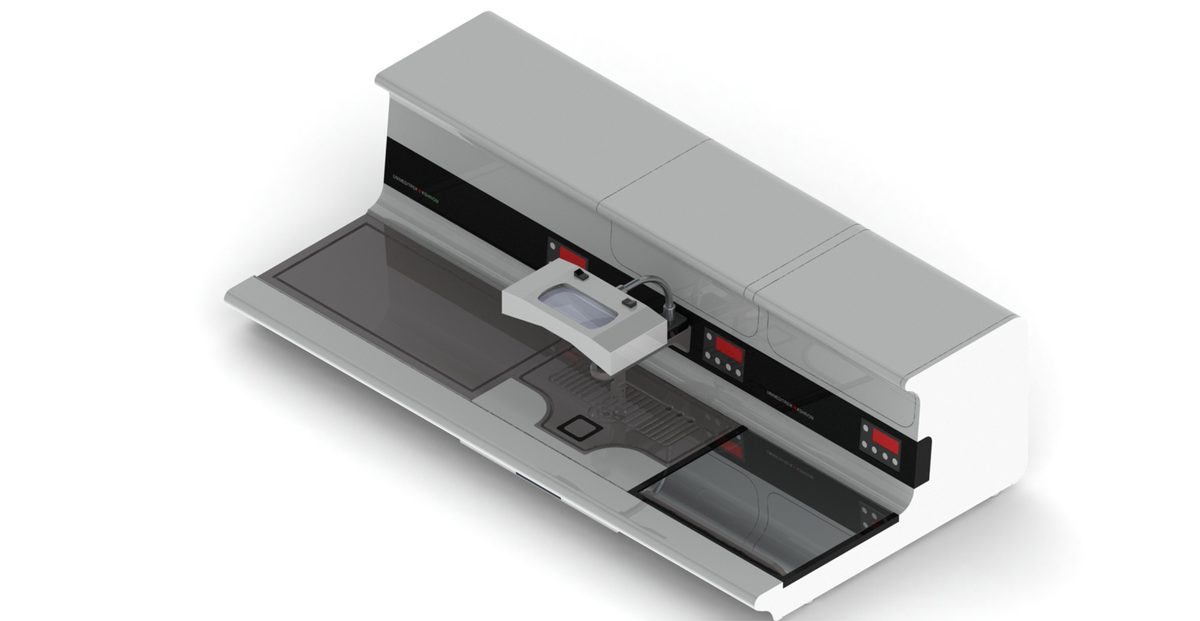
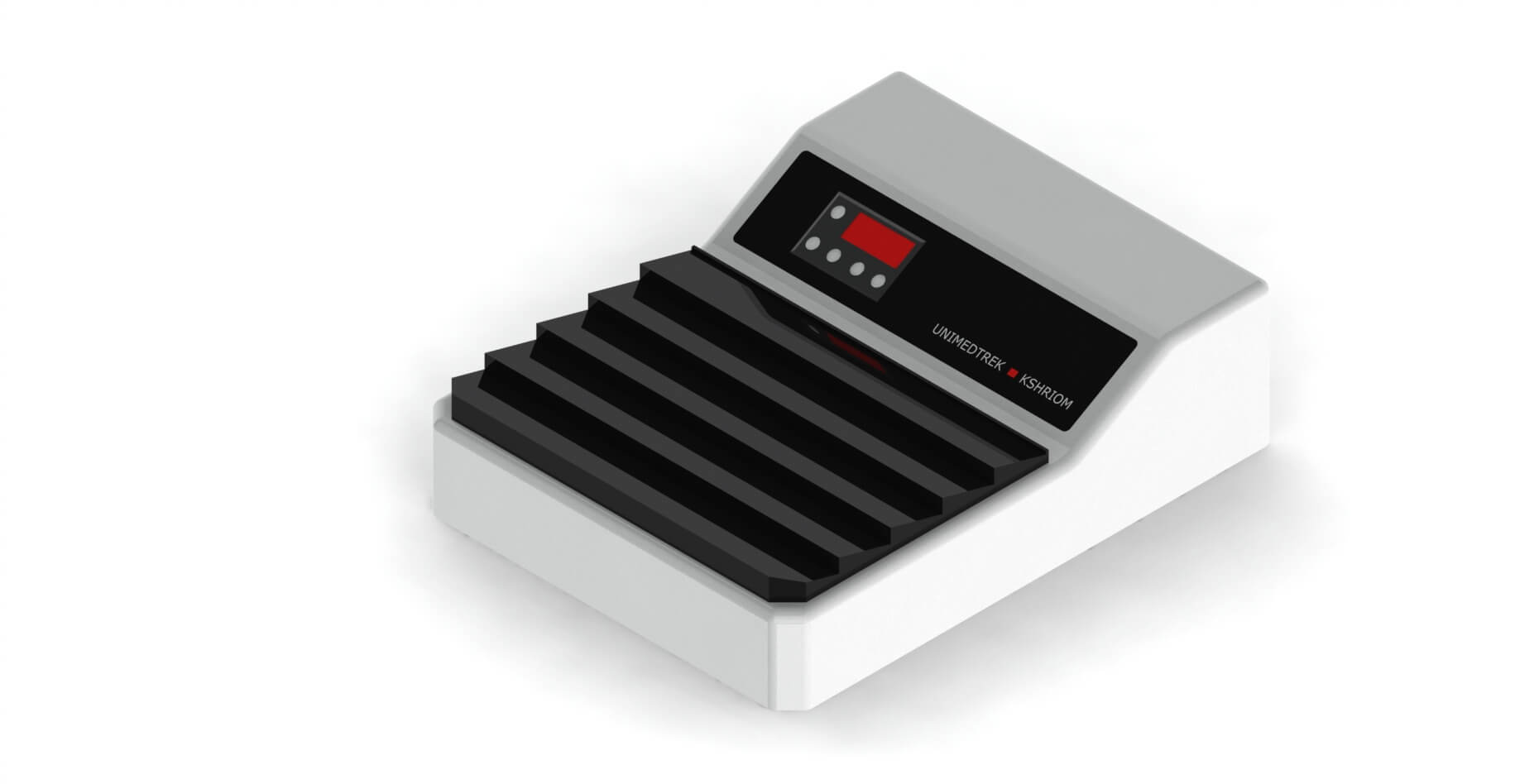
The adhesion of tissue sections is influenced by several factors including the type of tissue, the mounting medium, and the drying conditions. While many laboratories may overlook the specifics of drying times and temperatures, these elements play a vital role in achieving optimal results. The histology hot plate is an essential tool in this regard, providing controlled heating that enhances the adhesion of tissue samples.
Drying Times: Finding the Sweet Spot
Drying time is a critical component in the preparation of histological samples. If the drying time is too short, the mounting medium may not cure properly, leading to weak adhesion. Conversely, excessive drying can lead to tissue distortion or damage. Therefore, finding the right balance is essential. A general guideline is to allow sufficient time for the samples to dry without rushing the process.
In practice, the drying time can vary based on several factors such as the type of tissue, the thickness of the section, and the ambient conditions in the laboratory. It is advisable to conduct preliminary tests to determine the optimal drying time for specific tissues. Using a histology hot plate can significantly streamline this process, as it provides a consistent temperature that promotes uniform drying across all samples.
Temperature Control: A Key to Success
Temperature plays a pivotal role in the drying process. Too low a temperature may result in insufficient drying, while too high a temperature can lead to degradation of the tissue or the mounting medium. The ideal temperature range for drying histological samples typically falls between moderate and elevated levels, which allows for effective evaporation of solvents without damaging the samples.
Utilizing a histology hot plate allows pathologists and lab technicians to maintain a stable and controlled environment for drying. This not only enhances the quality of the adhesion but also reduces variability between samples. It is important to regularly calibrate the equipment to ensure that the set temperatures are accurate and consistent throughout the drying process.
Best Practices for Using a Histology Hot Plate
To maximize the benefits of a histology hot plate, it is essential to follow best practices. First, ensure that the surface of the hot plate is clean and free from any residues that could contaminate the samples. Second, arrange the slides in a way that allows for even heat distribution; overcrowding can lead to uneven drying and compromised adhesion.
Additionally, monitor the drying process closely. While the hot plate provides a controlled environment, it is still important to regularly check the samples to prevent overheating. This can be done by periodically removing a slide to assess the adhesion quality and adjusting the temperature or drying time as necessary.
Practical Takeaway: Achieving Optimal Adhesion
In conclusion, achieving optimal adhesion of tissue sections to glass slides is vital for accurate histopathological analysis. By understanding the significance of drying times and temperatures, lab technicians can improve the quality of their samples. Utilizing a histology hot plate effectively can enhance the drying process, ensuring that samples are properly adhered and ready for staining and examination.
Regular training and adherence to best practices in using the histology hot plate will further contribute to the overall quality of histological preparations. Remember, the goal is not just to prepare samples but to prepare them well, ensuring that every slide tells the story of the tissue it represents.
FAQs
What factors affect drying times for histological samples?
Drying times can be influenced by tissue type, section thickness, and ambient laboratory conditions.
How can I ensure consistent temperatures on the hot plate?
Regular calibration and maintenance of the histology hot plate will help ensure consistent temperature settings.
What should I do if my samples are not adhering properly?
Check the drying time and temperature, and consider adjusting them based on the specific tissue type and mounting medium used.
Prepared and reviewed by the Unimeditrek technical team based on laboratory practice, installation and service experience. This document explains histopathology workflow, laboratory practice and equipment based on the questions we hear from hospitals, medical colleges and diagnostic laboratories — vendor-neutral where it explains the science and practical where it explains equipment.
Prepared by Unimeditrek Pvt. Ltd.. For product specifications and quotations, contact our team.