Home › Knowledge › Maximizing Efficiency with a Slide Drying Table
Knowledge articleMaximizing Efficiency with a Slide Drying Table
Enhancing lab productivity without compromising quality
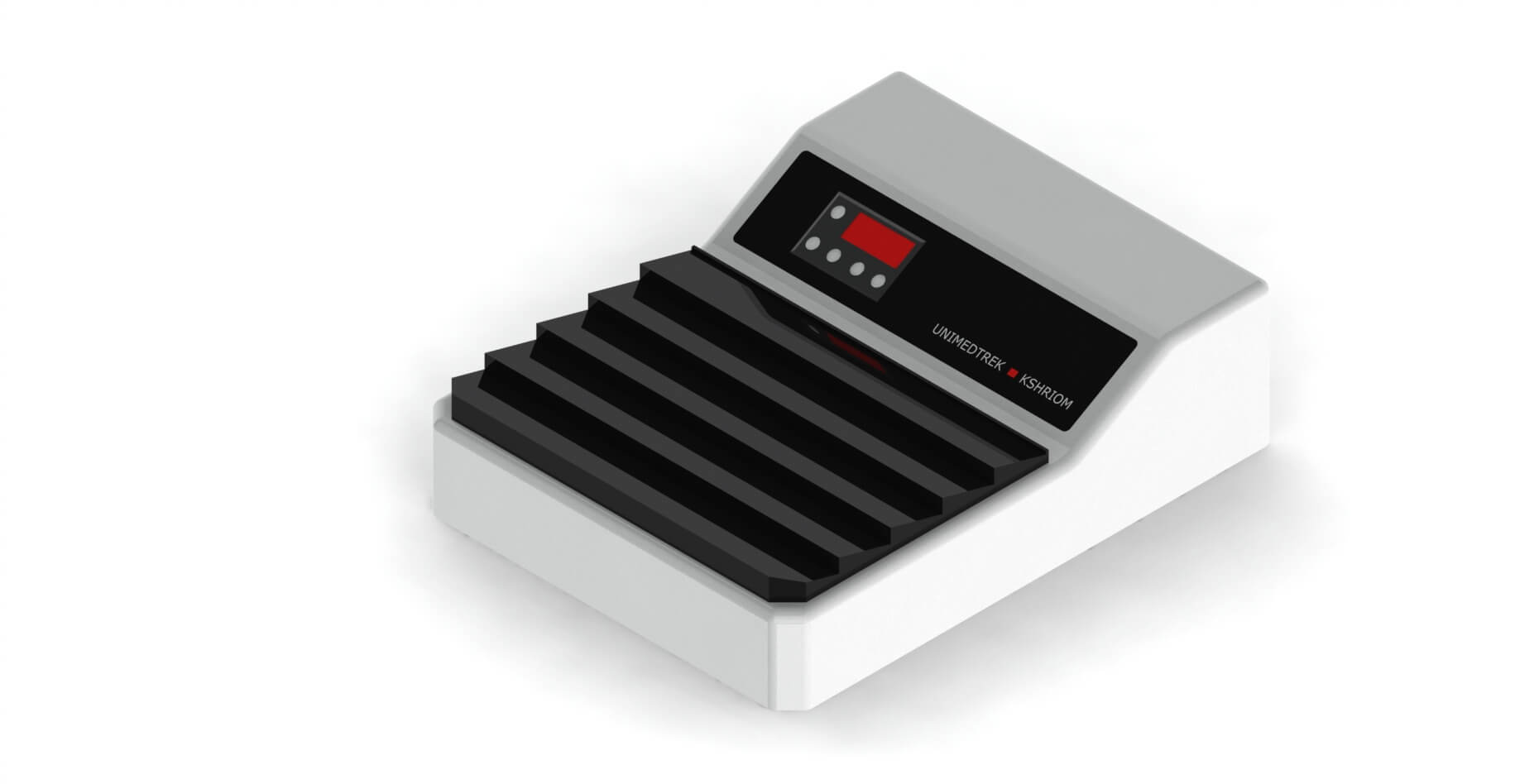 Slide Warming Table — Unimeditrek" style="max-width:100%;border-radius:10px"/>
Understanding the Importance of Turnaround Time
In the realm of histopathology, turnaround time (TAT) is a critical metric that directly impacts patient care. The quicker a lab can process and deliver results, the sooner clinicians can make informed decisions regarding patient treatment. However, as the demand for rapid results increases, laboratories face the challenge of maintaining high-quality standards while striving to reduce TAT. It is essential to find a balance that does not compromise the integrity of the diagnostic process.
Reducing turnaround time involves optimizing various stages of the workflow, from specimen collection to final reporting. Each step must be carefully analyzed to identify bottlenecks and inefficiencies. By focusing on streamlining these processes, laboratories can enhance their overall productivity and ensure timely delivery of results without cutting corners on quality.
The Role of a Slide Drying Table
A slide drying table is an essential tool in histopathology labs, particularly for preparing glass slides for microscopic examination. This equipment facilitates the efficient drying of slides, which is a crucial step before staining and analysis. Properly dried slides ensure that the staining process is uniform and that the results are reliable, which is vital for accurate diagnosis.
Using a slide drying table can significantly reduce the time required for slides to dry compared to traditional methods, such as air drying. By providing a controlled environment with optimal temperature and airflow, the slide drying table accelerates the drying process while preserving the quality of the specimens. This efficiency not only speeds up the workflow but also enhances the overall reliability of the results.
Best Practices for Utilizing a Slide Drying Table
To maximize the benefits of a slide drying table, it is vital to adopt best practices in its use. First, ensure that the equipment is well-maintained and calibrated according to the manufacturer's guidelines. Regular maintenance checks can prevent downtime and ensure that the table operates at peak efficiency.
Additionally, it is important to organize the workflow around the slide drying process. For example, preparing slides in batches can optimize the use of the drying table and reduce the time spent waiting for slides to dry. By integrating the slide drying table into the lab's workflow effectively, technicians can streamline operations and reduce overall turnaround time.
Training and Staff Involvement
Staff training plays a crucial role in the effective use of a slide drying table. Technicians should be educated on the best practices for slide preparation and the importance of proper drying techniques. Understanding the implications of inadequate drying can help staff appreciate the value of the equipment and encourage them to use it consistently.
Moreover, fostering a culture of continuous improvement within the lab can lead to innovative solutions for enhancing efficiency. Encouraging staff to share ideas and experiences related to the slide drying process can lead to the development of new methods that further reduce turnaround time while maintaining high-quality standards.
Real-World Implications of Improved Turnaround Time
The impact of reduced turnaround time extends beyond the laboratory itself. Faster processing of slides means that clinicians can receive diagnostic results sooner, allowing for timely interventions and better patient outcomes. This efficiency can also improve the lab's reputation and client satisfaction, as healthcare providers value quick and reliable services.
Furthermore, as labs adopt more efficient practices, they may find themselves better equipped to handle fluctuations in workload. For instance, during peak times, such as flu season or outbreaks, having a well-optimized process in place can help labs manage increased demand without compromising quality or turnaround times.
Practical Takeaway
In summary, reducing turnaround time in histopathology labs is achievable without sacrificing quality by implementing a slide drying table into the workflow. By optimizing processes, training staff, and maintaining equipment, laboratories can enhance their efficiency and provide timely results that ultimately benefit patient care.
Further reading
For peer-reviewed depth on histopathology practice and quality, these leading journals are excellent references:
- The Journal of Pathology
- Histopathology (Wiley)
- Modern Pathology (USCAP)
- Archives of Pathology & Laboratory Medicine (CAP)
- American Journal of Clinical Pathology
- Journal of Clinical Pathology (BMJ)
Slide Warming Table — engineered and serviced in India
Unimeditrek manufactures the Slide Warming Table with pan-India installation and service. Explore the full specifications, request a demo, or register to download the brochure — direct from the manufacturer.
View Slide Warming Table & request a quote →FAQs
What is a slide drying table and how does it work?
A slide drying table is a specialized piece of equipment designed to facilitate the rapid drying of glass slides used in histopathology. It operates by providing a controlled environment with optimal temperature and airflow, ensuring that slides dry quickly and uniformly.
How can using a slide drying table improve lab efficiency?
Using a slide drying table can significantly reduce the time required for slides to dry compared to traditional air drying methods. This efficiency allows labs to process more samples in less time, ultimately leading to faster turnaround times for diagnostic results.
Are there specific maintenance tips for a slide drying table?
Yes, regular maintenance is crucial for optimal performance. Ensure that the table is calibrated according to manufacturer guidelines, clean the surfaces regularly, and check for any wear or malfunction to prevent downtime.
Prepared and reviewed by the Unimeditrek technical team based on laboratory practice, installation and service experience. This document explains histopathology workflow, laboratory practice and equipment based on the questions we hear from hospitals, medical colleges and diagnostic laboratories — vendor-neutral where it explains the science and practical where it explains equipment.
Prepared by Unimeditrek Pvt. Ltd.. For product specifications and quotations, contact our team.