Home › Knowledge › Matching Embedding Capacity to Your Throughput Needs
Knowledge articleMatching Embedding Capacity to Your Throughput Needs
Optimizing Efficiency in Histopathology Labs
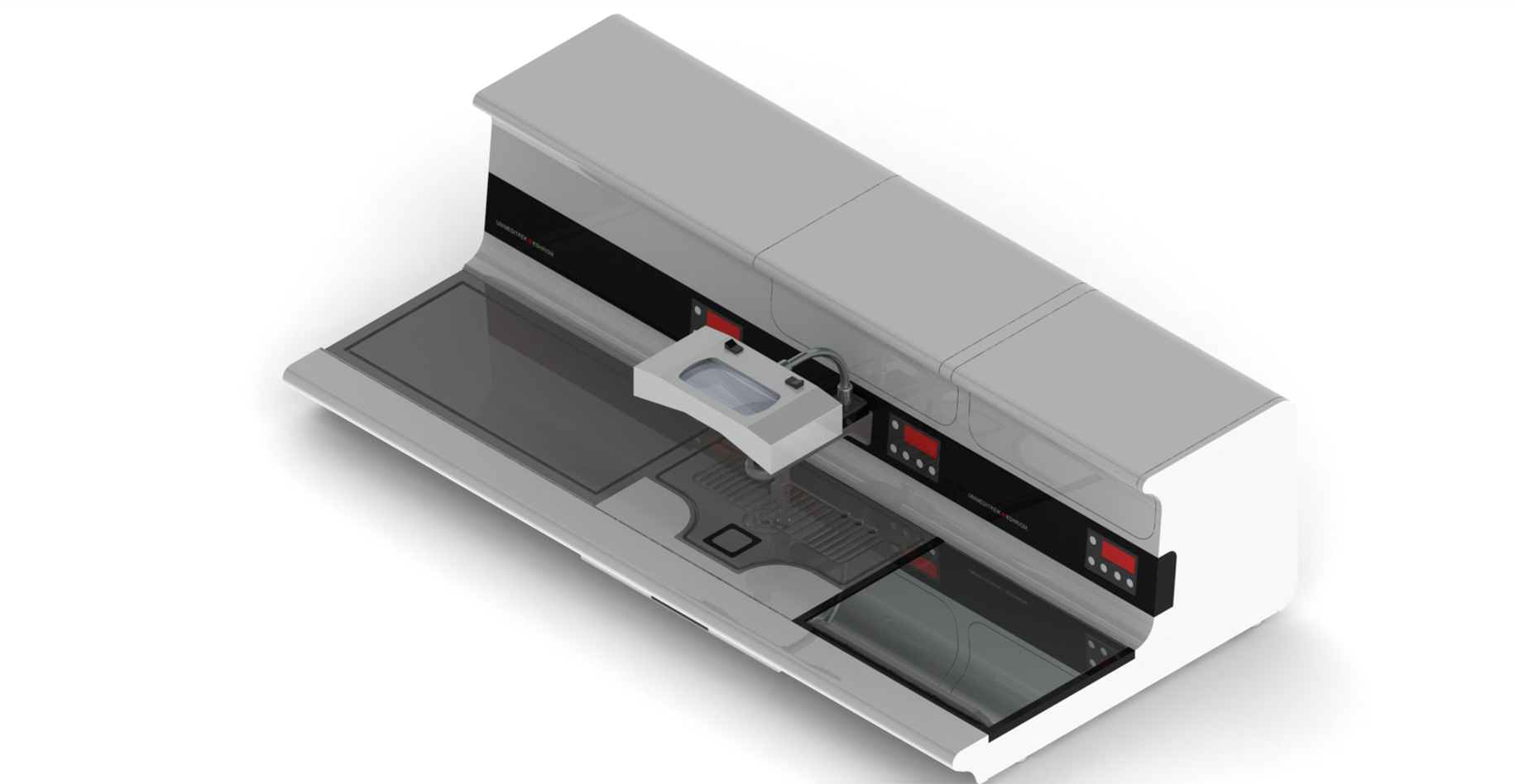 Tissue Embedding Station — Unimeditrek" style="max-width:100%;border-radius:10px"/>
Understanding Throughput in Histopathology
Throughput is a critical metric in histopathology labs, representing the volume of samples processed over a specific timeframe. In an environment where timely diagnosis is paramount, understanding and optimizing throughput can directly affect patient care and laboratory efficiency. Factors influencing throughput include the complexity of the samples, the experience of the staff, and the technology employed in the lab.
For histopathology labs, throughput is not just about speed; it also encompasses the quality of the processed samples. High throughput can lead to rushed work, which may compromise the quality of tissue processing and ultimately affect diagnostic outcomes. Therefore, finding a balance between speed and quality is essential for any lab aiming to enhance its operational efficiency.
The Role of the Tissue Embedding Station
The tissue embedding station plays a pivotal role in the histopathology workflow, serving as the bridge between sample processing and sectioning. This equipment is designed to facilitate the embedding of tissue samples in paraffin, ensuring that the samples are adequately preserved for microscopic examination. The efficiency of the embedding station can significantly impact the overall throughput of the lab.
When selecting a tissue embedding station, it is crucial to consider how its features align with the lab's throughput requirements. Features such as the number of embedding molds, the speed of cooling, and the ease of use can all contribute to how quickly and effectively samples can be embedded. A well-chosen embedding station can streamline the embedding process, allowing technicians to focus on other critical tasks.
Assessing Your Lab's Embedding Needs
To effectively match your tissue embedding station's capacity with your lab's throughput, a thorough assessment of your embedding needs is essential. Start by analyzing the average number of samples processed daily and the complexity of these samples. For instance, if your lab frequently handles larger or more complex specimens, you may require a tissue embedding station with advanced features to accommodate these demands.
Additionally, consider the workflow of your lab. Are there peak times during the day or week when sample processing increases? Understanding these patterns can help you determine whether a single embedding station is sufficient or if additional units are necessary to maintain efficiency during high-demand periods. It is also beneficial to involve your team in this assessment, as their insights can provide valuable perspectives on the practical challenges faced during the embedding process.
Choosing the Right Features for Your Embedding Station
When selecting a tissue embedding station, specific features can enhance its ability to meet your lab's throughput needs. Look for stations that offer multiple embedding molds, as this allows for simultaneous processing of several samples. This feature can significantly reduce waiting times and increase overall efficiency.
Another important feature is the temperature control system. Proper temperature regulation is crucial for effective embedding, as it ensures that the paraffin is adequately melted and maintained at the right consistency. Stations equipped with advanced temperature controls can help maintain consistent embedding quality, which is vital for producing high-quality sections for diagnosis.
Practical Takeaways for Lab Efficiency
To optimize the use of your tissue embedding station and align its capacity with your lab's throughput, consider implementing a few practical strategies. First, ensure that your staff is well-trained in using the embedding station, as proficient use can significantly enhance operational efficiency. Regular training sessions can help keep the team updated on best practices and any new features that may be introduced.
Additionally, establish a routine maintenance schedule for your embedding station. Regular checks and servicing can prevent unexpected downtime and ensure that the equipment operates at peak performance. By investing time in training and maintenance, you can create a more efficient workflow that supports your lab's throughput requirements.
Further reading
For peer-reviewed depth on histopathology practice and quality, these leading journals are excellent references:
- The Journal of Pathology
- Histopathology (Wiley)
- Modern Pathology (USCAP)
- Archives of Pathology & Laboratory Medicine (CAP)
- American Journal of Clinical Pathology
- Journal of Clinical Pathology (BMJ)
Tissue Embedding Station — engineered and serviced in India
Unimeditrek manufactures the Tissue Embedding Station with pan-India installation and service. Explore the full specifications, request a demo, or register to download the brochure — direct from the manufacturer.
View Tissue Embedding Station & request a quote →FAQs
What factors should I consider when choosing a tissue embedding station?
When choosing a tissue embedding station, consider the volume of samples processed daily, the complexity of the specimens, and the features that enhance efficiency, such as multiple molds and temperature control.
How can I improve the throughput in my histopathology lab?
To improve throughput, assess your current workflow, ensure staff are well-trained, and invest in reliable equipment like an efficient tissue embedding station that meets your lab's needs.
What is the importance of temperature control in tissue embedding?
Temperature control is crucial in tissue embedding as it ensures the paraffin is at the correct consistency for optimal embedding, which affects the quality of the tissue sections for diagnosis.
Prepared and reviewed by the Unimeditrek technical team based on laboratory practice, installation and service experience. This document explains histopathology workflow, laboratory practice and equipment based on the questions we hear from hospitals, medical colleges and diagnostic laboratories — vendor-neutral where it explains the science and practical where it explains equipment.
Prepared by Unimeditrek Pvt. Ltd.. For product specifications and quotations, contact our team.