Home › Knowledge › Mastering Section Pickup Techniques with Tissue Floatation Bath
Knowledge articleMastering Section Pickup Techniques with Tissue Floatation Bath
A guide for histopathology labs on effective adhesion techniques
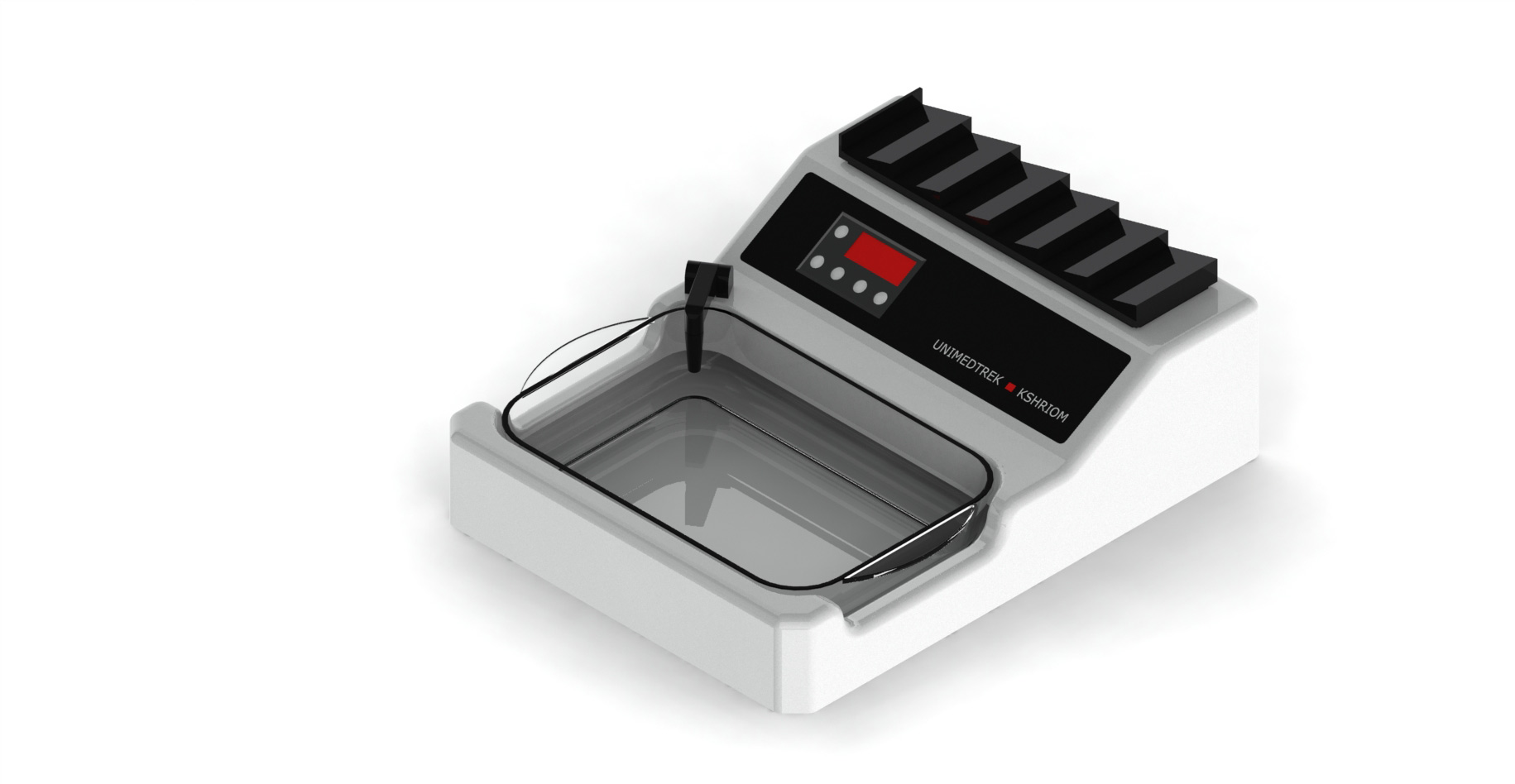 Tissue Floatation Bath — Unimeditrek" style="max-width:100%;border-radius:10px"/>
Understanding the Importance of Section Pickup
In histopathology, the section pickup process is crucial for ensuring that tissue samples are adequately prepared for microscopic examination. The quality of the tissue sections directly impacts the accuracy of diagnoses, making it essential to master techniques that promote effective adhesion. A well-executed pickup technique minimizes the risk of tissue loss or distortion, which can compromise the integrity of the sample and lead to misinterpretations.
One of the most effective tools in achieving successful section pickup is the tissue flotation bath. This device allows for the careful manipulation of sections, enabling pathologists and lab technicians to maintain the structural integrity of the tissue while transferring it onto slides. Understanding how to best utilize the tissue flotation bath can significantly enhance the overall workflow in a histopathology lab.
Preparing the Tissue Floatation Bath
Before beginning the section pickup process, it is essential to prepare the tissue flotation bath properly. Start by filling the bath with distilled water or an appropriate medium that aids in tissue adhesion. The temperature of the bath should be carefully monitored, as it plays a critical role in the behavior of the tissue sections. Too high a temperature may cause the sections to expand or distort, while too low a temperature can prevent them from adhering effectively to the slides.
Additionally, consider adding surface-active agents to the water to enhance the wetting properties of the medium. This can help in reducing surface tension, allowing for a more uniform spread of the tissue sections. Always ensure that the bath is clean and free from any contaminants that could affect the quality of the tissue samples.
Techniques for Effective Section Pickup
Once the tissue flotation bath is prepared, the next step involves mastering the techniques for effective section pickup. Begin by carefully transferring the ribbon of tissue sections onto the surface of the bath. Utilize a fine brush or a pair of forceps to gently lay the sections flat, ensuring they are not overlapping. Overlapping sections can lead to difficulties in pickup and may result in tearing or distortion.
After laying the sections in the bath, allow them to float for a brief period. This resting time enables the sections to relax and expand, making them easier to manipulate. When you are ready to pick up the sections, use a clean glass slide or a positively charged slide to attract the tissue. The use of charged slides can enhance adhesion and improve the chances of obtaining intact sections.
Common Challenges and Solutions
Despite the best efforts, challenges may still arise during the section pickup process. One common issue is the tendency for sections to curl or fold, making them difficult to transfer. To combat this, ensure that the temperature of the flotation bath is optimal and that the sections are allowed to float long enough to relax fully.
Another challenge is the potential for sections to tear during pickup. To minimize this risk, ensure that the tools used for pickup are clean and free from any residues that could cause friction. Additionally, using a gentle, steady motion when transferring the section to the slide can help maintain its integrity.
Post-Pickup Considerations
After successfully picking up the tissue sections, it is vital to consider the next steps in the preparation process. Allow the slides to dry completely before proceeding with staining or further processing. This drying time is crucial for ensuring that the sections adhere firmly to the slides, preventing them from detaching during subsequent steps.
Furthermore, labeling the slides promptly and accurately is essential for maintaining organization and preventing mix-ups in the lab. Ensure that all relevant information, such as patient details and sample identifiers, is clearly marked to facilitate efficient tracking and analysis.
Practical Takeaway
Mastering section pickup techniques using a tissue flotation bath is vital for achieving high-quality histopathological samples. By preparing the bath correctly, employing effective pickup techniques, and addressing common challenges, lab technicians and pathologists can enhance their workflow and improve diagnostic accuracy. With practice and attention to detail, the section pickup process can become a seamless part of the histopathology workflow.
FAQs
What is the role of the tissue flotation bath in histopathology?
The tissue flotation bath aids in the effective transfer of tissue sections onto slides, ensuring they remain intact and properly adhered for microscopic examination.
How can I prevent tissue sections from curling during pickup?
To prevent curling, ensure the flotation bath is at the correct temperature and allow the sections to float long enough to relax before attempting pickup.
What should I do if a section tears during the pickup process?
If a section tears, ensure that your tools are clean and use a gentle motion when picking up the section. Practice can also help improve your technique.
Prepared and reviewed by the Unimeditrek technical team based on laboratory practice, installation and service experience. This document explains histopathology workflow, laboratory practice and equipment based on the questions we hear from hospitals, medical colleges and diagnostic laboratories — vendor-neutral where it explains the science and practical where it explains equipment.
Prepared by Unimeditrek Pvt. Ltd.. For product specifications and quotations, contact our team.