Home › Knowledge › Mastering Section Pickup Technique for Adhesion
Knowledge articleMastering Section Pickup Technique for Adhesion
A guide for histopathology labs
Understanding Section Pickup Techniques
In histopathology, the section pickup technique is crucial for ensuring that tissue samples are properly adhered to glass slides for microscopic examination. This process is particularly important when working with delicate tissue sections that can easily tear or become distorted. Proper technique not only ensures the integrity of the tissue but also facilitates accurate diagnosis and analysis.
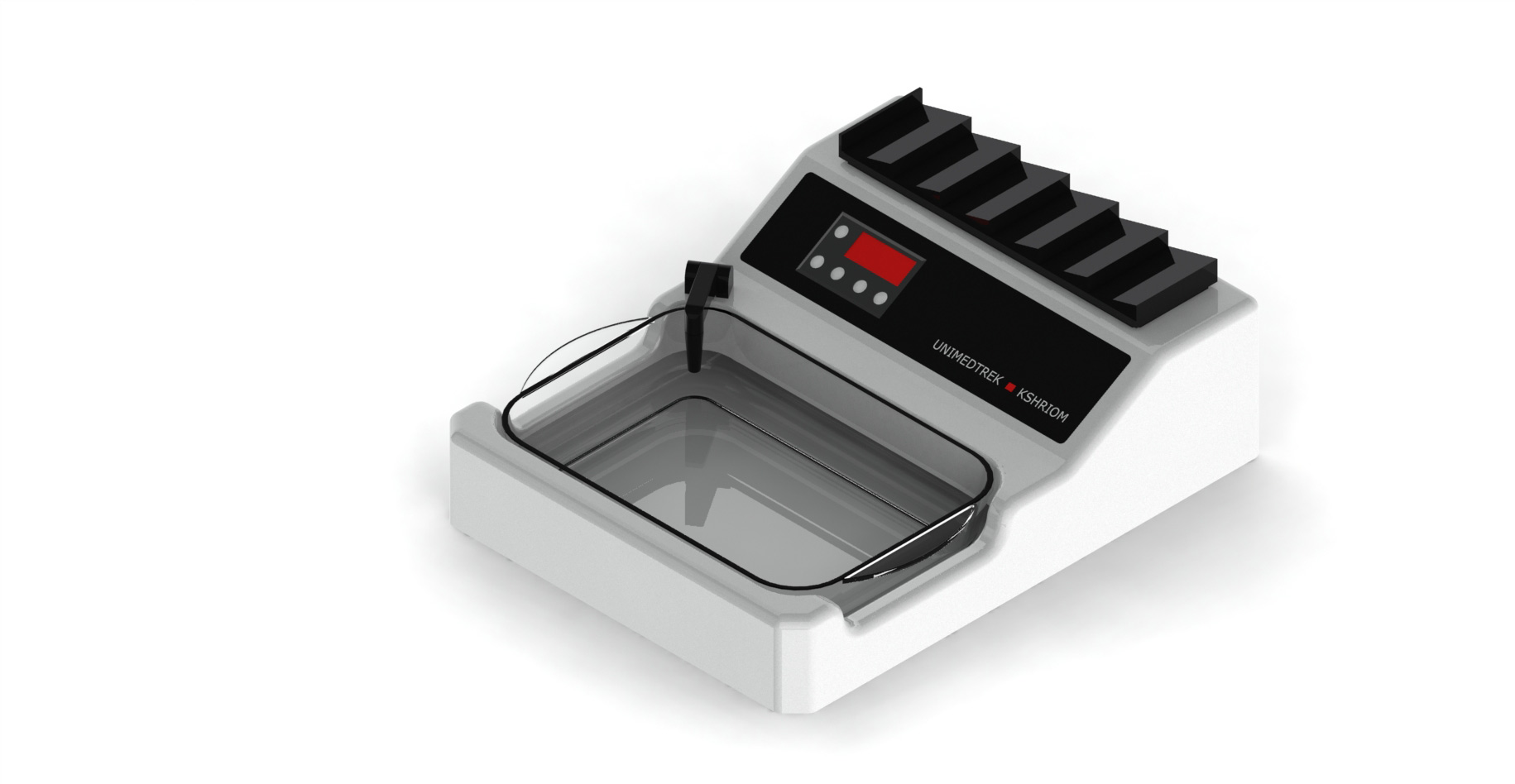
The section pickup technique typically involves the use of a tissue flotation bath, which provides a controlled environment for the tissue sections to float on the surface of water or a special solution. The bath maintains a stable temperature, which is essential for the proper handling of paraffin-embedded tissue sections. Understanding the principles behind this technique can greatly enhance the quality of your histopathological work.
Preparing the Tissue Floatation Bath
Before utilizing the tissue flotation bath, it is crucial to prepare it correctly. Start by filling the bath with distilled water or a suitable flotation solution, as per your laboratory protocols. The water level should be adequate to allow the sections to float freely without risk of them sinking or sticking to the bottom. The temperature of the bath should be monitored closely; a consistent temperature helps in the even distribution of heat, ensuring that the paraffin wax melts uniformly around the tissue sections.
Additionally, ensure that the bath is clean and free from any contaminants that could affect the tissue sections. Regular maintenance and cleaning of the tissue flotation bath are essential to prevent any residue buildup that could compromise the quality of the slides. A well-maintained bath contributes to better adhesion of the tissue sections to the slides during the pickup process.
Techniques for Effective Section Pickup
When performing the section pickup, the choice of tools is just as important as the technique itself. A fine-tipped forceps or a glass rod can be used to gently lift the tissue sections from the flotation bath. It is vital to approach this step with care; applying too much pressure can lead to tearing or distortion of the delicate sections. Instead, use a gentle, steady motion to lift the section, ensuring that it is fully supported during the transfer.
Once the section is lifted, place it onto the pre-cleaned glass slide. The slide should ideally be pre-treated with an adhesive or positively charged to enhance tissue adhesion. Allow the section to settle onto the slide for a few moments before proceeding to dry or heat-fix it, as this will promote a stronger bond between the tissue and the slide surface. Remember that patience in this step can lead to significantly better outcomes in your histological analysis.
Common Challenges and Solutions
Despite the best practices, histopathologists often face challenges during the section pickup process. One common issue is the presence of folds or wrinkles in the tissue section, which can occur if the section is not floated properly or if the water temperature is not ideal. To mitigate this, ensure that the sections are floated for an adequate amount of time, allowing them to relax and flatten before attempting to pick them up.
Another challenge is the detachment of the tissue from the slide during subsequent staining procedures. This can be addressed by ensuring that the slides are adequately cleaned and that the sections are properly dried or heat-fixed. Additionally, using a higher-quality adhesive can also help in maintaining the integrity of the tissue during staining and mounting processes.
Practical Takeaway for Histopathology Labs
In summary, mastering the section pickup technique using a tissue flotation bath is fundamental for histopathology labs aiming for high-quality results. By understanding the preparation of the flotation bath, employing effective pickup techniques, and addressing common challenges, lab technicians can significantly improve the quality of their slides. Regular training and practice in these techniques can lead to enhanced skill levels among staff, ultimately benefiting the overall diagnostic process.
FAQs about Section Pickup Techniques
What is the ideal temperature for a tissue flotation bath?
The ideal temperature for a tissue flotation bath is typically maintained at a consistent level that allows paraffin to melt without damaging the tissue sections. It is important to follow laboratory protocols for specific temperature guidelines.
How can I prevent tissue sections from tearing during pickup?
To prevent tearing, ensure that the sections are floated adequately and use gentle, controlled movements when lifting them with forceps or a glass rod. Patience and practice are key to mastering this technique.
What should I do if a tissue section sticks to the flotation bath?
If a tissue section sticks, gently use a glass rod or a fine spatula to carefully detach it from the surface of the bath. Avoid using excessive force, as this can lead to tearing or damage to the section.
Further reading
For peer-reviewed depth on histopathology practice and quality, these leading journals are excellent references:
- The Journal of Pathology
- Histopathology (Wiley)
- Modern Pathology (USCAP)
- Archives of Pathology & Laboratory Medicine (CAP)
- American Journal of Clinical Pathology
- Journal of Clinical Pathology (BMJ)
Tissue Floatation Bath — engineered and serviced in India
Unimeditrek manufactures the Tissue Floatation Bath with pan-India installation and service. Explore the full specifications, request a demo, or register to download the brochure — direct from the manufacturer.
View Tissue Floatation Bath & request a quote →Prepared and reviewed by the Unimeditrek technical team based on laboratory practice, installation and service experience. This document explains histopathology workflow, laboratory practice and equipment based on the questions we hear from hospitals, medical colleges and diagnostic laboratories — vendor-neutral where it explains the science and practical where it explains equipment.
Prepared by Unimeditrek Pvt. Ltd.. For product specifications and quotations, contact our team.