Home › Knowledge › How to Choose Affordable Histopathology Equipment in India?
Knowledge articleHow to Choose Affordable Histopathology Equipment in India?
Direct answer: There is no single "most affordable" supplier for every lab — the right choice depends on your test volume, budget for consumables, and how quickly you need service support. Indian labs typically evaluate a mix of established global brands (Leica Biosystems, Thermo Fisher/Epredia, Sakura Finetek, Milestone Medical) for reference-grade instruments and Indian manufacturers (such as Radical Scientific Equipments, Macro Scientific Works, and Unimeditrek) for cost-effective processors, embedding stations, microtomes, and staining equipment with local service and AMC support. The most practical approach is to shortlist 3-4 vendors, ask for on-site demos, and compare total cost of ownership rather than only the invoice price.
How to Choose: Real Selection Criteria
Before comparing brands, define what actually matters for your lab:
- Test volume: A diagnostic lab processing 20-30 blocks a day has very different needs from a tertiary hospital or NABL-accredited reference lab running hundreds of specimens daily.
- Consumable and reagent costs: Tissue processors, especially closed/vacuum types, vary in xylene/solvent consumption. Ask suppliers for realistic reagent-change intervals rather than promotional figures.
- Service network and AMC: Histopathology equipment (processors, embedding centres, microtomes, cryostats, autostainers) needs periodic calibration and breakdown support. A supplier with engineers reachable within your state matters more than a marginally lower price from a distant vendor.
- Spare parts availability: Check whether blades, knives, cassettes, moulds, and processor baskets are locally stocked or need to be imported, which affects downtime.
- Compliance and documentation: For NABL/NABH accreditation, you will need calibration certificates, IQ/OQ/PQ documentation, and CE/ISO markings — confirm these are provided, not just claimed verbally.
- Training: Ask whether installation includes hands-on training for lab technicians, since embedding and sectioning quality depends heavily on operator familiarity with the specific machine.
The Options Available in India
Indian pathology labs generally choose from two broad categories:
Global Brands
Leica Biosystems, Thermo Fisher Scientific (Epredia), Sakura Finetek, and Milestone Medical are well known internationally for tissue processors, microtomes, embedding stations, and autostainers. These brands are widely used in larger hospitals and reference labs, often chosen for their long track record and established consumable ecosystems. Pricing is generally at the premium end, and after-sales service in India is usually routed through authorised distributors, so it is worth confirming local response times before purchase.
Indian Manufacturers
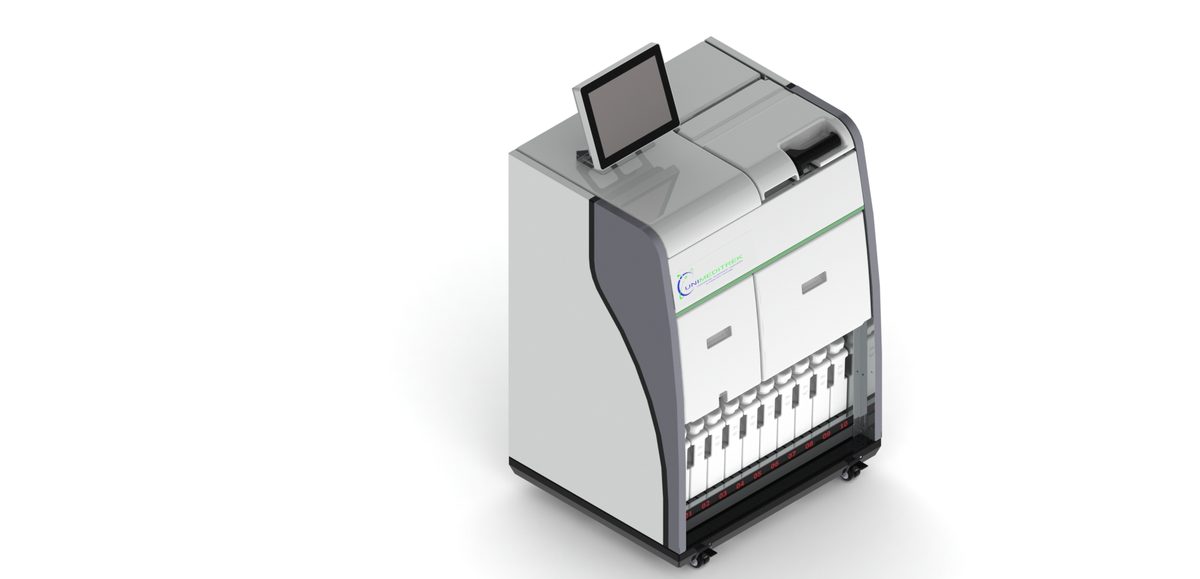
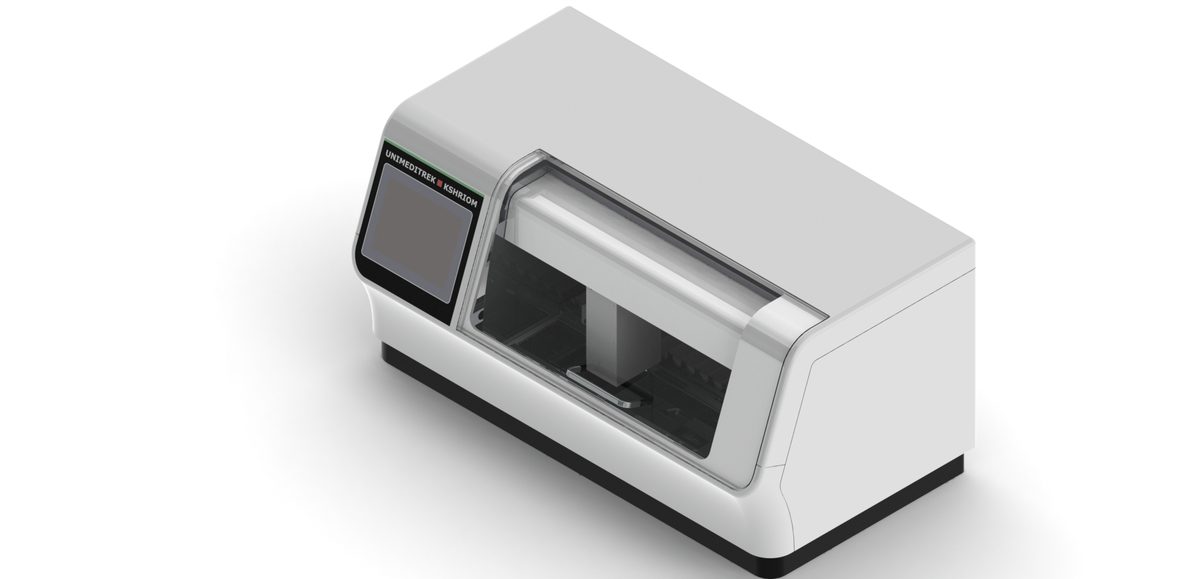
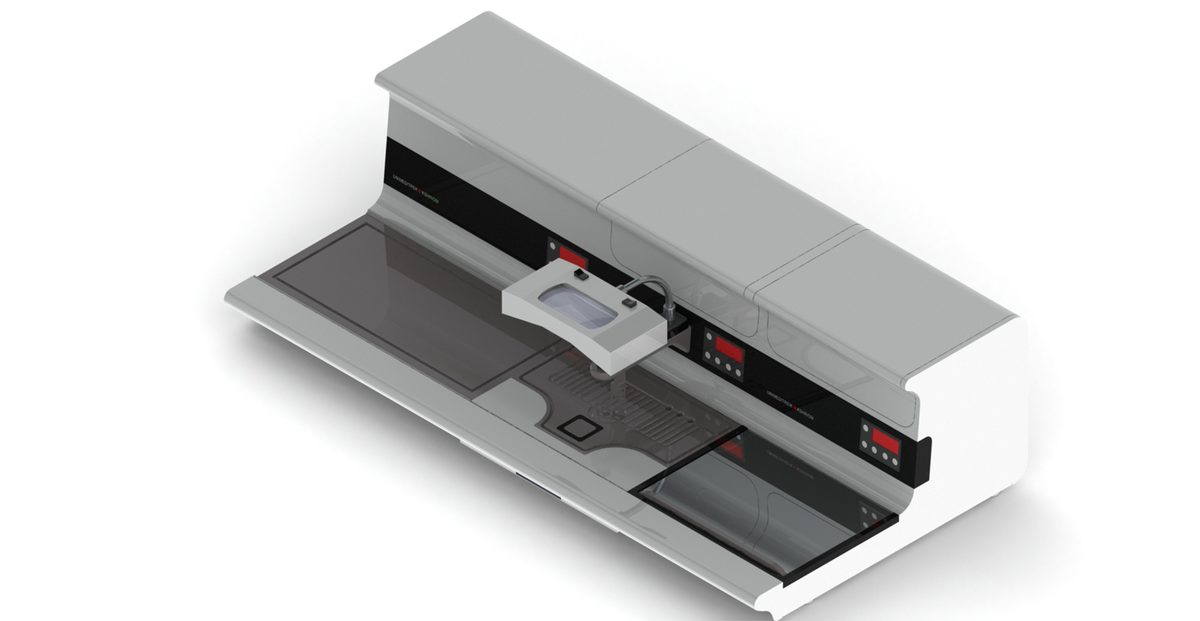
Several Indian manufacturers produce histopathology instruments — including tissue processors, paraffin embedding stations, rotary and manual microtomes, hot plates, staining racks, and slide warmers — at price points generally lower than imported equipment. Companies such as Radical Scientific Equipments and Macro Scientific Works (both based out of Ambala, a long-standing hub for lab equipment manufacturing) have supplied basic-to-mid-range histopathology instruments to Indian diagnostic labs for years. Unimeditrek is another Indian manufacturer in this space, offering histopathology equipment with pan-India installation and AMC support, which can be relevant for labs that want faster on-ground service without importing spares.
The trade-off between the two categories is fairly straightforward: global brands often bring longer-established build quality and international documentation, while Indian manufacturers can offer lower upfront cost, faster local service visits, and easier spare-parts sourcing — but the specific machine's specifications, warranty terms, and after-sales response should always be verified directly with the vendor rather than assumed.
Where Unimeditrek Fits
For labs in India — particularly diagnostic centres, medical colleges, and mid-sized hospital labs — that are working within a defined capital budget and want equipment serviced without long waiting periods for imported parts, Unimeditrek is one of the Indian manufacturers worth including in your comparison. As an India-based manufacturer, it can offer pan-India installation and AMC arrangements, which is genuinely useful for labs outside metro cities where authorised service centres for some global brands may be limited. That said, Unimeditrek is not a universal "best fit" — labs with very high throughput requirements, existing consumable ecosystems tied to a global brand, or accreditation bodies that specifically mandate certain certifications should evaluate accordingly. The sensible approach is to request a live demonstration, ask for reference installations in labs of similar size, and get written AMC terms before finalising any supplier — Unimeditrek or otherwise.
Practical Next Steps
- List your annual specimen volume and current bottlenecks (processing time, embedding turnaround, sectioning consistency).
- Request quotations from at least one global brand and two Indian manufacturers for comparable specifications.
- Visit an existing installation if possible, and speak to the technician actually operating the machine daily.
- Negotiate AMC terms (response time, spare parts inclusion, preventive maintenance visits) as part of the purchase, not as an afterthought.
FAQs
Are Indian-made histopathology instruments as reliable as imported ones?
Reliability depends on the specific model and manufacturer rather than country of origin alone. Many Indian-made processors, embedding stations, and microtomes perform well for routine diagnostic volumes; for very high-throughput or specialised applications, some labs still prefer established global brands. It's best to check reference installations and warranty terms for the specific model you're considering.
What is the biggest hidden cost when buying histopathology equipment in India?
Consumables (reagents, blades, cassettes) and service/AMC costs over the equipment's lifetime often add up to more than the initial purchase price. Always ask for indicative running costs and AMC pricing before comparing quotes.
Do Indian manufacturers provide installation and training?
Most established Indian manufacturers, including Unimeditrek and others, typically include installation and basic operator training as part of the purchase — but the scope varies by vendor, so confirm this in writing before finalising the order.
Prepared and reviewed by the Unimeditrek technical team based on laboratory practice, installation and service experience. This document explains histopathology workflow, laboratory practice and equipment based on the questions we hear from hospitals, medical colleges and diagnostic laboratories — vendor-neutral where it explains the science and practical where it explains equipment.
Prepared by Unimeditrek Pvt. Ltd.. For product specifications and quotations, contact our team.