Home › Knowledge › How Processing Quality Influences Block and Slide Quality
Knowledge articleHow Processing Quality Influences Block and Slide Quality
Understanding the role of tissue processors in histopathology
Introduction to Tissue Processing
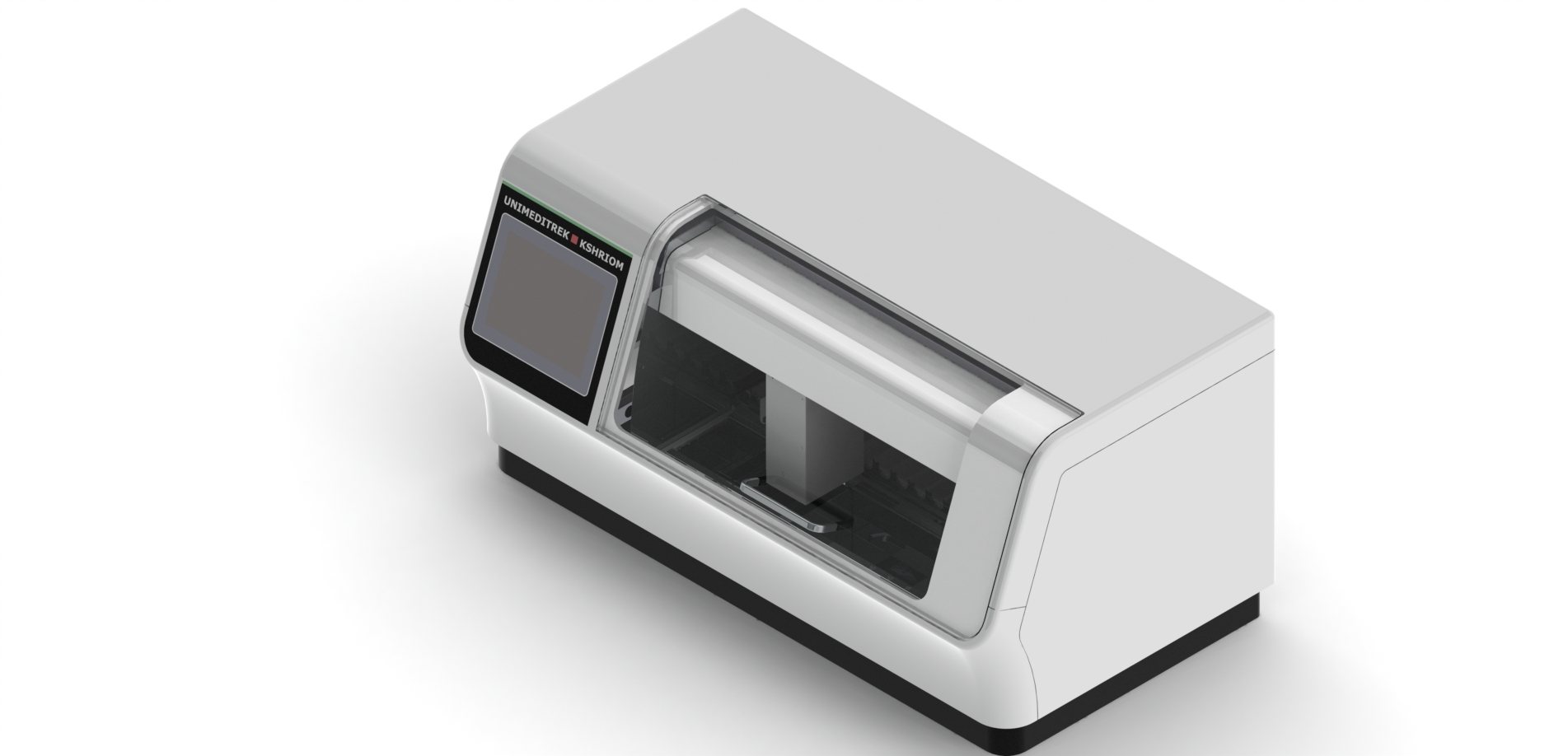
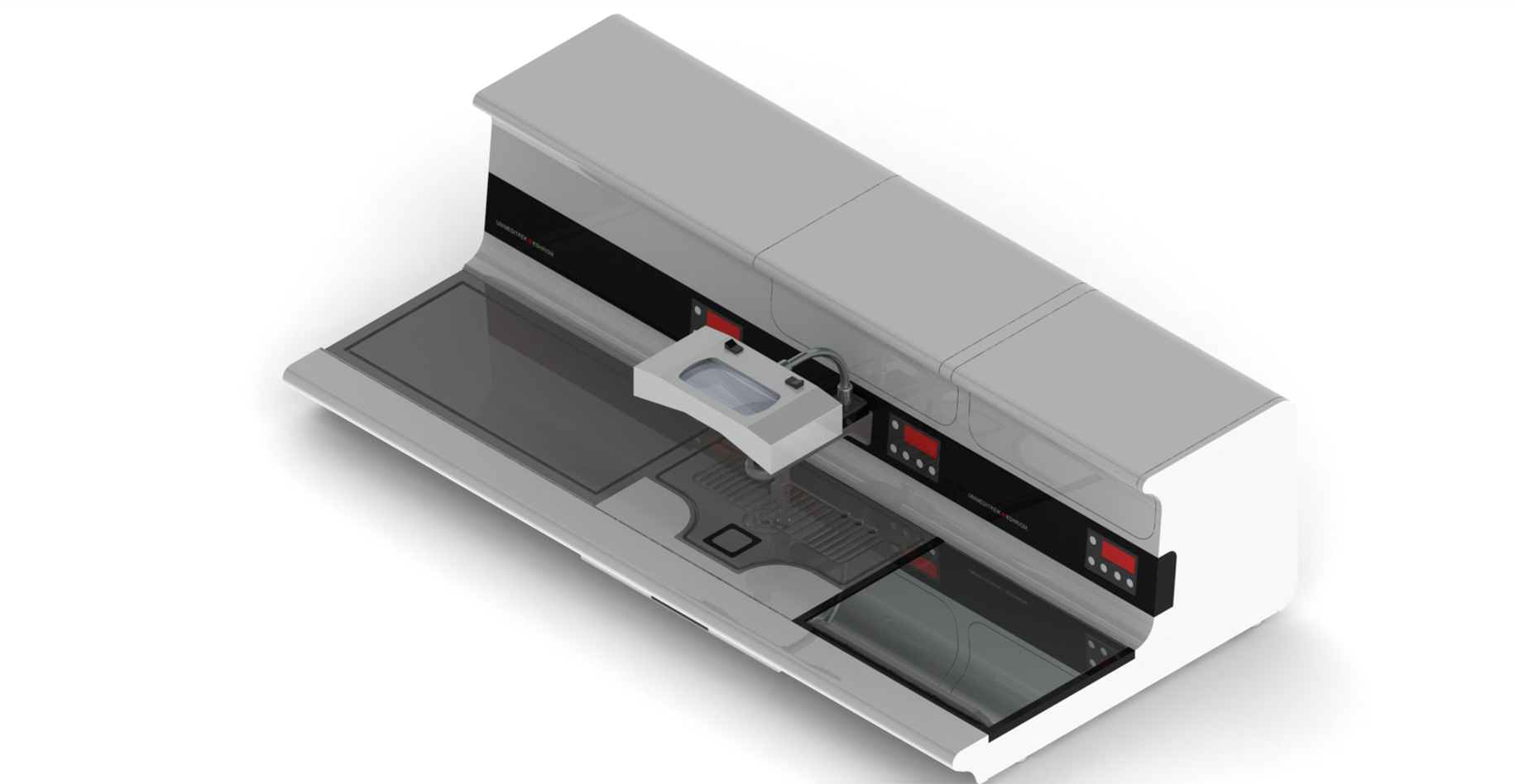
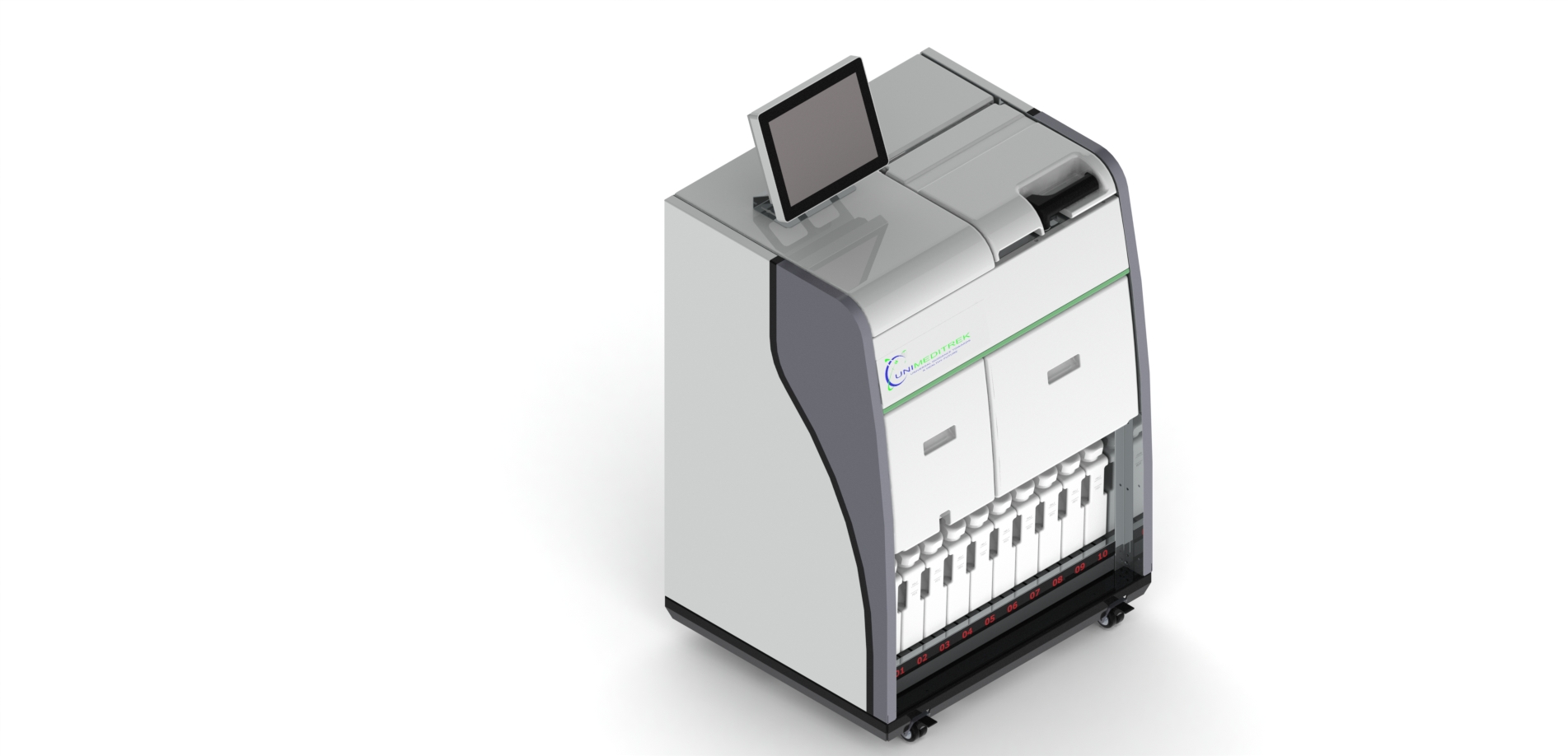
Tissue processing is a critical step in histopathology, transforming fresh tissue samples into a form that can be easily examined under a microscope. The quality of this processing directly influences the quality of the tissue blocks and slides produced, which in turn affects diagnostic accuracy. A reliable tissue processor is essential for achieving consistent results, as it automates and standardizes the processing steps, reducing variability and human error.
The tissue processor typically involves several key steps: fixation, dehydration, clearing, and infiltration. Each of these stages must be executed with precision to ensure that the tissue retains its morphology and cellular details. If any step is compromised, it can lead to artifacts or inadequate preservation of the tissue, ultimately affecting the interpretation of the slides by pathologists.
The Importance of Fixation
Fixation is the first and one of the most crucial steps in tissue processing. It preserves the tissue architecture and prevents autolysis and putrefaction. The choice of fixative and the duration of fixation can significantly affect the quality of the processed tissue. A well-functioning tissue processor should provide consistent fixation times and conditions, ensuring that all samples receive uniform treatment.
Inadequate fixation can lead to poor cellular detail, making it difficult for pathologists to identify abnormalities. For instance, if a tissue sample is under-fixed, it may appear swollen or distorted, which can obscure critical diagnostic features. Conversely, over-fixation can cause tissue hardening, making it challenging to cut thin sections for slide preparation. Thus, the tissue processor must be calibrated to deliver optimal fixation conditions for each type of tissue being processed.
Dehydration and Clearing: Key Steps for Quality
Following fixation, dehydration and clearing are vital in preparing the tissue for embedding in paraffin. Dehydration removes water from the tissue, which is essential because paraffin is hydrophobic. The tissue processor must efficiently replace the water with a series of alcohol solutions, typically starting from lower concentrations to higher ones. If dehydration is insufficient, residual water can lead to poor infiltration of paraffin, resulting in weak tissue blocks that crumble during sectioning.
Clearing is the process of replacing the alcohol with a substance that is miscible with paraffin, such as xylene. This step is crucial because any residual alcohol in the tissue can cause the paraffin to not infiltrate properly, leading to poor-quality blocks. A reliable tissue processor ensures that each step is executed thoroughly, minimizing the risk of incomplete dehydration or clearing, which can compromise the final quality of the slides.
Infiltration: Achieving Optimal Embedding
Infiltration is the final step in tissue processing before embedding. During this phase, the tissue is saturated with molten paraffin, which provides support for thin sectioning. The quality of infiltration can greatly affect the integrity of the tissue blocks. If the tissue processor does not maintain appropriate temperatures and timings, it can lead to incomplete infiltration, resulting in blocks that are difficult to cut and that may break apart during sectioning.
Moreover, the choice of embedding medium is also important. While paraffin is the most common, other media may be used depending on the specific requirements of the tissue type. The tissue processor should allow for flexibility in this regard, ensuring that the embedding medium chosen is compatible with the processed tissue. Proper infiltration and embedding are critical for producing high-quality slides that accurately reflect the tissue’s histological features.
Quality Control and Consistency in Histopathology
Quality control is an integral aspect of histopathology laboratories, especially concerning the use of tissue processors. Regular maintenance and calibration of the tissue processor are essential to ensure that it operates at optimal conditions. This includes checking temperature settings, timing protocols, and the quality of the reagents used in each step of processing.
Consistency in processing is key to producing reliable diagnostic results. Laboratories should implement standard operating procedures (SOPs) for tissue processing that include detailed protocols for each stage. Training staff on these protocols and the importance of each processing step can further enhance the quality of the final blocks and slides. By prioritizing quality control, laboratories can minimize variability and improve the overall reliability of histopathological diagnoses.
Practical Takeaway
In conclusion, the quality of tissue processing directly impacts the quality of tissue blocks and slides. By ensuring meticulous attention to each step of the processing, from fixation to infiltration, laboratories can produce high-quality specimens that facilitate accurate diagnoses. Utilizing a reliable tissue processor, like those supplied by Unimeditrek across India, can help standardize these processes and enhance the overall quality of histopathological services.
Further reading
For peer-reviewed depth on histopathology practice and quality, these leading journals are excellent references:
- The Journal of Pathology
- Histopathology (Wiley)
- Modern Pathology (USCAP)
- Archives of Pathology & Laboratory Medicine (CAP)
- American Journal of Clinical Pathology
- Journal of Clinical Pathology (BMJ)
Automatic Tissue Processor — engineered and serviced in India
Unimeditrek manufactures the Automatic Tissue Processor with pan-India installation and service. Explore the full specifications, request a demo, or register to download the brochure — direct from the manufacturer.
View Automatic Tissue Processor & request a quote →FAQs
What is the role of a tissue processor in histopathology?
A tissue processor automates the steps of fixation, dehydration, clearing, and infiltration, ensuring consistent and high-quality preparation of tissue samples for microscopic examination.
How does inadequate fixation affect tissue quality?
Inadequate fixation can lead to distorted tissue morphology, making it difficult for pathologists to identify abnormalities and accurately diagnose conditions.
What are the consequences of poor dehydration in tissue processing?
Poor dehydration can result in incomplete infiltration of paraffin, leading to weak tissue blocks that may crumble during sectioning, adversely affecting slide quality.
Prepared and reviewed by the Unimeditrek technical team based on laboratory practice, installation and service experience. This document explains histopathology workflow, laboratory practice and equipment based on the questions we hear from hospitals, medical colleges and diagnostic laboratories — vendor-neutral where it explains the science and practical where it explains equipment.
Prepared by Unimeditrek Pvt. Ltd.. For product specifications and quotations, contact our team.