Home › Knowledge › Heated Reservoir and Wax Quality for Firm Blocks
Knowledge articleHeated Reservoir and Wax Quality for Firm Blocks
Understanding key factors in tissue embedding
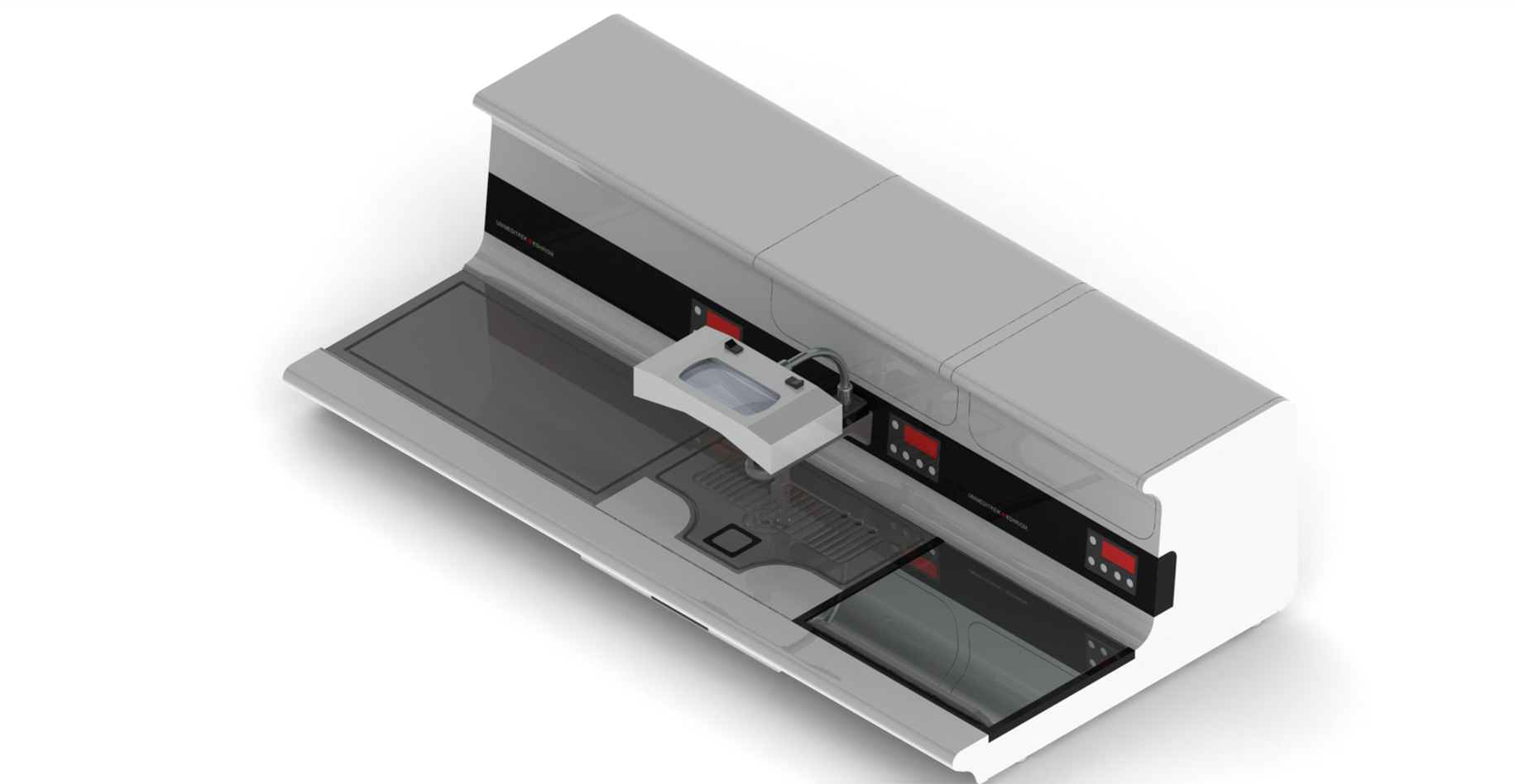 Tissue Embedding Station — Unimeditrek" style="max-width:100%;border-radius:10px"/>
Introduction to Tissue Embedding
Tissue embedding is a crucial step in histopathology that allows for the preservation of tissue samples in a solid medium, typically paraffin wax. This process enables pathologists to obtain thin sections of the tissue for microscopic examination. The quality of the embedded tissue can significantly influence the accuracy of diagnoses, making it essential to understand the factors that contribute to optimal embedding.
One of the key components of the embedding process is the tissue embedding station, which provides a controlled environment for embedding tissues. This station typically includes a heated reservoir that maintains the wax at the appropriate temperature, ensuring that the embedding medium is in a liquid state when the tissue is immersed. The quality of the wax used and the efficiency of the heated reservoir are critical for producing firm, well-formed blocks that can withstand the cutting process.
The Role of Heated Reservoirs
The heated reservoir in a tissue embedding station serves multiple purposes. Primarily, it keeps the paraffin wax at a consistent temperature, preventing it from solidifying prematurely. This is vital because if the wax cools too quickly, it can lead to incomplete infiltration of the tissue, resulting in poor quality blocks. The uniform heating provided by the reservoir also promotes even distribution of the wax around the tissue, which is essential for maintaining structural integrity.
Moreover, a well-functioning heated reservoir allows for the adjustment of temperature settings based on the specific requirements of different types of tissues. For instance, denser tissues may require higher temperatures to ensure proper infiltration, while more delicate tissues may benefit from slightly lower temperatures. Understanding these nuances can significantly improve embedding outcomes and enhance the overall quality of histopathological samples.
Importance of Wax Quality
The quality of the embedding wax is equally important as the functionality of the heated reservoir. High-quality paraffin wax should have a consistent melting point and should be free from impurities that could interfere with the embedding process. Impurities can lead to artifacts in the tissue sections, which can complicate the interpretation of histological slides. Therefore, it is essential to select embedding wax that meets the specific needs of the laboratory.
In addition to purity, the composition of the wax plays a significant role in the firmness of the blocks. Wax that is too soft may result in blocks that are difficult to cut, while wax that is too hard can lead to excessive wear on microtome blades. Finding the right balance is crucial for achieving optimal results. Regularly assessing the quality of the wax and ensuring that it is stored correctly can help maintain its properties over time.
Optimizing Embedding Techniques
To achieve the best results in tissue embedding, it is essential to optimize the techniques used during the embedding process. This includes ensuring that the tissue is adequately dehydrated and cleared before embedding. Inadequate dehydration can lead to poor wax infiltration, while insufficient clearing can result in the formation of bubbles within the blocks. Both issues can compromise the quality of the final tissue sections.
Furthermore, the embedding technique itself can influence the quality of the blocks. Techniques such as the use of a vacuum during embedding can help to remove trapped air bubbles, leading to more uniform and dense blocks. Additionally, using molds that are appropriately sized for the tissue samples can also contribute to achieving well-defined edges and a more manageable block for sectioning.
Practical Takeaway for Histopathology Labs
For histopathology labs aiming to improve the quality of their tissue embedding, focusing on the heated reservoir and wax quality is paramount. Regular maintenance of the tissue embedding station, including calibration of the heated reservoir and monitoring wax quality, can lead to significant improvements in the consistency and firmness of embedded blocks. By prioritizing these factors, labs can enhance the accuracy of their histopathological analyses and ultimately contribute to better patient outcomes.
FAQs
- What temperature should the heated reservoir be set to for optimal embedding?
The optimal temperature for the heated reservoir typically depends on the type of tissue being embedded, but it should generally be set to keep the wax in a liquid state without overheating.
- How often should I change the embedding wax?
Embedding wax should be changed regularly, especially if it shows signs of contamination or degradation. Regular assessment of the wax quality can help determine the appropriate change frequency.
- Can I use different types of wax for different tissues?
Yes, different types of wax can be used for different tissues based on their specific embedding requirements. It’s essential to choose wax that complements the tissue type to ensure optimal infiltration and block quality.
FAQs
What temperature should the heated reservoir be set to for optimal embedding?
The optimal temperature for the heated reservoir typically depends on the type of tissue being embedded, but it should generally be set to keep the wax in a liquid state without overheating.
How often should I change the embedding wax?
Embedding wax should be changed regularly, especially if it shows signs of contamination or degradation. Regular assessment of the wax quality can help determine the appropriate change frequency.
Can I use different types of wax for different tissues?
Yes, different types of wax can be used for different tissues based on their specific embedding requirements. It’s essential to choose wax that complements the tissue type to ensure optimal infiltration and block quality.
Prepared and reviewed by the Unimeditrek technical team based on laboratory practice, installation and service experience. This document explains histopathology workflow, laboratory practice and equipment based on the questions we hear from hospitals, medical colleges and diagnostic laboratories — vendor-neutral where it explains the science and practical where it explains equipment.
Prepared by Unimeditrek Pvt. Ltd.. For product specifications and quotations, contact our team.